How to Improve Creative Writing Skills for Kids? Best Tips & Tricks
reviewed by Janice S. Armas
Updated on December 21, 2025

What is creative writing for kids? A way to use imagination, express feelings, and just have fun? Often, it’s all at once. Read on to discover more about its benefits for kids and learn how to improve creative writing skills at home.
Key points
- Creative writing helps children build imagination, confidence, and language and communication skills.
- Kids’ creative learning skills can be developed via writing practice, extensive reading, and the right support from parents.
- Parents can help children improve by using prompts, worksheets, games, play-based activities, and offering positive feedback to make the process stress-free.
Why is creative writing important?
Creative writing is important because it fosters kids’ imagination, supports emotional expression, and makes them more curious about the world. Besides, the importance of creative writing lies in developing language and communication skills: a child learns vocabulary and grammar in a fun way and gains confidence to express themselves.
What are the other benefits of creative writing?
- It encourages critical thinking via exploration of topics and ideas.
- It helps to develop narrative and persuasive skills.
- It boosts writing skills, offering room to master revision and techniques to brainstorm ideas.
- Thanks to the use of stories, such writing positively affects the cultural awareness and empathy of children.
Is creative writing a talent or a skill?
Creative writing is more of a skill than a talent. In other words, it’s a muscle that kids can develop with practice and support. In the case of creative writing for kids, one can boost the skills by enhancing narrative structure, character development, literary tropes, and poetics.
However, we can’t deny that talent can significantly affect kids’ creative capabilities. For instance, kids may have a born talent for storytelling.
Will it help them with creative writing objectives? Sure, it will give a good head start. Yet, the use and understanding of creative writing rules concerning each creative writing type are more important.
What are the 7 types of creative writing?
- Poetry
- Fiction, like novels and short stories
- Creative non-fiction, including short stories, memoirs, and personal essays
- Diaries and journals or pieces of reflective writing
- Drama pieces that include plays and screenplays
- Speeches to entertain, inform, or persuade an audience
- Song lyrics
Note: A child can have great talent for storytelling or understanding feelings, but turning it into a good fiction story or a poem requires the skill of using story elements and poem structure.
How to help a child with creative writing: Top tips to know & use
- Work with a writing tutor
- Try writing worksheets for creative writing
- Encourage daily reading and storytelling
- Use creative writing prompts and games
- Resort to art and play
- Focus on ideas, not grammar
- Practice creative writing
Improve a child’s creative writing by working with a tutor
It’s no secret that working with a professional tutor is a powerful and effective way to help your kids boost their creative writing skills. A good tutor can easily identify gaps and strengths of a student and come up with strategies for developing creative writing for kids.
They can teach story structure, help expand vocabulary, or simply offer a model to try at home. There, personalized attention can support their confidence and ensure that learning is fun and not a chore.
Why choose Brighterly tutors?
Engaging lessons and strong support are crucial for kids’ motivation and creative confidence.
That’s why the Brighterly reading and writing platform may be an excellent solution to improve creative writing for kids. Mainly because it offers personalized lessons backed by feedback, reading practice, and tons of engaging experiences.
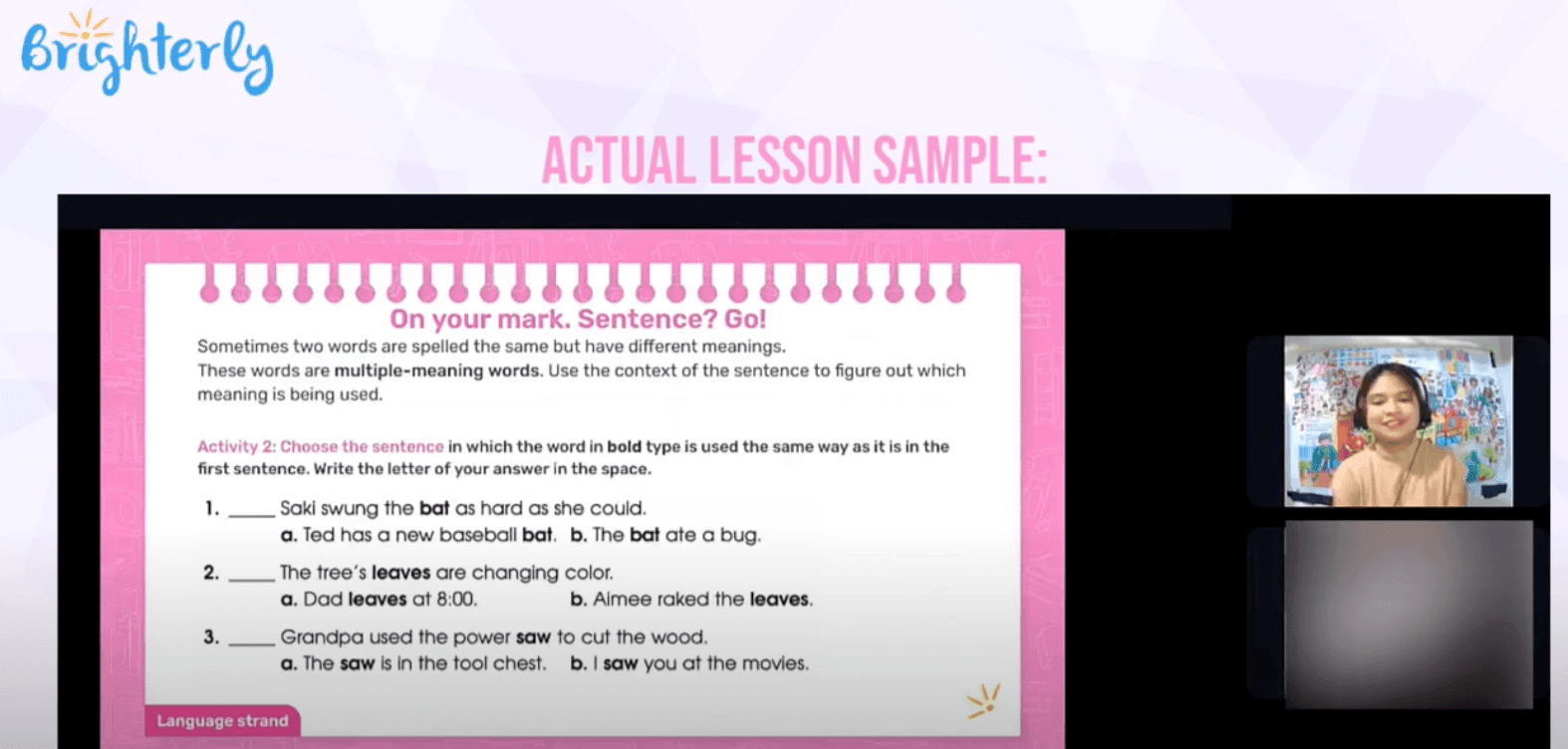
Its writing and reading tutors put children’s needs and adaptive learning at the center of curriculum development.
What are the other creative writing benefits of Brighterly’s approach?
- The writing and reading program follows national standards and focuses on storytelling, the core skill in creative writing.
- If tutors see that a kid is behind in phonics, grammar, or vocabulary, they find strategies to close learning gaps, without sacrificing creativity or writing mechanics.
- Tutors prioritize an interactive environment and expert feedback when handling creative writing classes for kids.
That way, tutors engage, build confidence, and make sure children aren’t afraid to share their thoughts.
Take our quick quiz to discover the perfect learning solution based on your child’s needs. 

Check the basics behind this term
How to improve your creative writing skills with worksheets
Parents and teachers can’t rely solely on fun and games when building writing skills at home. Children still need room for practice, exercises, and revision. That’s why creative writing worksheets are so important.
How do worksheets help with writing creativity?
- They provide daily or weekly exercises to practice specific skills, from finding synonyms to learning story elements.
- When used in creative writing for primary school, they give a structure for a kid to start, as they often need guidance.
- They are flexible tools that combine diverse exercises, including discussion questions, narrative writing, brainstorming activities, grammar, and tasks on character development.
Note: Find out more about what is narrative writing to be in the loop.
Use Brighterly reading worksheets for help
To add some color to the home practice of creative writing for kids, you would need a whole bunch of different worksheets: writing sentences, reading, character development, and plot structure.
Luckily, Brighterly has a decent library of free writing and reading worksheets for each grade level. So, you can find suitable materials both for students of primary and middle school.
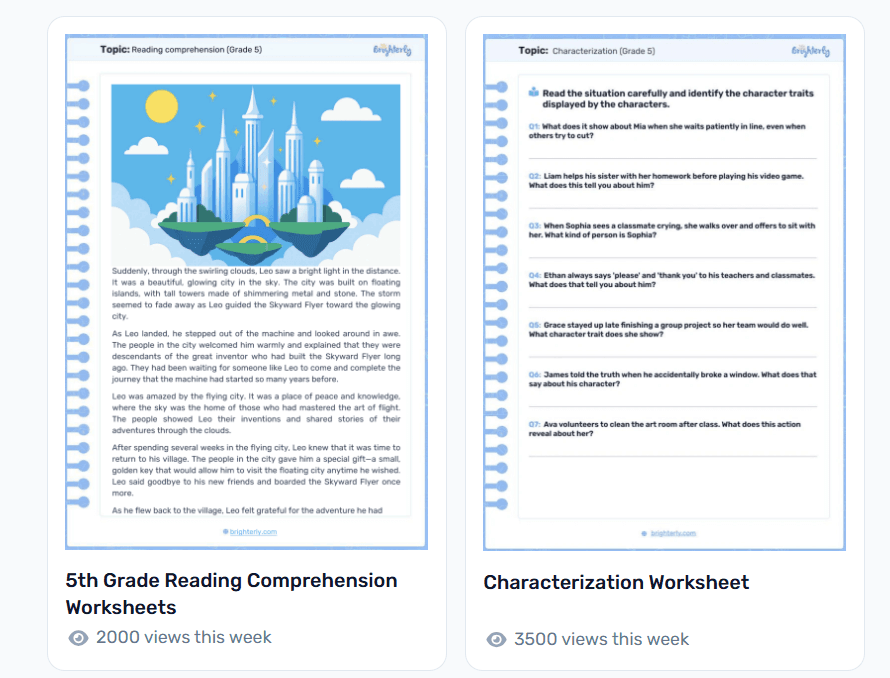
Besides, they are pretty fun, with graphics and diverse activities. Some would fit for reading activities and, thus, vocabulary and story structure, while others aim to improve creative writing for kids directly.
Check the basics behind this term
Take our quick quiz to discover the perfect learning solution based on your child’s needs.
Encourage writing creativity with reading and storytelling
You may know that creativity requires imagination. And how do you fuel it, especially among young children? The common strategy is daily reading or storytelling as a source of inspiration.
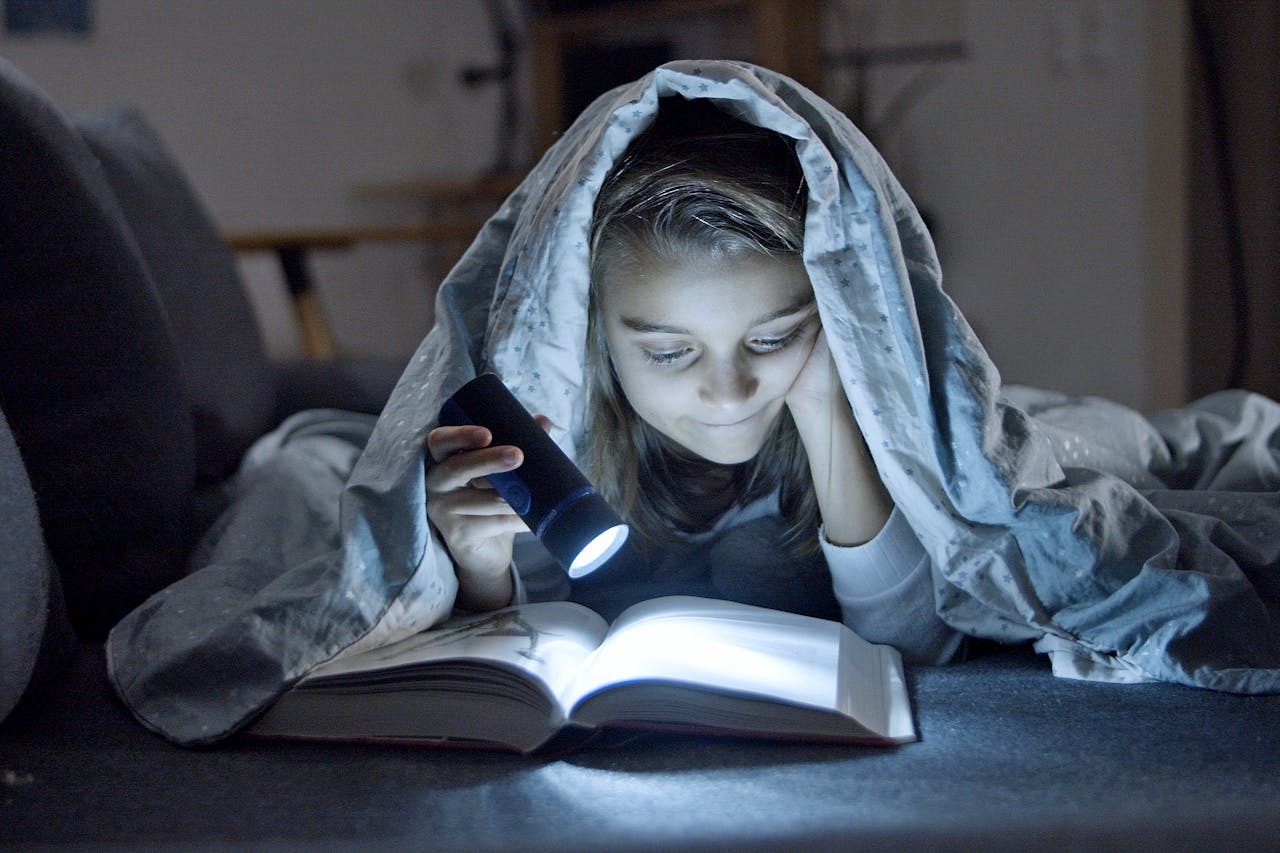
Your goal is to expose your children to different stories and support reading by talking about characters, setting, and conflicts. Besides, you can read stories together or encourage them to share their own tales.
What are some storytelling ideas for improving creative writing for kids?
- After reading together, ask children to retell a story, stepping into the shoes of one of the characters.
- Upon reading a story, ask kids to write their own version.
- Discuss characters, plot, and setting to practice story elements.
- Encourage a kid to read a tale, then ask them to change the ending.
- Pick a random dialogue and make children guess the context.
How to improve creative writing of kids with prompts and collaborative games
One of the obstacles in creative writing is figuring out what to write about. That’s the reason why creative writing prompts are so useful.
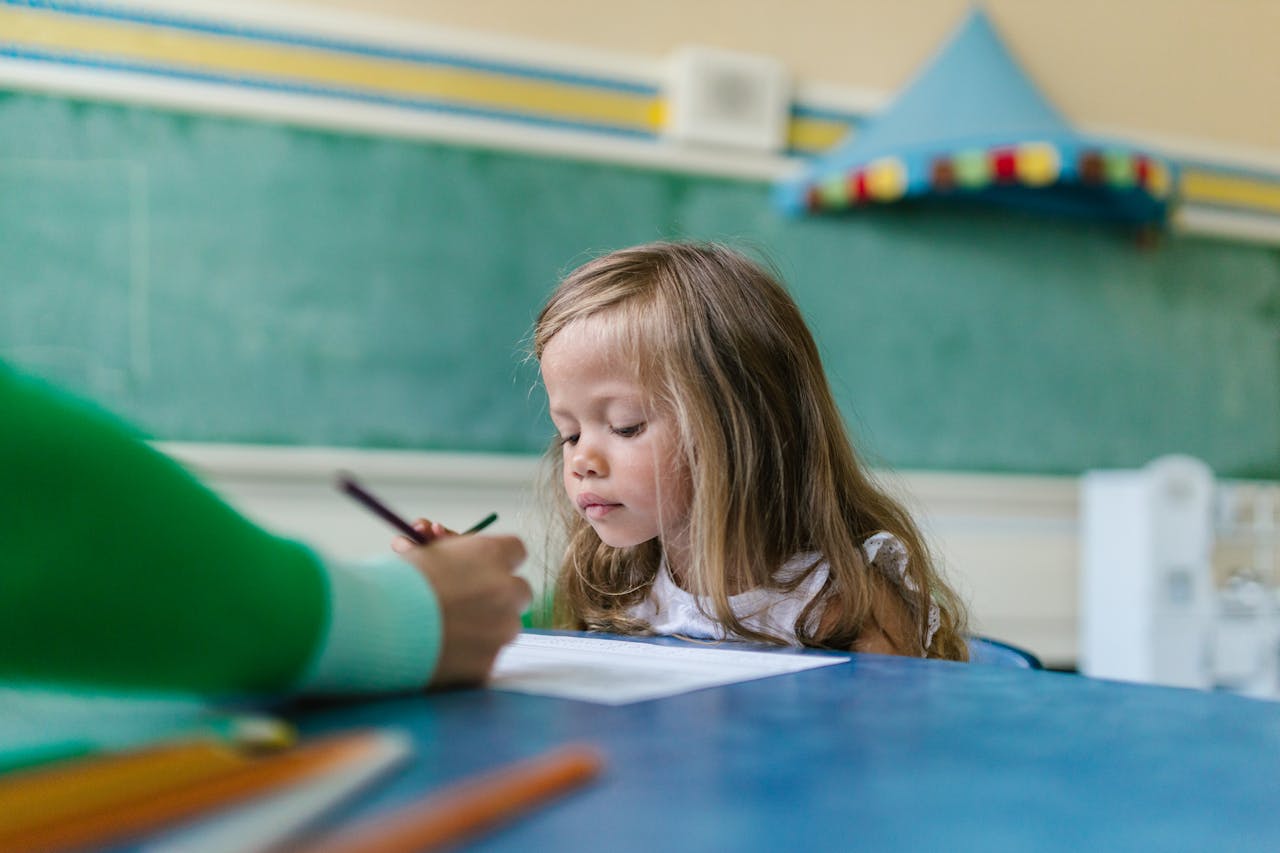
They are starting scenarios or simply fun ideas that make your kids’ imagination work and keep their interest high.
Let’s look at these funny and absurd first grade writing prompts for children:
- If your toys could run your home, what would change?
- Your backpack starts flying. Where would it carry you?
When teaching creative writing for primary school children, prompts help spark imagination when they see only a blank page.
The same goes for games; they set a friendly and fun environment to practice creativity and storytelling. Yet, real magic happens when you combine prompts and collaborative games.
Prompts and game ideas for improving creative writing for kids
- Use story dice or picture cards to start a storytelling game and exchange ideas.
- Use “What if” prompts to collaborate and create a story in turns.
- Try round-robin story writing: family members write a paragraph each in a circle.
- Fill a jar with words on places, characters, and actions, and pull them out to build a story.
- Use photographs, magazines, and news excerpts as story starters.
How to improve creative writing skills through art and play
If you want your kids to be excited about writing practice, encourage it in a proper manner. Creatively.
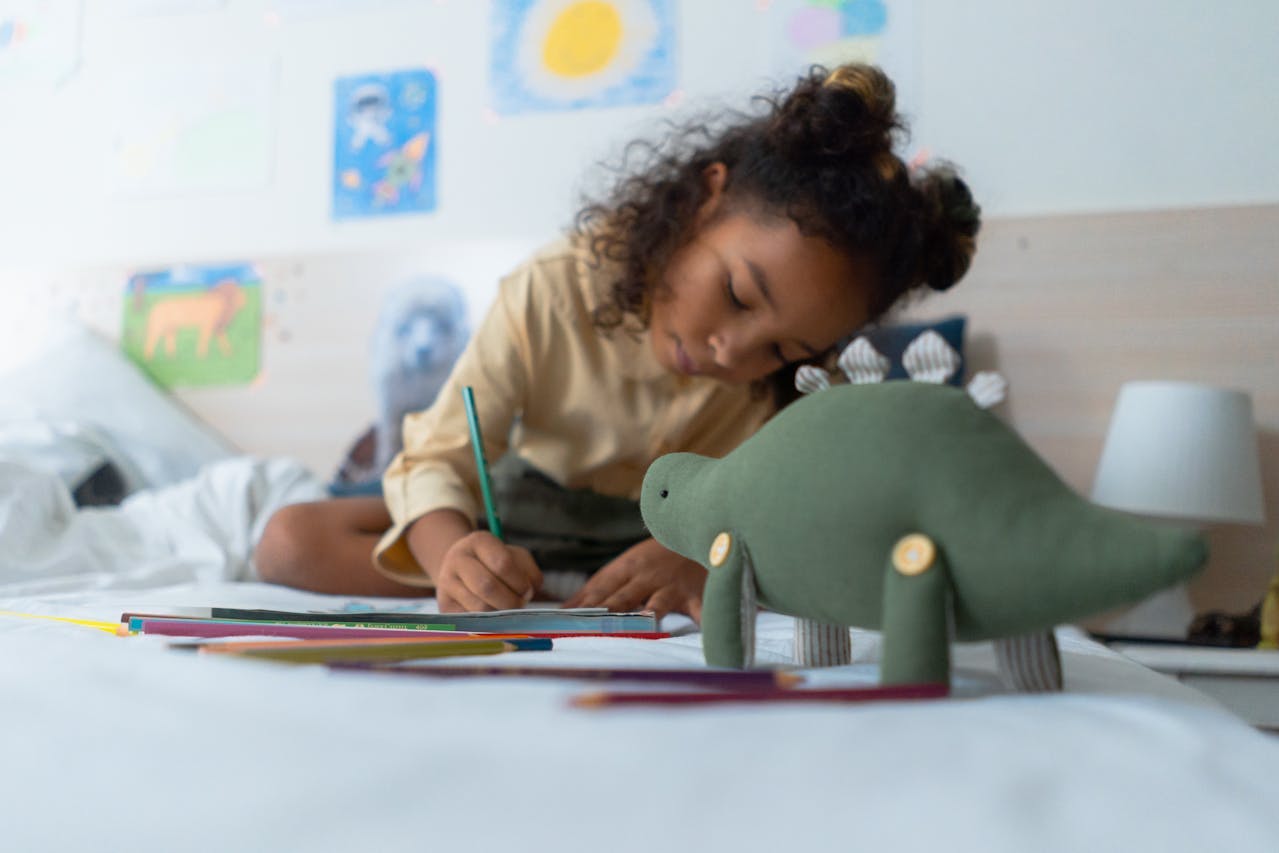
Children love to draw, play make-believe, and act things out. Thus, try to build activities around these elements.
- If they enjoy drawing, why not let them sketch a picture and then write a story about it?
- If they love pretend play, encourage them to write a play and then stage it with toys and puppets.
If you turn creative writing for kids into a playful and multisensory activity, it won’t feel like work. Through art and movement, you can help your child get absorbed in the creative process.
Considering this, how can creative writing be improved?
- Get a child to a museum or gallery, and encourage them to reflect on art.
- Use abstract photos as a starting point for a story.
- Act out a scene and then write it on paper.
- Let a child draw a story first, then decipher it via writing.
- Take a short walk and write observations, then turn them into a story.
Focus on ideas when improving creative writing for kids
When your kid starts writing, especially in the early drafts or after a long pause, don’t be harsh on them for grammar or spelling. Instead, focus on ideas and creativity, the flow.

Under this strategy, the creative writing objectives are to let them express themselves and to motivate them. Often, children may shy away from writing if you point out the common mistakes in writing, like misspelled words or misplaced commas.
Thus, discuss the story and the characters, save major corrections for later. When your kid gains confidence, come back to revising mechanics.
What are some revision tips to improve creative writing for kids?
- Frame feedback the following way: 2 things you like, 1 thing to improve.
- Delay grammar corrections until the final draft is ready.
- Reward kids for polished work.
- Let them choose the piece to revise and polish.
Make creative writing a daily habit
The ultimate purpose of creative writing is to express oneself and explore human experience. The best way for a kid to accomplish it is to make it a daily habit. Any guide on how to get better at writing will tell you this.

Even 10 minutes a day can work, whether a child writes a passage, a poem, or describes a character for a story. The key is to be consistent.
To make it more exciting for a child, encourage them to practice different types of writing every week or month.
Note: When they struggle, don’t force it. That’s what the best “how to improve creative writing skills” Reddit tips tell us.
What are daily practice tips to improve creative writing for kids?
- Keep a daily journal with prompts like “What I saw” or “What I found out”.
- Try 5-minute free writing sessions.
- Let a child make a series of stories where their shoes or toys, or other objects talk.
- Ask kids to write poems and songs about things around them.
What is the golden rule of creative writing?
The golden rule of creative writing for kids lies in the application of the “show, don’t tell” principle. It suggests that a writer should paint a picture with words rather than tell facts.
For example, a child may write “He was laughing.” Yet, under the “show, don’t tell” principle, a stronger version would be: “He covered his mouth, but giggles still got out.”
If you teach children this, they will be able to let the reader experience and feel the scenes.
What are the 5 C’s of creative writing?
- Content. Referring to the ideas, themes, and story, and implying that they’re interesting and meaningful.
- Craft. Meaning the style, writing approach, and use of writing techniques in the creation of a story.
- Creativity. Showing originality and imagination as well as writing style.
- Clarity. Ensuring that story is understandable, and readers can follow it.
- Coherence. Meaning the story has a logical flow and is consistent.
Note: The 5 C’s of creative writing refer to the fundamental qualities of a good story or creative writing piece. Introduce these principles when kids are confident in storytelling to add more quality to writing.
How can creative writing be improved? Conclusion
Above all, creative writing is a unique journey of expressing ideas and building confidence. It helps develop language skills, critical thinking, and communication.
However, as a parent, you can help your kids improve by offering the right environment, tools, and routine to express and play with ideas. Your main strategies are to encourage reading, use prompts, worksheets, or games, focus on kids’ ideas and imagination, and make writing fun.
If you’re looking for the best approach which includes all the techniques, there’s personalized tutoring. Wonder how it works? Book free lesson to try Brighterly!


“Does dyslexia affect math?” — it’s a common question from parents surprised that their first-graders “can’t do numbers.” My answer: Yes. However, not in the way you expect. As a teacher with proven experience, I’ve prepared this guide to walk you through proven methods to overcome dyslexic math challenges. Key points: Parents may think math […]

Dec 19, 2025

You’d be surprised how many active learners there are. Yes, traditional methods don’t work on them. Children just won’t sit and listen. Does it sound like your child? In this case, you should consider kinesthetic learning strategies – they can make a big difference. Read on to define kinesthetic learning and explore key methods to […]

Dec 21, 2025
Math & reading from 1st to 9th grade
Looking for homework support for your child?

Choose kid's grade

Math & Reading for Grades 1–9
Build real confidence for your child with a Brighterly math or reading tutor.