How to Write a Title: Rules, Styles and Catching Readers’ Attention
reviewed by Laila A. Lico
Updated on February 2, 2026

Often, when it comes to writing academic essays, the hardest part is thinking of a title. But why is this? The titles of academic essays need to be succinct, descriptive and catchy, and this might feel daunting when you only have a few words to work with. But fear not! In this guide, I’ll teach you how to write a title for an essay. I will discuss what a good essay title looks like, the ideal length, examples of good titles and best practices. Once you know how to write a title, you’ll be more confident in your work!
Key points
- Essay titles must meet certain criteria, including being informative and engaging
- Writing your title after your essay is a good idea because it’ll be more accurate
- You should include a hook, keywords and additional key terms
- Consider your audience, essay tone and the format you want your title to be in
- In terms of what makes a good essay title, it can include questions or statements that make it interesting
What is a good title for an essay?
A good essay title must meet certain criteria: it should be concise, eye-catching and informative. In it, you must tell your reader the topic of your essay, its unique angle and the specifics of your exploration.
Strong essay titles answer certain questions, which can include:
- What is this essay about?
- Why should I read this essay?
- Is there a specific period or location it is exploring?
You should also align your essay title with the tone of your content. Serious or formal essays demand titles that reflect the potentially sombre tone of your content. However, a more light-hearted essay could benefit from playfulness and humor in the title.
How long should an essay title be?
Essay titles shouldn’t be too long or convoluted — ideally, your academic essay title should stay below 15 words. Titles that have two parts, aka an introductory hook and a secondary, meatier part of your title that covers details, can afford to be a little longer. Still, they shouldn’t go past two lines in your document.
The topic and content of your essay will play a part in how long your title is. Essays that touch on different topics or drill down into a specific sub-topic in great detail may need to be longer than simple analyses or thought pieces.
How to make a good title for an essay
Firstly, think about how you would describe it if someone asked you what it was about. For example, if you were writing a review on stereotypes around femininity in Pride and Prejudice, the starting base for your title could be “The Representation of Femininity in Pride and Prejudice”, then your hook could be something that hints at your analysis, making your full title “Breaking Barriers or Being Bypassed: the Representation of Femininity in Pride and Prejudice”.
When it comes to how to title an essay, it’s a good idea to write your title last, too. You can jot down ideas as you go along, like interesting elements of your essay that the reader may not initially expect. However, the best and most fully fleshed-out titles are written once the essay has taken shape and come to its conclusion. You can use your essay abstract to inform your title too, as that will summarize your key points.
Writing an essay title is arguably the most challenging part of the essay itself. You want to draw readers in without giving the game away and make it interesting, all while staying concise and accurate.

Getting support from a one-to-one tutor can help you if you’re really struggling to come up with ideas for titles. They can help break down the barriers you’re facing to help you become a master at essay title-writing and overall get better at writing. Need support with writing your main essay? Check out tutors’ guidance on how to write an essay step by step and book free lesson to understand how a tutor can benefit your writing.
Through online writing classes, a tutor can give you actionable tips and an unbeatable strategy to come up with the perfect title for your essay every time. They can also support you in other areas you may be struggling with, like reading comprehension or character analysis, offering you a well-rounded education.
In addition, writing worksheets for kids can help get your creative juices flowing and improve creative writing, as they contain games and story problems that can help you improve your title writing.


Check the basics behind this term
Take our quick quiz to discover the perfect learning solution based on your child’s needs.
How to come up with a title for an essay?
To come up with a title for your essay, you should first write your essay to completion. The best ideas for an academic essay title will come to you once you know the direction your work is headed in and its ultimate conclusion.
Next, you should consider the topic of your essay and what you are analyzing or writing about. This needs to be clear in your title. If you are answering a question as part of your essay, you can include this question in your title.
It’s important that your title reflects the content and tone of your article, so draft a few versions and review them to see which is the most accurate. If you’re writing about a light-hearted topic, you can include some humor in your title — but steer clear of this if it has a more serious subject or undertone.
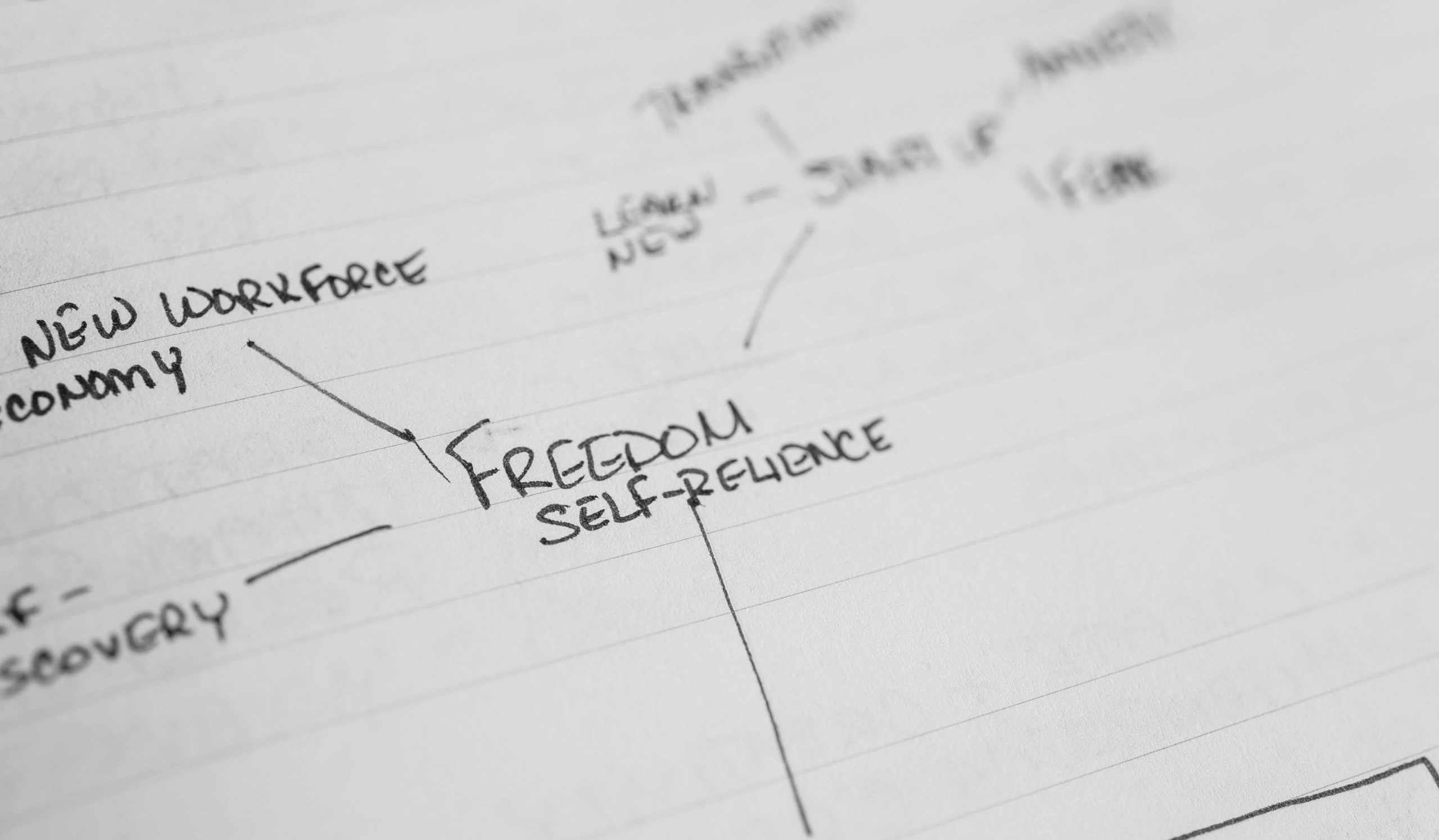
You can create a mind map as a brainstorming activity to come up with title options, detailing different elements of your essay, different types of titles (like questions, statements and funny titles) and titles with both one and two parts.
Essay title rules
Three components of essay titles
- Hook: This is designed to be interesting and catch your readers’ attention; often, hooks are followed by a colon ahead of the main detail, but this isn’t always the case
- Keywords/details: This part highlights the main focus of your essay, whether it’s an analysis of a book or a comparison of literary theories
- Additional key terms/source: This can refer to the time or location your essay focuses on; for example, it could be a city or historical period.
How to put titles in essays
- Format: Unless otherwise stated, your essay title format should be in title case; your first word, last word and every significant word in-between start with capital letters (leaving out words like the, and or an)
- Audience: Who will be reading your essay and what do you want them to know? What is the value they’ll get out of it and how do you want them to feel?
- Tone: What is the tone of your paper? Is it serious, or is it a subject you can have a little fun with? This should dictate the tone of your title
- One part or two: Some titles have one part, which is a single, standalone clause, whereas others have two clauses separated by a colon; usually, the first is an eye-catching hook
When you put all these rules together and consider the additional factors like your tone and whether you want one part or two in your headline, you’ll create an eye-catching, accurate statement.
Note. APA and MLA may have separate specific guidelines.
Ways to write titles
- Pose a question: To create intrigue and interest with your title, you might want to pose a question to your reader. For example, instead of telling them what you’re analyzing, ask the question you intend to answer and give some hints
- Hook readers in: Two-part titles are the best way to hook readers in; use an interesting or controversial statement before you detail your essay topic to generate interest
- Straightforward statements: Essay titles, especially on serious or technical subjects, don’t always need to be clever — sometimes they just need to get to the point quickly
- Include a quote: Take a small excerpt from your essay, whether that’s a research conclusion you’ve drawn or a quote from an interviewee, to pique interest
These tips help you understand how to make a creative essay title.
Check the basics behind this term
Take our quick quiz to discover the perfect learning solution based on your child’s needs.
Essay titles examples
Now, let’s look at some title examples. Let’s say you are writing an analysis of the main character, Holden, in The Catcher in the Rye. Your analysis concludes that the character is experiencing an identity crisis as he transitions from childhood to adulthood, and that this can often be related to modern-day experiences of growing up. Don’t forget to use quotation marks for the work you’re analyzing.
Here are some examples of a good title for an essay you could use based on each title style:
- Question: Who Am I Really? Exploring Holden’s Identity Crisis Through a 21st Century Lens
- Hook: The Fear of Adulthood: Identity, Innocence, and Isolation in “The Catcher in the Rye”
- Statement: Analyzing Holden Caulfield’s Identity Crisis and its Relation to Modern-Day Adolescence
- Humour: Yes, Identity Crises Existed Before Social Media: Relating Holden Caulfield’s Growing Pains To Modern-Day Puberty
Conclusion
Now, you know everything there is to know about writing an academic essay title! It may seem daunting at first to create a short and snappy title that is also informative and interesting, but once you’ve practiced it and used brainstorming techniques to come up with some options, it becomes easier. You can now consider yourself an expert in how to create a good title for an essay.

Online tutoring has become a real part of modern education. Wiingy is one of those tutoring platforms that has been catching the attention of parents and students for years. But is it actually a good service for finding a tutor? What should you expect, and what do real users say about it? Based on my […]

Feb 02, 2026
Do you want to help your child learn to read and need resources that actually work? You’re in the right place. Reading is a key skill, and starting well really matters. As a teacher and educational platform reviewer, I’ll help you find the right phonics based reading programs – just what your child needs to […]

Feb 03, 2026
Math & reading from 1st to 9th grade
Looking for homework support for your child?

Choose kid's grade

Math & Reading for Grades 1–9
Build real confidence for your child with a Brighterly math or reading tutor.