10 Kinesthetic Learning Strategies for Kids in Motion
reviewed by Laila A. Lico
Updated on January 10, 2026
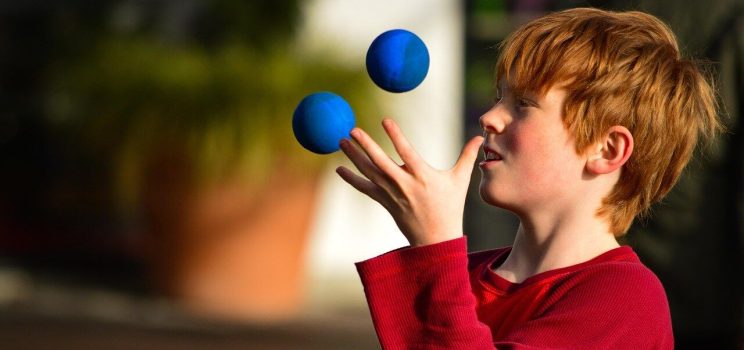
You’d be surprised how many active learners there are. Yes, traditional methods don’t work on them. Children just won’t sit and listen. Does it sound like your child? In this case, you should consider kinesthetic learning strategies – they can make a big difference. Read on to define kinesthetic learning and explore key methods to help your child shine.
Key points
- Kinesthetic, or tactile, learning implies getting knowledge through physical activity and active participation.
- Hands on learners learn best by doing, not by sitting still.
- The most practical kinesthetic learning strategies refer to using hands-on tools, role-playing, drawing, model-building, tutoring, and writing.
- They work for almost any subject, whether math, storytelling, reading, or science.
What is kinesthetic learning?
Kinesthetic learning, also called tactile learning, is an educational method through which kids learn via physical activity, hands-on experience, and active participation. In other words, they study better by doing something. A kinesthetic student learns much more effectively if they actively touch materials and explore concepts via experience.
Comparing auditory, visual, and kinesthetic learning styles, the latter focuses on engaging with objects and the environment. So, instead of listening or reading visual codes, kinesthetic students comprehend better when building something, drawing, or acting out things.
Signs your child is a kinesthetic learner
Above all, don’t jump to conclusions. If a kid is bored with a subject or distracted, it’s often not enough. The reasons may be a short attention span or a kid’s need for motion for better concentration.
Some kinesthetic learner characteristics
- When sitting or standing for a long time, a kid gets restless or starts tapping or fidgeting.
- A kid has strong hand-eye coordination, motor skills, and excels at sports.
- They remember better what they do instead of what they hear or read.
- They have trouble memorizing unless knowledge is tied to an action.
- A child learns better by using blocks or other hands-on tools.
How do kinesthetic learners behave during learning activities?
- Learn spelling better upon writing or using word blocks.
- Love to make things with their hands.
- Love creating charts and posters when collecting information.
- Use lots of gestures in explaining things.
- Lose interest if they need to sit still for more than 20 minutes.
How do kinesthetic learners learn best?
Kinesthetic learners retain knowledge through movement, multi-sensory activities, and engagement with the real world. Once they make their body involved and mind engaged, knowledge sticks better.
How to teach a kinesthetic learner child? There’s a simple principle for parents to follow: make learning an active experience.
For instance, when teaching, instead of explaining a math problem, let your kids arrange objects or diagrams with their hands, and use them to walk through the steps.
Besides, integrate multisensory activities concerned with using touch, sight, sound, and movement to help a kid achieve a learning goal.
In the end, any kinesthetic learner strategy would encourage a kid to use their body and gestures, combining intellectual and physical movement.
Benefits of kinesthetic learning for kids
- Higher engagement and motivation. For kids, action often means fun. Thus, a learning activity that requires them to move, draw, or act out will result in higher focus and participation.
- Impact on cognitive development. Physical activity positively impacts brain function. With movement, the blood flow increases, bringing more nutrients to brain cells. Also, activities lead to better neuroplasticity and foster the release of neurochemicals that aid memory.
- Improvement of confidence and social skills. Since kinesthetic learning involves group projects and role-play, kids learn to cooperate and feel proud of the tangible results.
Note: A kinesthetic learning style is an effective way to divert you kids from digital distractions.
Top 10 kinesthetic learning strategies for active learners
- Practical support through personalized tutoring
- Use of manipulatives and hands-on tools
- Moving, moving, and showing
- Breaking learning into periods
- Leveraging games and challenges at home
- Role-playing and acting out
- Writing and drawing
- Connecting learning to real-life activities
- Using interactive tech
- Building models to practice
Practical support through personalized tutoring
Let’s start with one of the most universal strategies for learning – personalized tutoring. Why?
Personalized tutoring aims to tailor the lessons and programs to kids’ needs and preferences. Its tutors’ priority is to ensure kids are motivated and engaged. So, if they see a hands on learner, they know the one and will include appropriate kinesthetic learning activities.
Besides, tutors often combine hands on tools, games, and explanations with movements. Why this approach? To engage and motivate students.
This flexible, needs-based approach makes tutoring a great kinesthetic learning strategy.
How Brighterly uses kinesthetic strategies in online tutoring
Yes, a hands on learning style relies on movement. Yet, it doesn’t stop the Brighterly math and reading platform from integrating it into its tutors’ teaching approach.
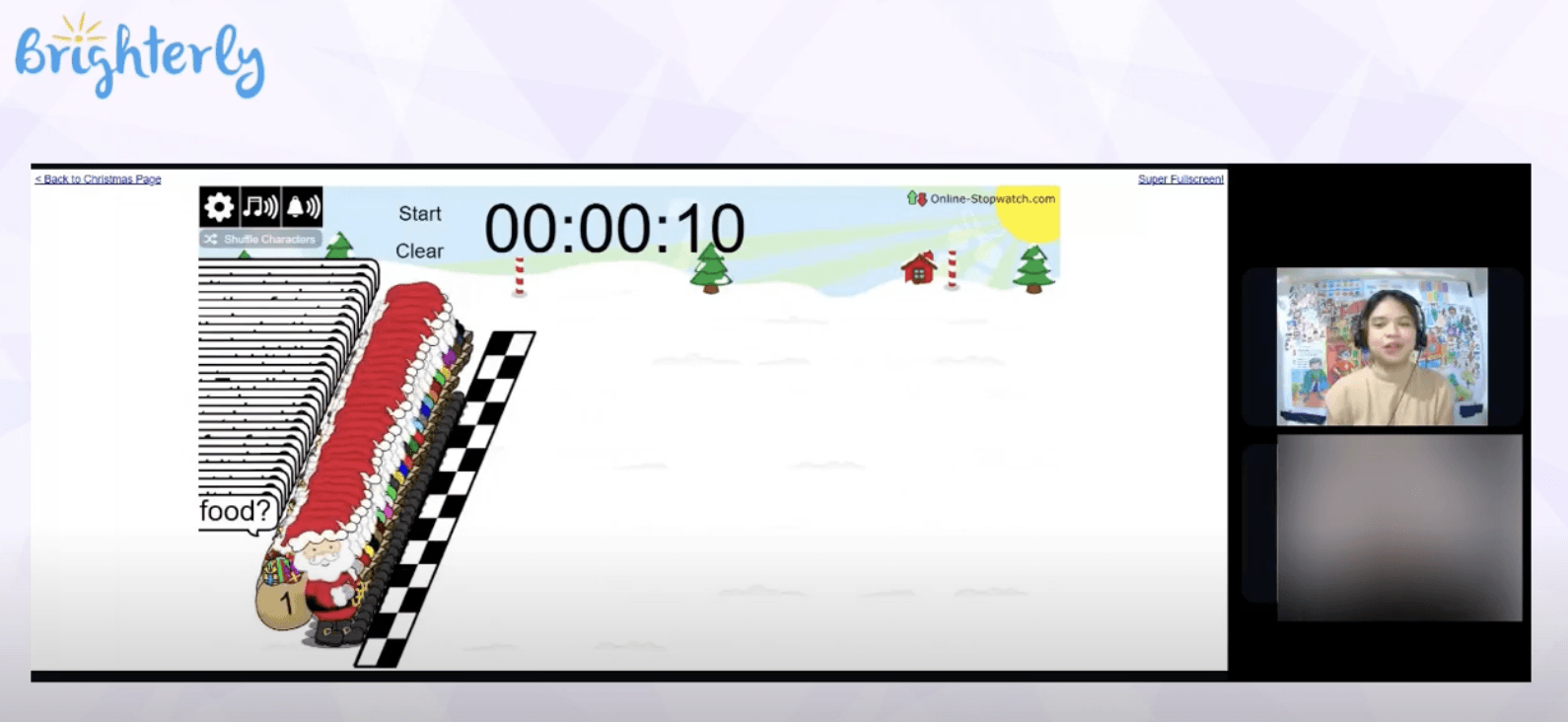
In particular, Brighterly’s math and reading tutors actively use multi-sensory strategies during 1:1 lessons. How?
- By integrating virtual games, drag-and-drop tasks, and visual models to maintain attention and engage kids via devices.
- By using the environment around the kids to perform tasks and move.
What are specific study techniques for kinesthetic learners that Brighterly tutors apply?
- For reading, use letter tiles or cubes to move letters, virtually or physically, and create words.
- When teaching storytelling, ask a kid to bring their toy and use it as a puppet in a play.
- To learn new vocabulary, ask a kid to take an object, touch it, and explain how it feels. Parents can also encourage kids to practice writing that way.
What about teaching math? Look at this example of kinesthetic activity:
You can guide kids to use their fingers or clap rhythms to count out math problems. In particular, say to the child, “Hop in place 5 times, then 3 times, and then count all the hops!”
As a young learner hops and counts, they better understand how addition works.
Check the basics behind this term
Take our quick quiz to discover the perfect learning solution based on your child’s needs.
Using manipulatives and hands-on tools
Now, let’s switch to less universal but no less important kinesthetic strategies for learning.
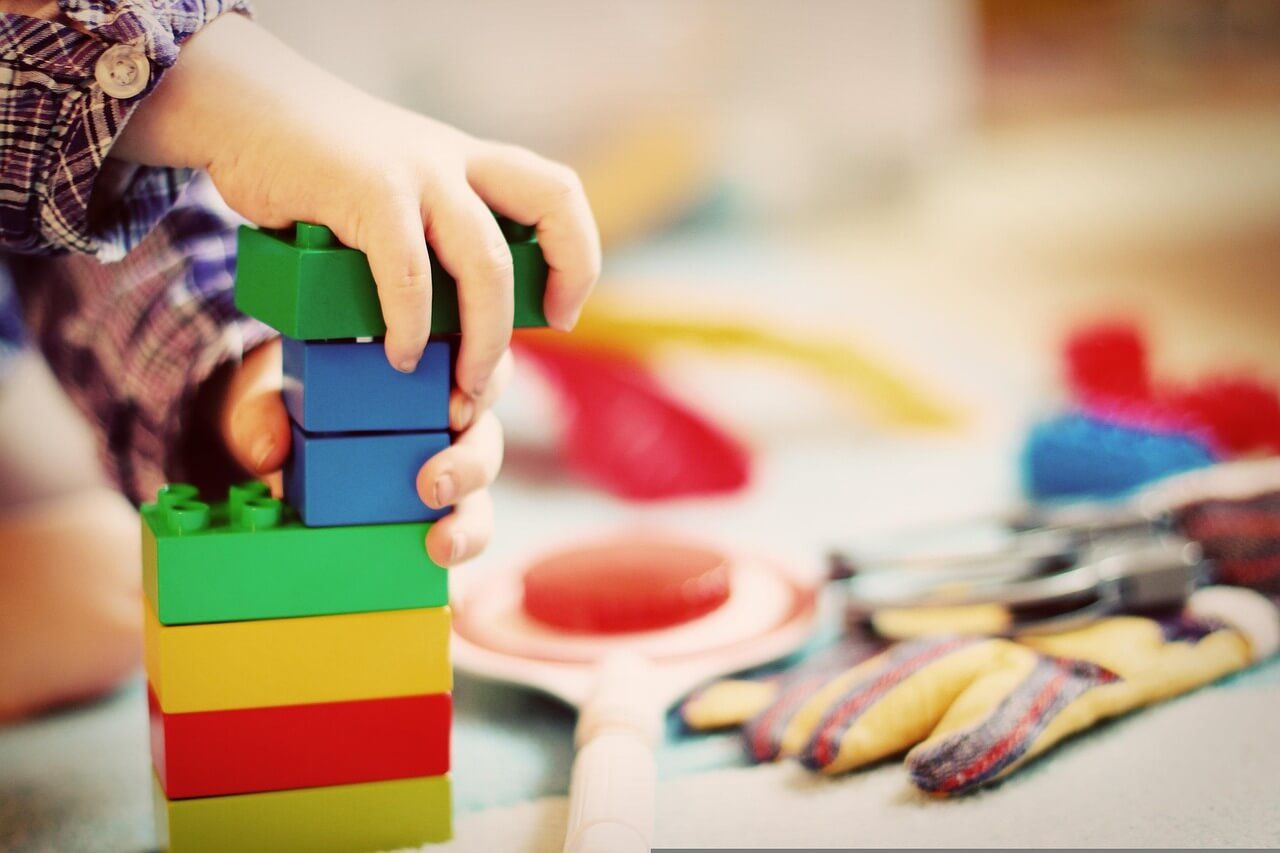
Leveraging manipulatives and hands-on tools is for sure among them. With such tools, you ensure that kids literally get their hands on the subject matter.
What’s the main principle here? Give your child a tactile object to touch and move, and build learning around it.
- In math, they can be blocks, Legos, fraction tiles, or even apples. You can go old-school and get an abacus!
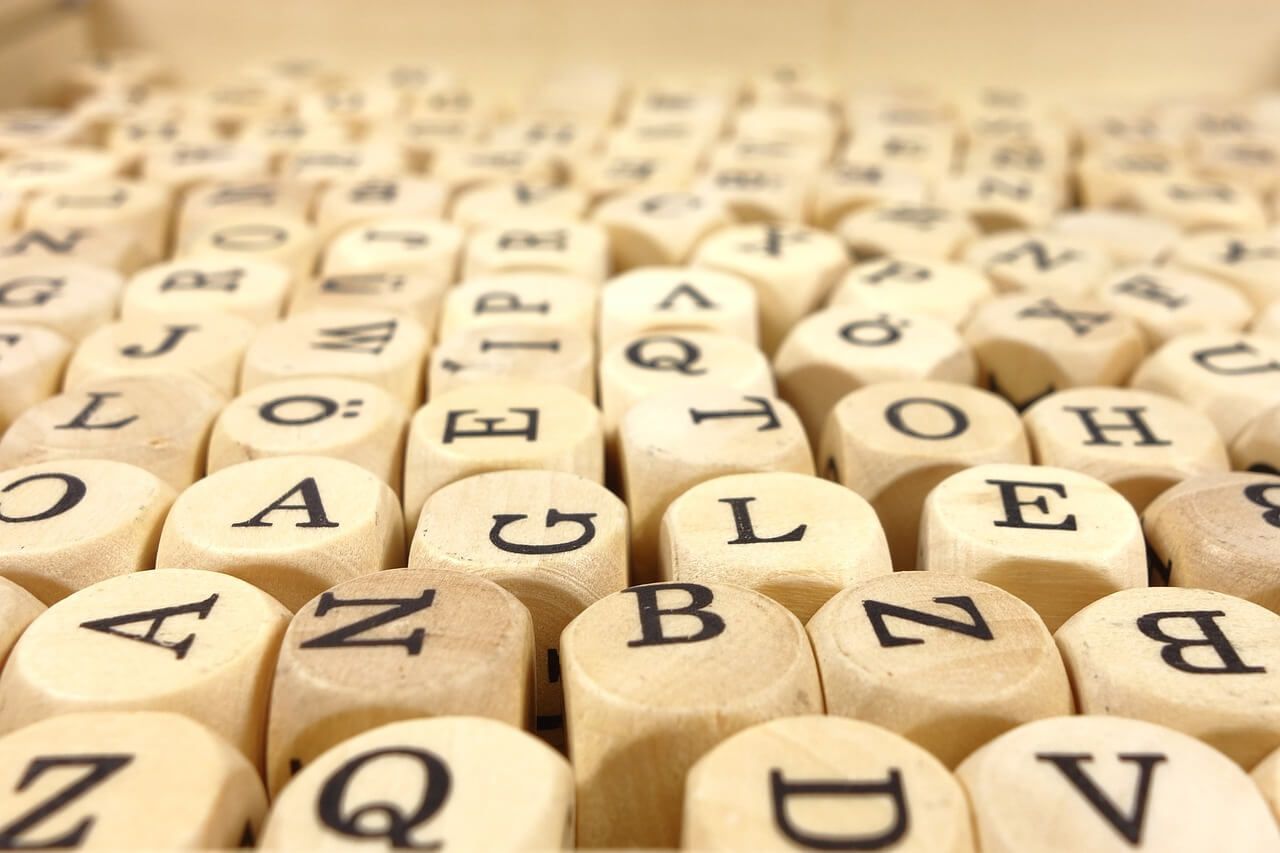
- For reading and spelling, try letter magnets and Scrabble tiles to arrange and form words.
With manipulatives, you can make abstract ideas concrete.
Kinesthetic learning activities with manipulatives
- Give kids a set of pattern blocks to teach geometry. Let them use triangles to create squares and hexagons.
- Place cards with sight words on the floor, and ask a kid to jump when you call out a word.
- Prepare props, write their explanations on cards. Ask a kid to take one, and act a scene where a prop is used.
- To teach how to write an argument, prepare index cards with elements of structure and examples. Ask them to link cards and sound arguments.
Control kids’ engagement via movement
For a kinesthetic learner, sitting or standing still is the enemy of learning. Thus, one of the kinesthetic teaching strategies implies harnessing their need to move or making it a learning process.
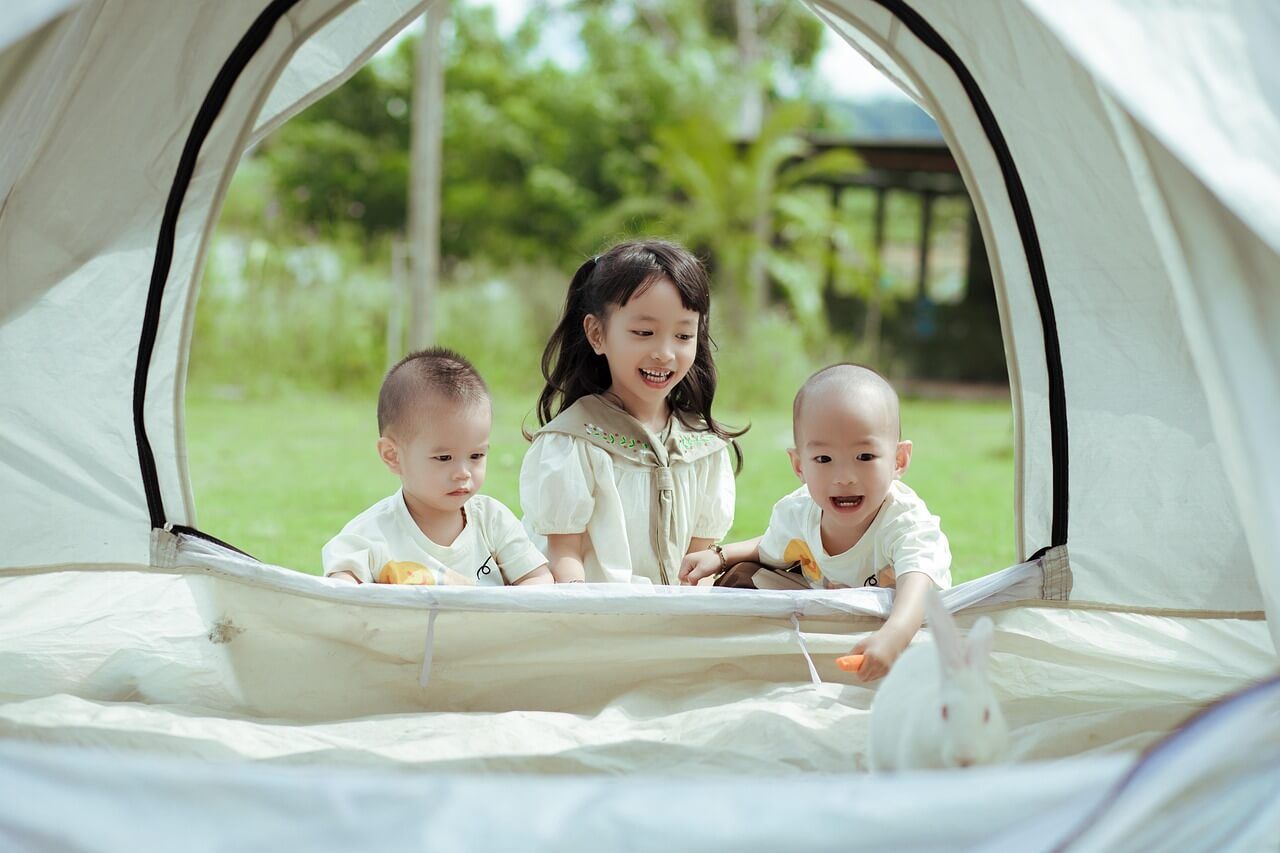
How to make it work? By integrating movement and gestures into studying.
Why? Because it will help them focus and anchor the learning in motion. There, you can encourage a child to stand up, walk, dance, or play with a ball.
Just imagine that dancing was crucial to the Shine for Girls program, teaching math through dancing and resulting in a 40% improvement in test scores.
Note: Looking for some tips for kinesthetic learners? Giving stress-relieving objects, like stress balls or fidget spinners, can help kids sit or stand longer.
Examples of kinesthetic learning related to movement
- Turn math addition into a game, where you say an equation, and kids should jump or clap the number of times that equals the answer.
- Use action games and encourage them to practice vocabulary with gestures. Say “bird” and ask a kid to show it.
- Use a scavenger hunt for a kinesthetic learner to run and look for objects, words, or letters.
- Throw a ball to each other, naming new words from the list; the one who names more wins.
Break learning into periods, use microlearning
Well, if sitting is an enemy of kinesthetic students, then a long study session is a real torture. They learn best in short bursts of focus. Thus, microlearning and active study breaks are powerful strategies for kinesthetic learners.
For instance, if you want a kid to complete math worksheets and reading worksheets, don’t force them to do them in one go. Instead, break the process or tasks into smaller parts.
What to do in between? You can play a little or do fun movement activities for kids’ brain recharge and reset attention.
Make tasks in cycles, first intellectual work, then a preferred activity. That way, you let them rest and prevent frustration from building up.
Kinesthetic learning examples of study breaks
- Upon a reading session, have a challenge ready, like running a mini obstacle course in the living room.
- Also, as a break game, play “Simon Says” with younger kids in turns.
- Upon completing reading tests and math tests, reward them with a ball game outside or a walk with a pet.
- Break reading into parts where you have a fun quiz or discussion time, with ball throwing in between.
Check the basics behind this term
Take our quick quiz to discover the perfect learning solution based on your child’s needs.
Leverage games and challenges at home
Let’s say this method is a great addition to the previous kinesthetic learner study strategies. Why? They are a lifeline that helps to reduce stress, engage, and motivate kids. At the same time, they can be a foundation for the whole lesson.
The rationale lies in games themselves, as they naturally incorporate elements of movement that hold the attention of kids.
Whether an indoor game, outdoor activity, or a friendly competition, your goal is to make the subject of learning central to winning.
Examples of kinesthetic learning games and challenges
- Use a scavenger hunt to improve vocabulary, hide cards and riddles with clues or tasks on new words.
- To practice reading comprehension or storytelling, hide quotes or story elements around the room. Your kids would find them, read aloud, and match with characters.
- To practice debates, set up “stations” on various stances and play with family members. Ask the kids to race between themselves and provide an argument for each of the stations.
- For math, create a “Math Bowling” game at home with plastic bottles and a ball to practice order of operations and sense of numbers.
Use role-playing and acting out
Can some kinesthetic learning style strategies be more effective than others? Sure, that’s the case with role-playing and acting out. The reason lies in the opportunity for kids to use their bodies and imagination to practice and learn concepts.
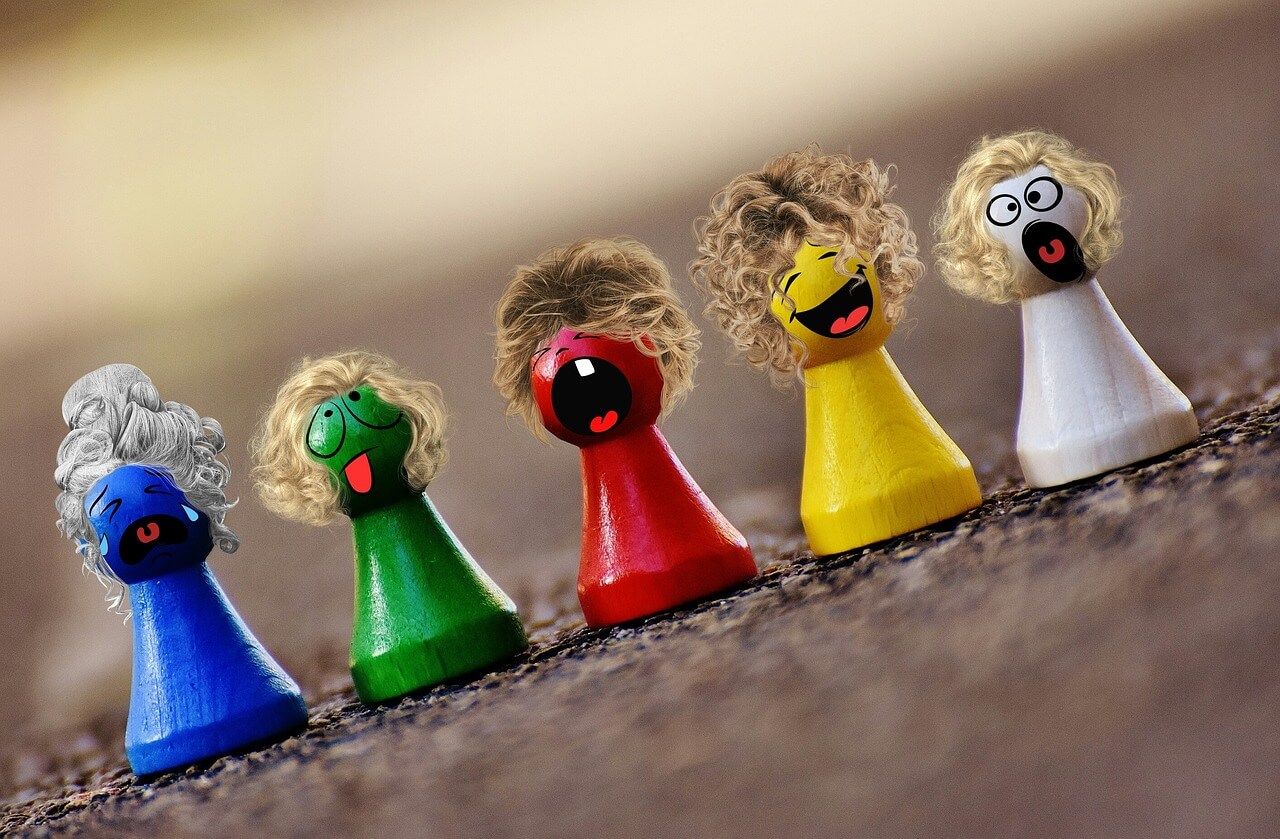
When a kid embodies a concept, they form a stronger connection to the materials. Acting out is pretty effective for reading comprehension, where a kid lives a character or performs a skit of a story. At the same time, role-play works well in teaching history.
In terms of kinesthetic style, experiences, images, and roles help learning stick.
Acting-based study techniques for kinesthetic learners
- For elementary school kids, you can role-play letter sounds or rhymes to study phonics. First show the letter, then pretend to be it in turns.
- For reading assignments, ask a child to role-play their favorite scene or become the main character for a learner to interview you.
- Learn science via acting out; ask a kid to show how the water cycle works, with no words, just sounds. I bet showing the evaporation, condensation, and precipitation would be really fun.
- To learn fractions, create a play about a pizza restaurant, where kinesthetic learners play pizzamen and solve math problems.
- Create skits and sketches together to learn topics in social studies or history.
Build learning around writing and drawing
Is it right to say that writing or drawing are not as effective learning strategies for kinesthetic learners if they don’t want to sit still?
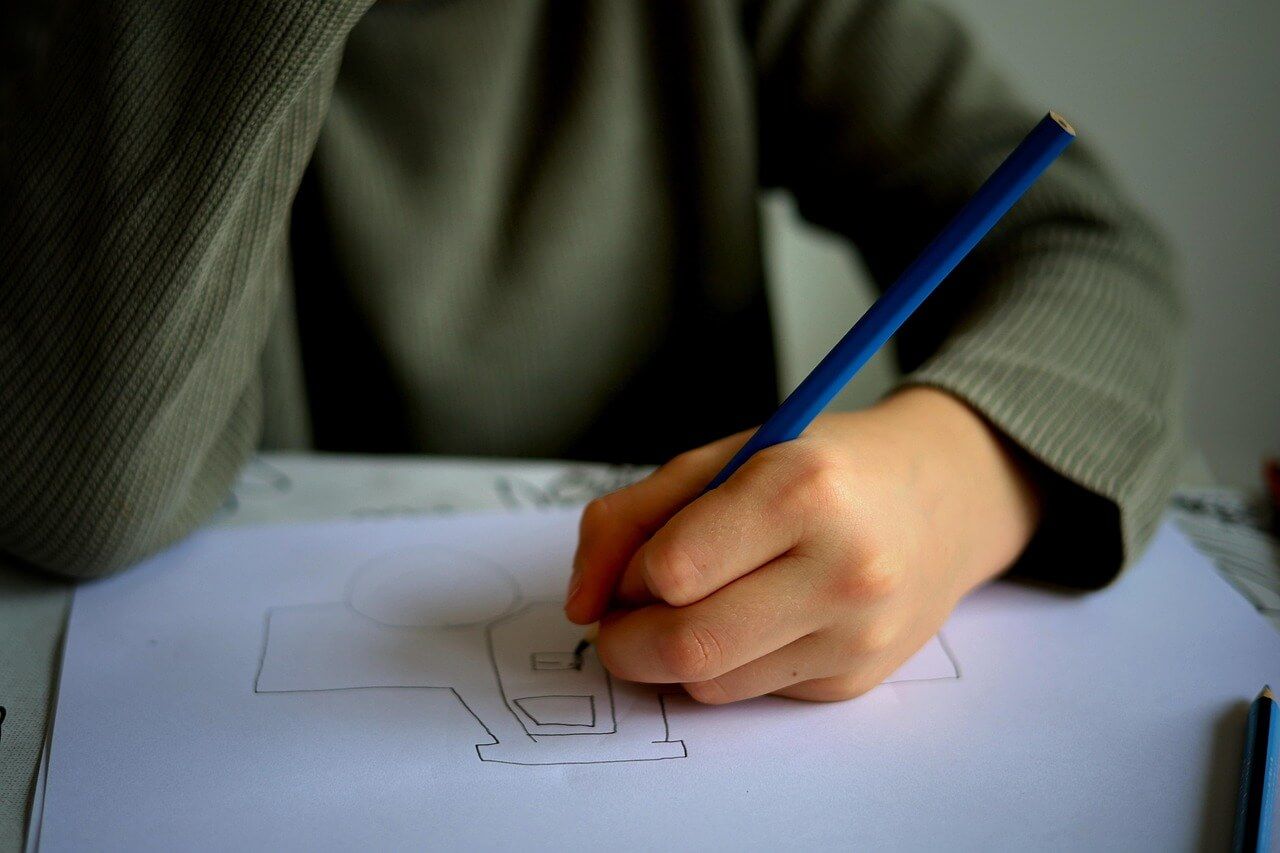
No, it’s not, because writing and drawing are physical actions too. Moreover, as kinesthetic learners often have excellent muscle memory, the process of writing and drawing allows them to imprint information in their brains.
With these kinesthetic learner study strategies, a child gets a tool to:
- Link knowledge to images
- Simply focus while listening (if it’s doodling)
- Organize ideas in their own way.
Note: Drawing a word or concept with a finger in the air is an effective strategy for adults; it helps to concentrate and settle the ideas.
Writing and drawing strategies for kinesthetic learners
- For elementary school kids, apply sky writing and sand tracing to teach phonics, back it with saying words aloud.
- When teaching reading, ask kids to draw a character journey with notes as an answer to the questions.
- For vocabulary practice, create a journal for a kid to write and draw a word, and then use it in a sentence.
- When reading a book and studying grammar, equip hands on learners with colorful sticky notes and markers to highlight important parts or underline grammar parts in the text.
- Use a board for them to draw out math problems or develop a strategy for math problem-solving.
- Encourage them to use interactive note-taking and idea-mapping when they listen to materials.
Connect learning to real-life problems
Let’s not forget about the role of experiential learning in study strategies for kinesthetic learners. That’s about the very principle behind kinesthetic: learn by doing.
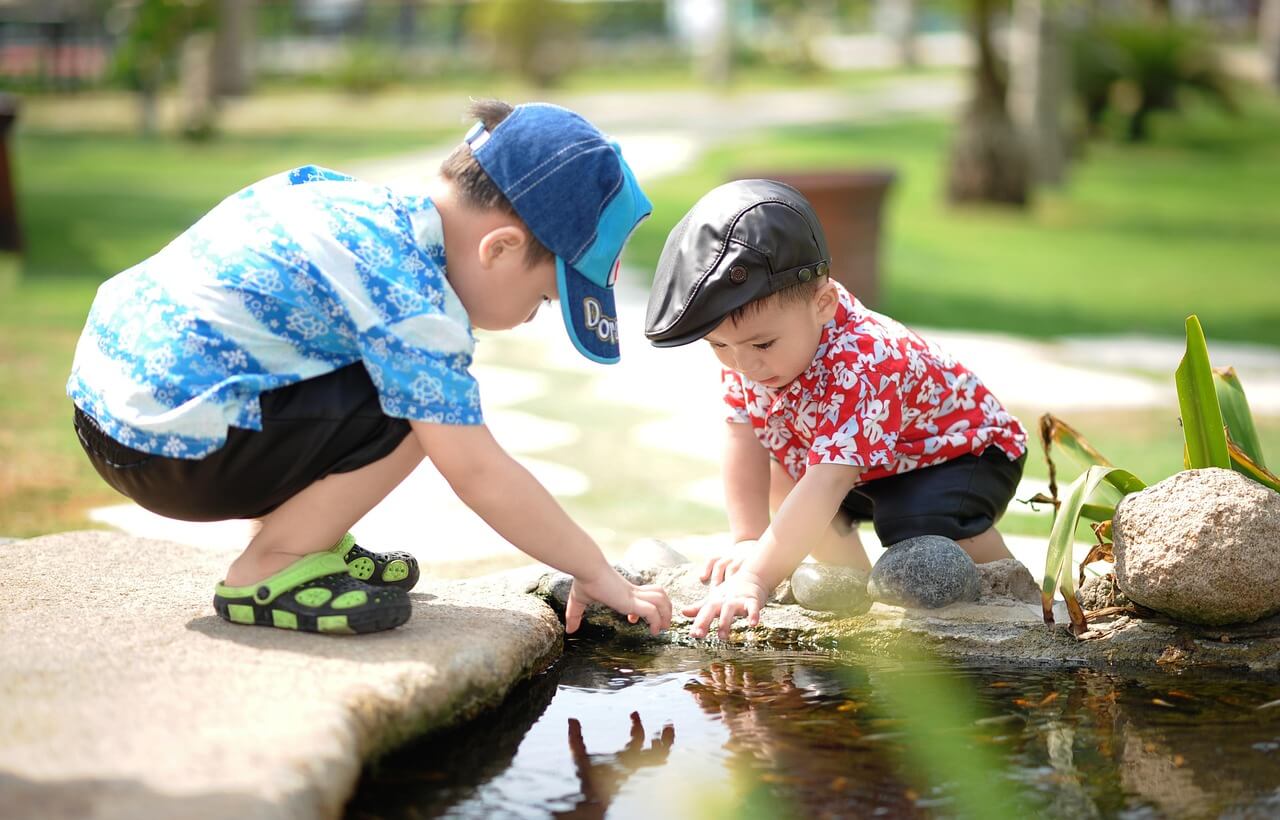
To approach a hands on learner, think of the activity that allows using a learning subject in a practical context. That way, you’ll make children see and feel how knowledge applies. And if they engage more deeply, they are likely to remember it longer.
Real-world examples as study methods for kinesthetic learners
- Practice math concepts when cooking or shopping. Ask kids to measure ingredients, do grocery math, or complete a shopping challenge with a limited budget.
- Encourage kids to learn new words while following a recipe.
- Read about ecosystems and then go on a nature walk to explore animals.
- If studying biology, collect a herbarium and analyze leaves together.
- Practice storytelling, nature journaling, or descriptive writing while on a trip to the mountains.
- Do small science experiments at home, like growing plants under different light conditions, or try testing water.
Use interactive tech and apps for kinesthetic learning
Other than that, leveraging interactive apps is one of the modern kinesthetic learner strategies.
But how can diverse apps and online resources help motivate kids and aid in the learning process?
- On the one hand, they mimic manipulatives and active learning in a virtual space.
- On the other hand, they help create a kinesthetic experience.
In this regard, look for the apps with drag-and-drop interfaces, touch-screen puzzles, or even virtual reality.
What are kinesthetic learning examples related to apps?
- Using tutoring platforms like Brighterly to help kids close learning gaps or catch up with the curriculum.
- Resorting to tech like Goosechase to create scavenger hunt games or GeoGebra to practice maths.
- Leveraging immersive apps like Breakout Edu that use point-and-click technology to replicate the escape room experience for kids.
- Integrating VR or AR technology to go to a museum, to visit a lab, or to explore science topics.
Create models to practice concepts
Building models is among the best kinesthetic study strategies for middle and high schoolers. It is an excellent way for a kid to understand and remember complex ideas.
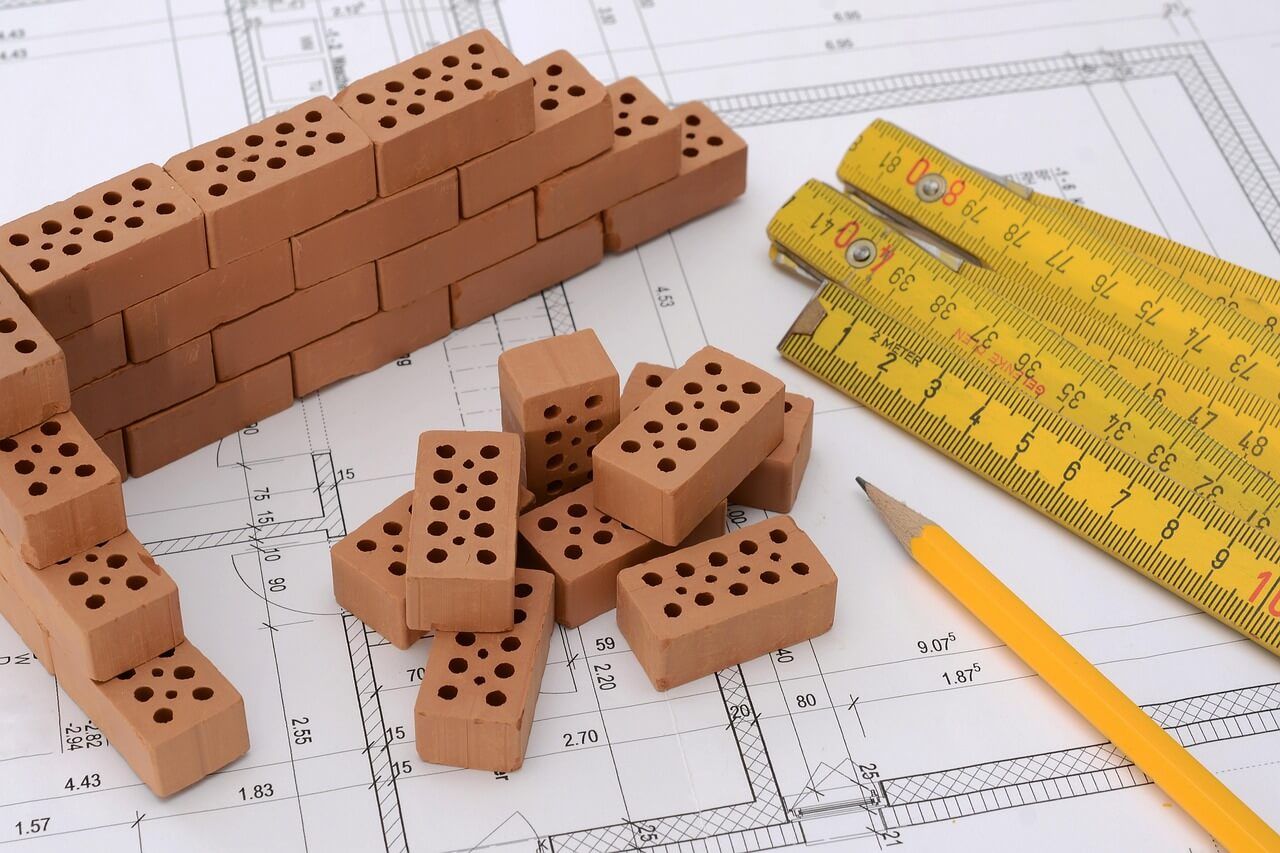
What is the principle behind it? Assembling a model allows kids to learn knowledge through construction. As they create or manipulate parts of a model, they repeat key concepts in a tactile and active way.
When they place a part or adjust a design, it becomes a part of a learning cycle. It allows knowledge and concepts to be retained.
Note: According to EBSCO, a provider of research databases and e-journals, around 15% of individuals learn best through kinesthetic memory.
How are the kinesthetic learner study strategies related to models?
- To study geometry, create 3D models of cones, pyramids, or cylinders using paper or clay. A kid can strengthen spatial understanding if they measure edges and angles while assembling.
- Ask kids to create a diorama or a small scene that refers to the main event, key characters, and plot of the book they read or story they created.
- Use recycled items to build a mini ecosystem explaining a science or biology topic, for instance, a food chain or water cycle.
- For geography, create landforms, studying types of land, mountains, and rivers.
Note: What are some good kinesthetic learner study tips? To reinforce learning, ask a hands on learner to revisit the model after some time and explain parts or rearrange pieces.
Conclusion: Which strategy is best for kinesthetic learners?
It’s hard to name the best kinesthetic strategy. Yet, role-playing, drawing, creating models, and connecting learning to real-world problems are among the most effective kinesthetic strategies.
To fully grasp new concepts, the hands on learners need to move, touch, and experience them. That’s why you can’t forget about acting out, using manipulatives, and leveraging games. That’s what maintains their level of focus and engagement.
Yet, if you need a more practical and universal solution, think of resorting to an experienced tutor. Book free lesson to try Brighterly!


What is creative writing for kids? A way to use imagination, express feelings, and just have fun? Often, it’s all at once. Read on to discover more about its benefits for kids and learn how to improve creative writing skills at home. Key points Creative writing helps children build imagination, confidence, and language and communication […]

Dec 21, 2025
Today, we’re pleased to introduce Amelia Jimenez, a passionate, curious, and determined student who became our next Brighterly Math Equity Scholarship awardee. Amelia Jimenez — the winner of the Winter Brighterly Math Equity Scholarship! Amelia is currently in the 8th grade, a period when math becomes more complex, stress increases, and kids are actively preparing […]

Dec 23, 2025
Math & reading from 1st to 9th grade
Looking for homework support for your child?
Choose kid's grade

Math & Reading for Grades 1–9
Build real confidence for your child with a Brighterly math or reading tutor.






![Miacademy Reviews: Is It Worth It? [2026]](https://brighterly-stage.xyz/wp-content/uploads/2025/08/Miacademy-reviews-main-360x200.png)