What is radius of a circle? Definition, Formula, and Examples
reviewed by Jo-ann Caballes
Updated on August 4, 2026
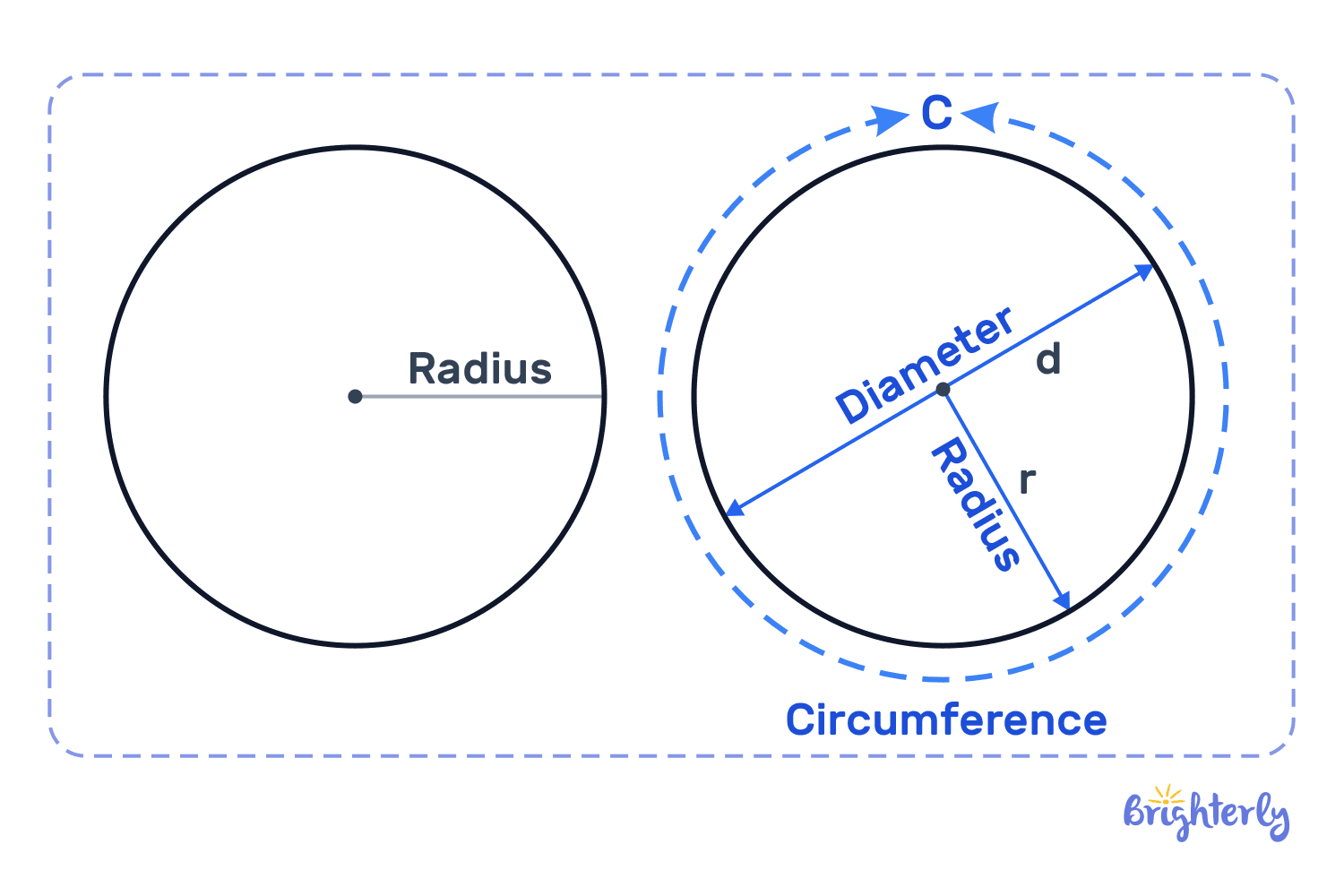
The radius of a circle is the distance from the center of the circle to any point on its edge (the circumference). It is usually written as r, and every radius of the same circle has exactly the same length. The radius determines the circle’s size, area, and circumference.
Circles come up throughout geometry, so a solid grasp of the radius pays off for years. If your child needs a hand connecting the radius to area and circumference, a Brighterly geometry tutor can walk them through it step by step.
What Is the Radius in Geometry?
In geometry, the radius is the straight-line distance from the center of a circle to its perimeter. It is exactly half the diameter, since the diameter is a line through the center that touches the circle on both sides. Every day, radii are all around us — the spoke of a bicycle wheel and a slice cut from the center of a pizza both trace a radius.
Expert Math Tutors for Every Level
Connect with professional and certified educators who provide specialized support for every grade level, from elementary school basics to advanced algebra
How Is the Radius Related to the Diameter?
The radius is half of the diameter. Because the diameter passes straight through the center and reaches the circle on both sides, it equals two radii. So diameter = 2 × radius, and radius = diameter ÷ 2. This is the quickest of all the radius formulas to use.
What Are the Formulas for the Radius of a Circle?
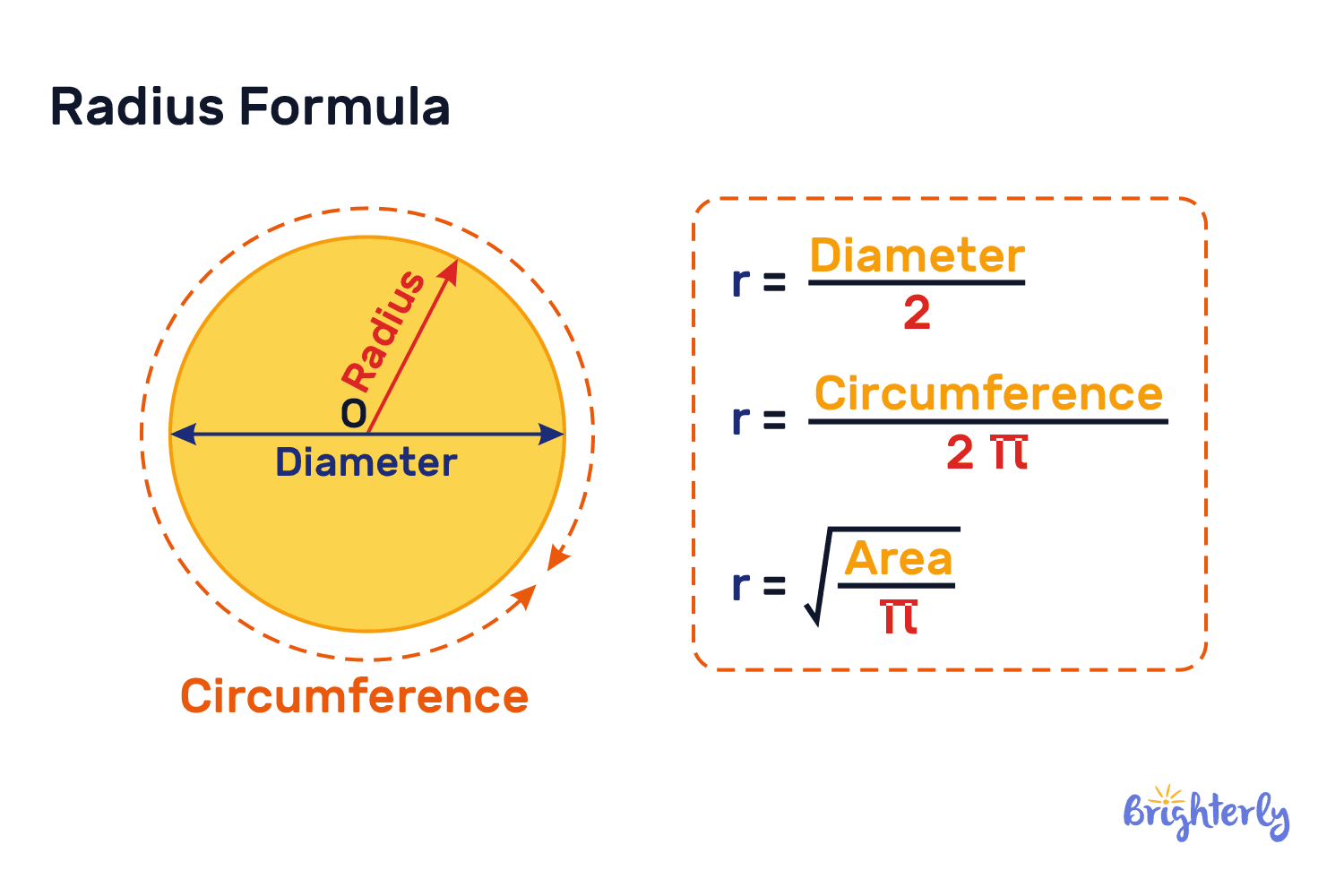
There are three standard ways to find a radius, depending on what you already know: the diameter, the circumference, or the area. The table below gives the formula for each case (π ≈ 3.14159).
| If you know the… | Radius formula |
| Diameter (d) | r = d ÷ 2 |
| Circumference (C) | r = C ÷ (2π) |
| Area (A) | r = √(A ÷ π) |
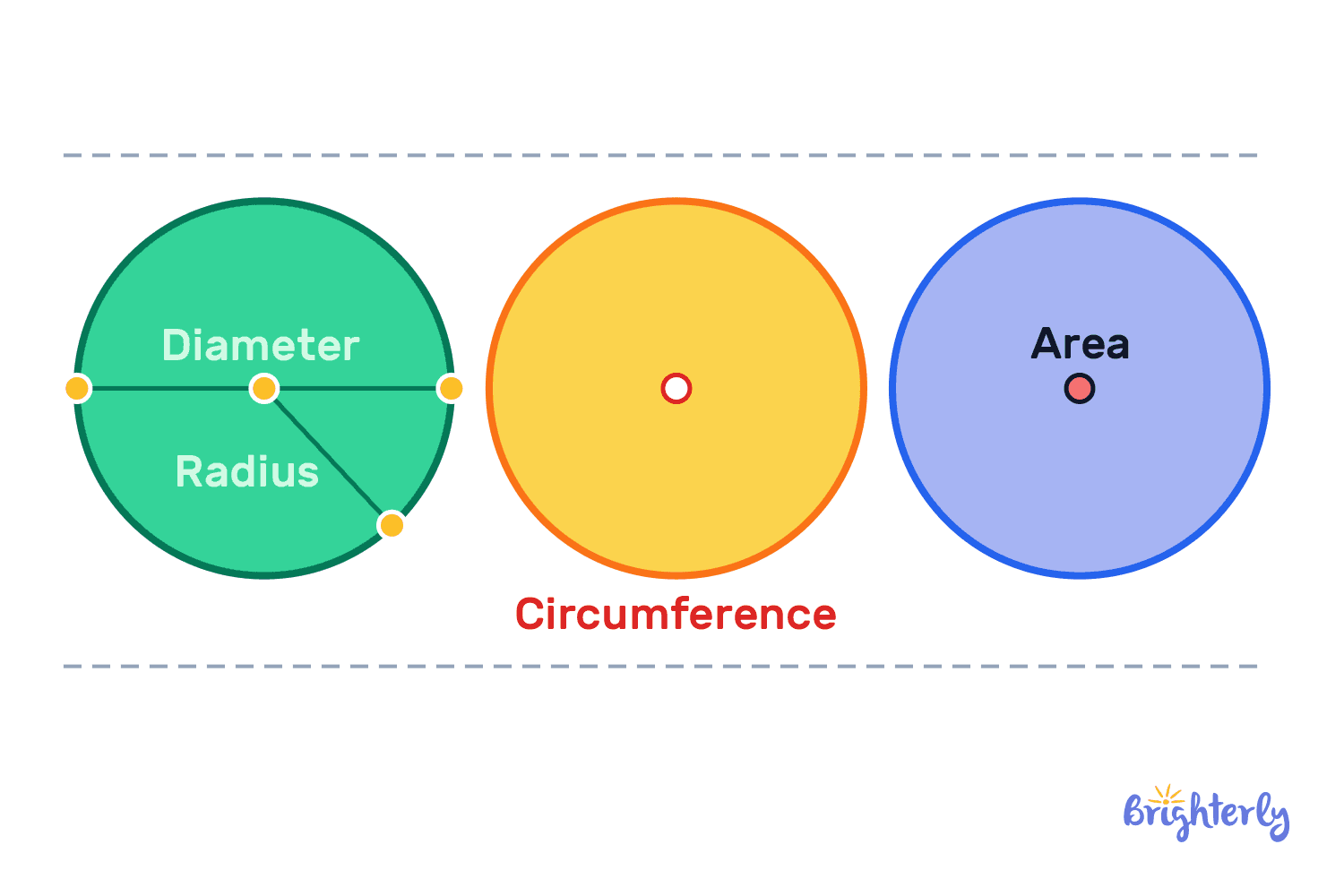
These formulas are the reverse of the ones used to find the area of a circle: if you can find a radius, you can find almost any other measurement of the circle.
How to Find the Radius of a Circle
Pick the formula that matches the information you have, then substitute and solve:
- If you know the diameter, divide it by 2. Example: a diameter of 14 cm gives r = 14 ÷ 2 = 7 cm.
- If you know the circumference, divide it by 2π. Example: C = 12.56 gives r = 12.56 ÷ 6.28 = 2.
- If you know the area, divide it by π and take the square root. Example: A = 78.5 cm² gives r = √(78.5 ÷ 3.14) = √25 = 5 cm.
Why Is the Radius Important?
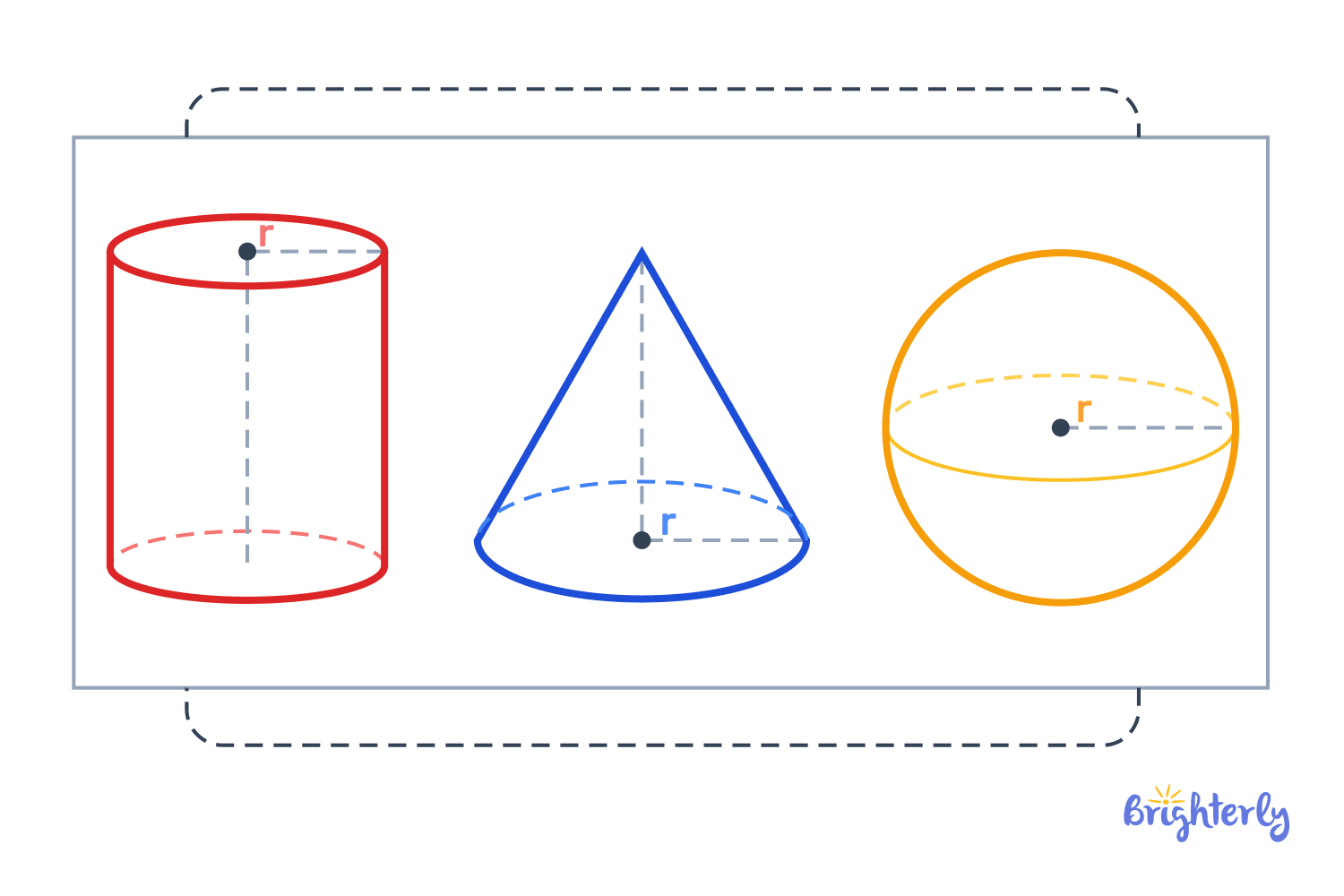
The radius matters because it defines a circle’s entire size. Once you know the radius, you can calculate the diameter (2r), the circumference (2πr), and the area (πr²). Almost every circle formula depends on the radius, which is why finding it is usually the first step in any circle problem.
The Equation of a Circle Using the Radius
A circle can also be described by an equation using its radius and center. For a circle centered at point (h, k), the equation is (x − h)² + (y − k)² = r², where r is the radius and (x, y) is any point on the circle. If the right-hand side equals 25, for example, then r² = 25 and the radius is √25 = 5.
Solved Examples on the Radius of a Circle
Example 1: A circle has a radius of 7 cm. Find its diameter. Using diameter = 2 × radius, the diameter is 2 × 7 = 14 cm.
Example 2: A circle has an area of 78.5 cm². Find its radius. Using r = √(A ÷ π), r = √(78.5 ÷ 3.14) = √25 = 5 cm.
Example 3: A circle has a circumference of 12.56. Find its radius. Using r = C ÷ (2π), r = 12.56 ÷ 6.28 = 2.
Radius of a Circle Practice Problems
Radius and Circle Worksheets
Put this into practice with related Brighterly worksheets:
- Parts of a circle worksheets
- Circle worksheets
- Area of a circle worksheets
- Area and circumference of a circle worksheets
Frequently Asked Questions About the Radius of a Circle
What Is the Radius of a Circle?
The radius of a circle is the straight-line distance from its center to any point on its edge. It is commonly written as r. Every radius in the same circle has the same length, and the radius is exactly half of the diameter. Knowing the radius lets you calculate the circle’s area and circumference.
Is the Radius Half of the Diameter?
Yes. The diameter is a straight line that passes through the center and touches the circle on both sides, so it equals two radii. That means the radius is always half the diameter: radius = diameter ÷ 2. For example, a circle with a 10 cm diameter has a 5 cm radius.
How Do You Find the Radius From the Circumference?
Divide the circumference by 2π. The formula is r = C ÷ (2π), where C is the circumference and π ≈ 3.14. For example, if the circumference is 18.84, then r = 18.84 ÷ (2 × 3.14) = 18.84 ÷ 6.28 = 3. This works because circumference = 2πr.
How Do You Find the Radius From the Area?
Divide the area by π and take the square root: r = √(A ÷ π). For example, if a circle’s area is 50.24 cm², then r = √(50.24 ÷ 3.14) = √16 = 4 cm. This formula reverses the area formula A = πr², which is why the square root appears.
Is the Radius the Same as the Circumference?
No. The radius is a straight line from the center to the edge, while the circumference is the total distance around the outside of the circle. They are related through the formula circumference = 2πr, but they measure different things. The circumference is always much longer than the radius.


Math & reading from 1st to 12th grade
Looking for homework support for your child?

Choose kid's grade

Math & Reading for Grades 1–12
Build real confidence for your child with a Brighterly math or reading tutor.