High Frequency Words: Why They Matter and How Your Child Can Master Them?
reviewed by Marvi M. Andres
Updated on February 3, 2026

Some of the smallest words make the biggest difference, and these are high frequency words. This guide explains their different types and how learning them makes reading less tiring and more fun. Plus, you’ll find some tips on how you can support reading growth at home and beyond.
Key points
- High frequency words are the most common words in English.
- Mastering them helps kids read up to 75% of the text in beginner books.
- Using a mix of worksheets, multi-sensory tools, and fun games at home keeps learning high frequency words enjoyable.
- Platforms like Brighterly offer 1-on-1 expert instruction and reading tests to identify your kid’s specific needs and help them close learning gaps quickly.
What are high frequency words?
High frequency words are those appearing most often in print materials and everyday speech. They include common words like the, and, of, and it. Because they pop up everywhere, learning to recognize them instantly helps kids read without trouble.
Types & examples of high frequency words
Decodable high frequency words
Decodable high frequency words follow standard phonetic rules. It means that each letter represents its most common sound. Some high frequency words examples include in, can, up, and not.
Teaching kids to blend individual sounds in such words instead of memorizing the word shape strengthens their phonemic awareness. Once they master it, they’ll be able to apply the same decoding patterns to thousands of other regular English words.
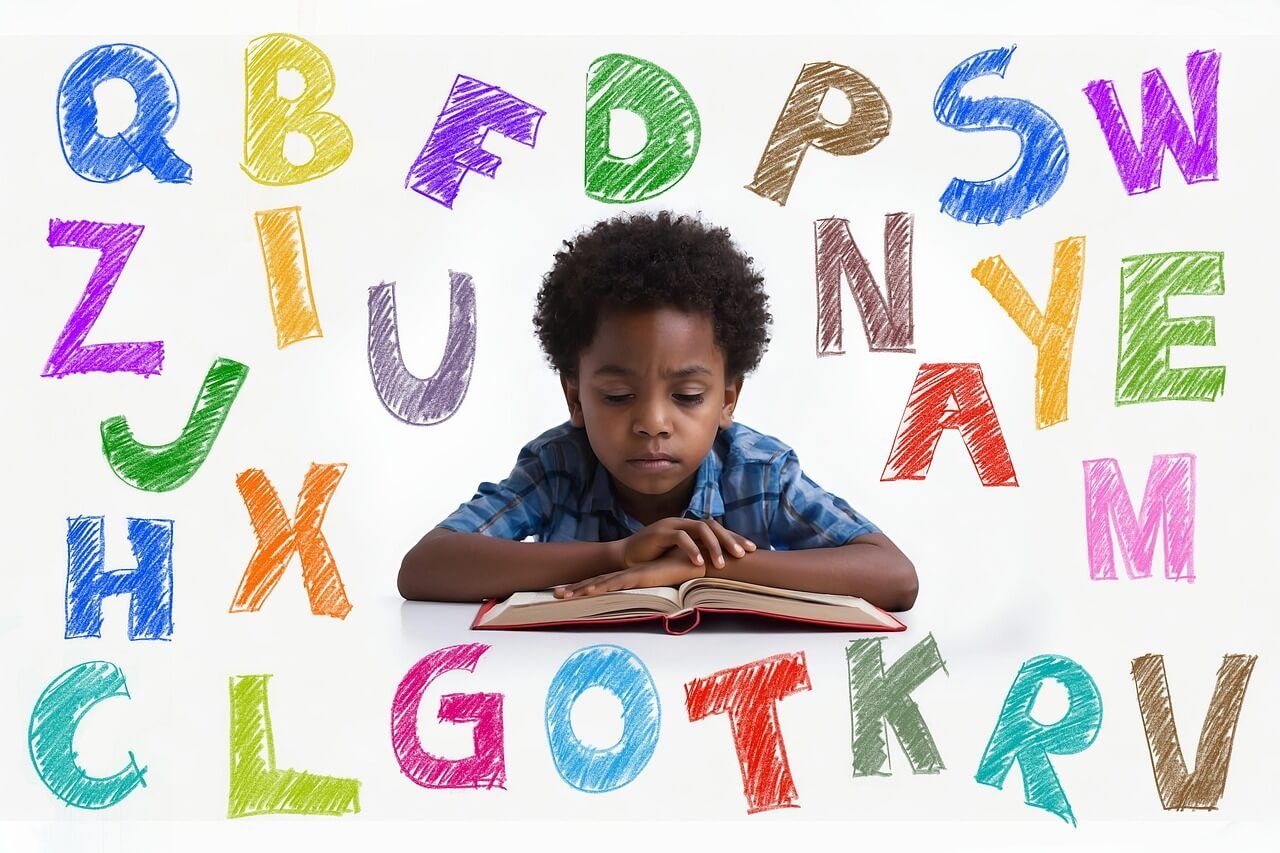
Irregular high frequency words
Irregular high frequency words contain letter combinations that don’t match the standard phonics patterns taught in early literacy. For instance, some high frequency irregular words are said, was, they, have, what, etc.
Such words often retain older English language spellings or pronunciations that have shifted over time. Because these words appear frequently in beginner texts yet can’t be fully decoded using basic phonetic rules, they require targeted practice and frequent repetition.
High frequency heart words
The ‘heart word’ method is a practice used to teach high frequency words with irregular spellings, in particular those that aren’t fully decodable. This approach requires a child to use their phonics knowledge for the parts of the word that follow standard rules and specifically identify those parts that don’t.
For example, in the word they, the th is a regular sound, but the ey is the ‘heart part’ that is spelled irregularly and which beginning readers must learn by memory. That way, the total memorization load reduces, and a kid’s attention focuses on specific letter-sound mismatches.
How to teach high frequency words? 5 ways that will work for your kid
- Addressing a tutor’s help
- Using reading worksheets
- Word mapping and sorting
- Employing multi-sensory techniques
- Playing high frequency words games
Teaching high frequency words with a tutor’s help
Best for: Kindergarten – 3rd grade, or older kids who are struggling with reading gaps or dyslexia.

Reading tutors provide your kid with personalized instruction and one-on-one attention. They identify exactly which high frequency words activities your child responds to best and adjust every lesson accordingly, and to your kid’s specific pace.
Besides, tutors employ systematic and evidence-based programs to move your child from simple decoding to automatic word recognition. Such professional guidance is especially helpful if your child feels frustrated or overwhelmed by reading at home. Plus, the consistent and expert feedback is precisely what enhances the overall development of literacy skills.
Note: Brighterly tutors are trained to recognize different types of learning styles in children. Be it through physical movement or visual aids, the tutor can adjust their teaching methods individually to your child.
Why seek help at Brighterly?
The Brighterly reading program provides a structured way for your child to master literacy through a 1-on-1 online format. This platform employs proven methods to help students learn high frequency words 1st grade and beyond, moving from basic word recognition to full reading fluency. This program was developed to be fully aligned with US state standards and, therefore, match what’s expected in American classrooms.
The Brighterly math and reading platform was also built to be accessible for busy families. The program begins with a free diagnostic test to find your child’s current level. Based on test results, once the learning plan is customized to your kid’s goals, you start with lesson packages at $17.30 per session (considering the discount on their site). Moreover, you’ll receive detailed progress reports each month!


Check the basics behind this term
Take our quick quiz to discover the perfect learning solution based on your child’s needs.
Mastering high frequency words through worksheets
Best for: Kindergarten – 3rd-grade students who are building their initial reading vocabulary.
Worksheets provide a visual way for your kid to interact with new words. They involve activities like tracing, writing, and identifying words within short sentences. When kids physically write the letters and see the words in different contexts, they strengthen their memory and learn to recognize these words instantly.
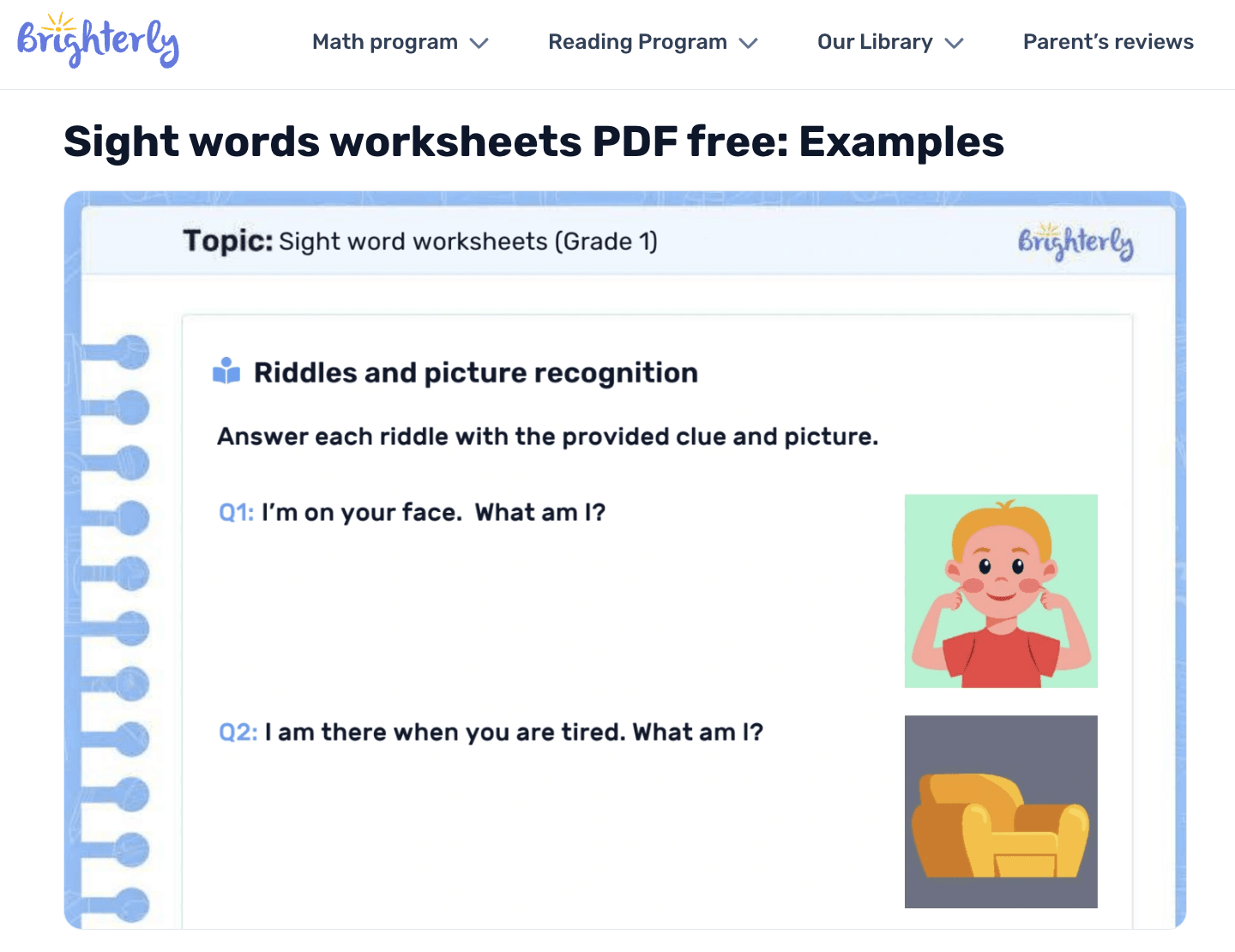
How to teach high frequency words list with Brighterly’s worksheets
If you are looking for high-quality resources, Brighterly offers a wide variety of free printable materials designed specifically for young readers. Their reading worksheets are categorized by grade level and skills (like phonics or sight word worksheets). These pages often include fun activities, such as ‘color by word’ or word searches.
Note: To get the most out of these tools, you may also use Brighterly’s free reading tests. Once you have the results, you can print out the specific worksheets that exactly match your child’s needs.
High frequency word learning via word mapping and sorting
Best for: Kindergarten – 2nd-grade students who are beginning to connect sounds to letters, as well as older students who struggle with spelling.
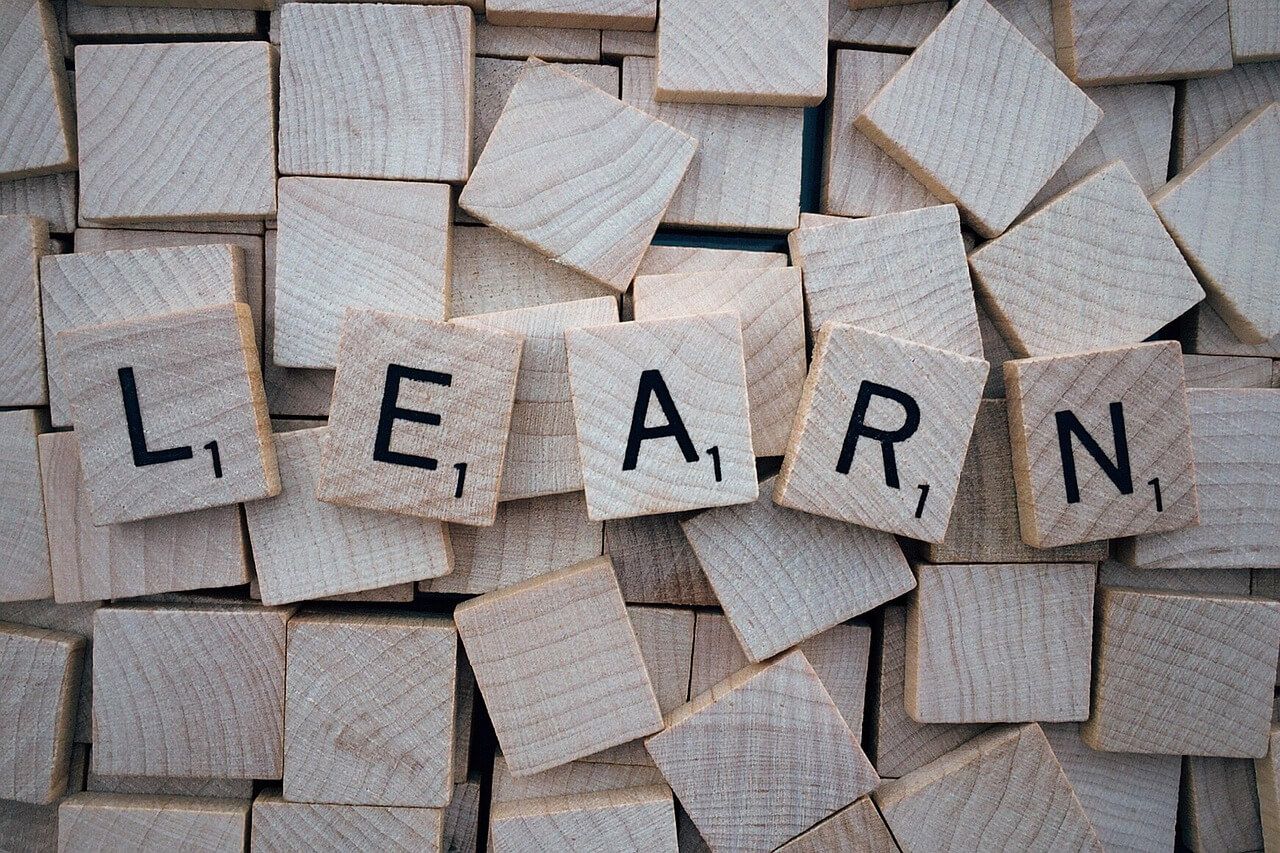
Word mapping and sorting entail learning to ‘map’ the word by breaking it down into its individual sounds. Sorting takes it a step further by having kids group words together based on patterns. For example, words that end in ‘-at’ or those starting with ‘sh.’
This method is a big part of the science of reading high frequency words because it helps the brain create a permanent ‘map’ of the word’s spelling and sound.
How to use word mapping and sorting
- Map the sounds. Pick a word like ‘said.’ Ask your child how many sounds they hear (s-e-d). Draw three boxes on a piece of paper and have them place a penny or a button in a box for each sound. Then, talk about which letters make those sounds. For ‘said,’ you can explain that the ‘ai’ is a ‘tricky’ part because it makes the /e/ sound.
- Sort by pattern. Give your kid a small stack of word cards. Ask them to sort the cards into piles based on a specific rule. For example, ‘Find all the words that have a silent ‘e’ at the end’ (like make, like, home).
- Hunt for matches. After sorting, let your child read the words in each pile aloud. It should help them notice that many ‘tricky’ words actually follow the same rules.
Check the basics behind this term
Take our quick quiz to discover the perfect learning solution based on your child’s needs.
Mastering a list of high frequency words with multi-sensory techniques
Best for: Active learners in Pre-K – 3rd grade, and any kid who finds traditional flashcards boring.

Multi-sensory learning involves engaging a child’s sense of touch, hearing, and movement – all at once. When a kid sees a word, says it out loud, and ‘feels’ the letters through a physical activity, their brain builds multiple pathways to remember that word, especially for long-term memory.
How to apply ‘read, spell, write’ techniques
- Arm tapping. Let your kid hold one arm out straight. When looking at a word card, they ‘tap’ each letter down their arm with their other hand as they say it (e.g., tap ‘T,’ tap ‘H,’ tap ‘E’). Then, sweep their hand from shoulder to wrist while saying the whole word (‘THE’).
- The messy tray. Fill a shallow tray or cookie sheet with a thin layer of salt, sand, or even shaving cream. Have your child use their pointer finger to write the word in the tray while saying the name of each letter out loud.
- Air writing. Use big arm movements! Let your kid pretend their finger is a paintbrush and ‘paint’ the word in the air using their whole arm.
Note: The goal is to build muscle memory. Therefore, try picking just two ‘tricky’ words a day to practice with these movements. A little bit, but every day.
Playing high frequency words games
Best for: Pre-K – 2nd-grade students with a lot of energy and fond of learning through movement and social interaction.
Playing specific games makes your kid interact with words in a fun, competitive, or creative way. When children are laughing and moving, their brains are more relaxed and open to absorbing new information.
How to learn spelling high frequency words while playing games
- Word Scavenger Hunt. Hide flashcards around the room. Call out a word and have your child ‘hunt’ for it. Once they find it, let them jump three times while spelling the word aloud to move to the next round.
- Word Bingo. Create a simple 3×3 grid with different high frequency words in each square. Read the words out loud, and have your child cover the matching word with a snack (like a goldfish cracker or a grape). Once they get three in a row, they get to eat the treats! 😊
- Flashcard ‘Park’. If your kid loves toy cars, line up word cards like parking spots. Ask them to ‘park’ their favorite car on the word said or with. Before they move to the next spot, let them spell the word to, like, ‘pay for parking.’
Note: Keep the games short and sweet. Ending a game while your kid is still having fun (usually after 10 or 15 minutes) ensures they’ll be excited to play again the next time.
High frequency word list: Dolch and Fry words
When you start figuring out what is a high frequency word and what lists exist out there, you’ll likely come across two famous names – Dolch and Fry. These are the two most common lists used by teachers in American schools to track which words kids should know by heart.
Dolch high frequency words |
Fry high frequency words |
|
| List | Created in the 1930s, it includes 220 ‘service words’ (like and, the, and is) and a separate list of 95 nouns. | First collected in the 1950s (and updated in the 1980s), it contains 1,000 words! They are ranked in order of how often they appear in all types of reading. |
| Goal | These words are usually broken down by grade level, from Pre-K to 3rd grade. The idea is that these words make up 50% to 75% of all the text your kid will see in their early school years. | These are broken down into groups of 100. The ‘First 100’ are the most important for a beginning reader to know, because they make up about half of everything we read in the English language. |
Sight words vs high frequency words: Are they the same?
While many people use these terms interchangeably, they aren’t exactly identical. High frequency words refer to the most common words in English, based on how often they appear in print. Sight words are any words a kid recognizes instantly without needing to sound them out.
The answer to the question, ‘Are high frequency words the same as sight words?’, lies in considering a goal versus a result.
- High frequency words are the ‘What’. These are the specific words found on lists like Dolch or Fry. Some are easy to sound out (like ‘in’), while others have ‘tricky’ spellings (like ‘was’).
- Sight words are the ‘How’. It describes a child’s ability to see a word and know it immediately. And a sight word can be anything! If your kid, for example, loves dinosaurs and knows the word ‘T-Rex’ just by looking at it, that’s a sight word for them, even though it isn’t a high frequency word.
The ultimate goal of reading instruction is to turn those high frequency sight words into permanent memories. When a kid doesn’t have to stop and decode ‘where’ or ‘there,’ they have more ‘brain power’ left over to understand the meaning of the story.
Note: If your kid seems to forget a word they knew yesterday, don’t get discouraged! It’s a normal part of the learning process. Check out the tips on building long-term memory in this guide on how to teach sight words.
Why are high frequency words important?
Since high frequency words account for up to 75% of the text in children’s books, recognizing them instantly allows your kid to read smoothly without stopping to sound out every single word. Hence, they’re important for kids to avoid choppy reading and help focus on what the story is actually about.
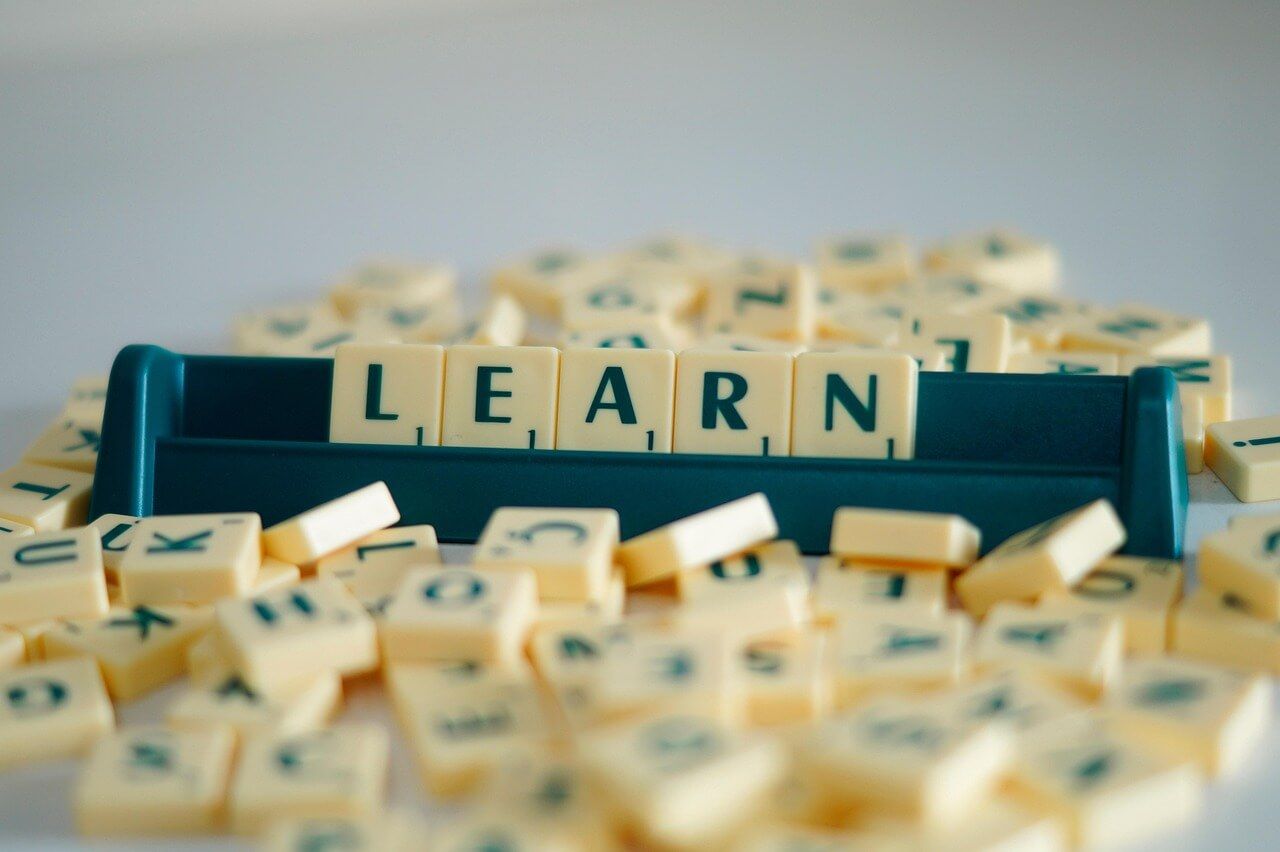
So small words yet carry so much weight! If we once again have a look at the high frequency words definition – i.e., words that appear most often in our written and spoken language – we’ll realize they are everywhere!
Boosting reading fluency
Fluency is the ability to read with speed, accuracy, and proper expression. When a kid can look at a word like ‘because’ or ‘there’ and know it instantly, they don’t get stuck. No more ‘reading fatigue,’ where a child gets so tired of decoding sounds that they want to give up.
Guiding toward better comprehension
How will you react to trying to watch a movie where the screen freezes every five seconds? You’d lose track of the plot, right? That’s almost the same as what reading is like for a kid who hasn’t mastered high frequency words. Recognizing them on sight frees their brain to think about the meaning of the sentence.
Improving writing and spelling
Once mastered, your kid will start to use them more naturally in their own writing. They won’t have to ask ‘How do you spell friend?’ every time they write a letter, for instance. Expressing their ideas will certainly become much more fun and less frustrating.
Note: You’ll start noticing high frequency words everywhere! On cereal boxes, street signs, and even in your text messages. Pointing them out in the ‘real world’ shows your kid that what they are learning is actually a superpower they can use every day.
Conclusion
Regardless of what you choose – fun games at home, colorful worksheets, or multi-sensory tools – always remember to keep the learning experience positive and encouraging!
For a more structured and easier process, though, Brighterly is always ready to care for:
✅ Learning that fits your child – i.e., a customized plan that focuses exactly on the words they need to master next.
✅ Expert and friendly tutors who know how to keep kids engaged and excited.
✅ Convenience for parents – high-quality instruction and fitting perfectly into your family’s schedule.
✅ Proven results – i.e., real progress through regular reports.
You can book free reading lesson to first get a clear picture of your kid’s current level, and decide for yourself afterward.

If you’re exploring learning platforms for your child, you may be looking at options like Cuemath vs Mathnasium. As a highly qualified tutor in math, I understand how important this decision is and what makes a good educational service for your child. To help you make your decision, I am going to be comparing the […]

Jan 30, 2026

Looking for something more than Brilliant.org in 2026? While Brilliant is great for self-paced learning, many kids need a more personalized and interactive approach. In this article, I, as a teacher and educational platform reviewer, share top 10 Brilliant alternatives that can help your child achieve high learning results. There’s something here for everyone, so […]

Feb 01, 2026
Math & reading from 1st to 9th grade
Looking for homework support for your child?

Choose kid's grade

Math & Reading for Grades 1–9
Build real confidence for your child with a Brighterly math or reading tutor.