How to Teach Shapes to Kids: Methods & Activities That Work
reviewed by Laila A. Lico
Updated on December 25, 2025
I’ve spent years helping kids explore the world around them. And I know how to teach shapes in ways that feel fun and natural. This is how you, too, can use everyday objects, games, and applied activities to help your kid learn shapes and enjoy every step of the process.
Key points
- Use everyday objects around the house and outside to point out shapes (clocks, books, windows, and pizza slices).
- Interactive activities help kids remember shapes (playdough, foam blocks, tracing in sand or flour).
- Repeat shape words casually throughout the day. Short reminders help children learn shapes naturally and without pressure.
- Keep lessons short, fun, and interactive. Kids learn best when they play, explore, and touch shapes themselves.
- To combine creativity with shape recognition and reasoning skills, use building, drawing, and DIY activities at every grade level.
How to teach shapes to preschoolers?
- Make introducing shapes to preschoolers simple and playful.
- Use real objects, short activities, and lots of repetition.
- You may name shapes during everyday routines.
- Let kids touch and sort items.
- Remember to focus only on basic shapes like circles, squares, triangles, and rectangles.
Preschoolers learn best through movement and touch. That’s why real-life experiences in this age are perfect to introduce shapes in a natural and gentle way.
Set off by pointing out shapes around the house or outdoors. For example, a clock becomes a circle. A book looks like a rectangle. Or, a slice of cheese can be a triangle. Kids love when learning feels connected to daily life.
How do you start teaching shapes?
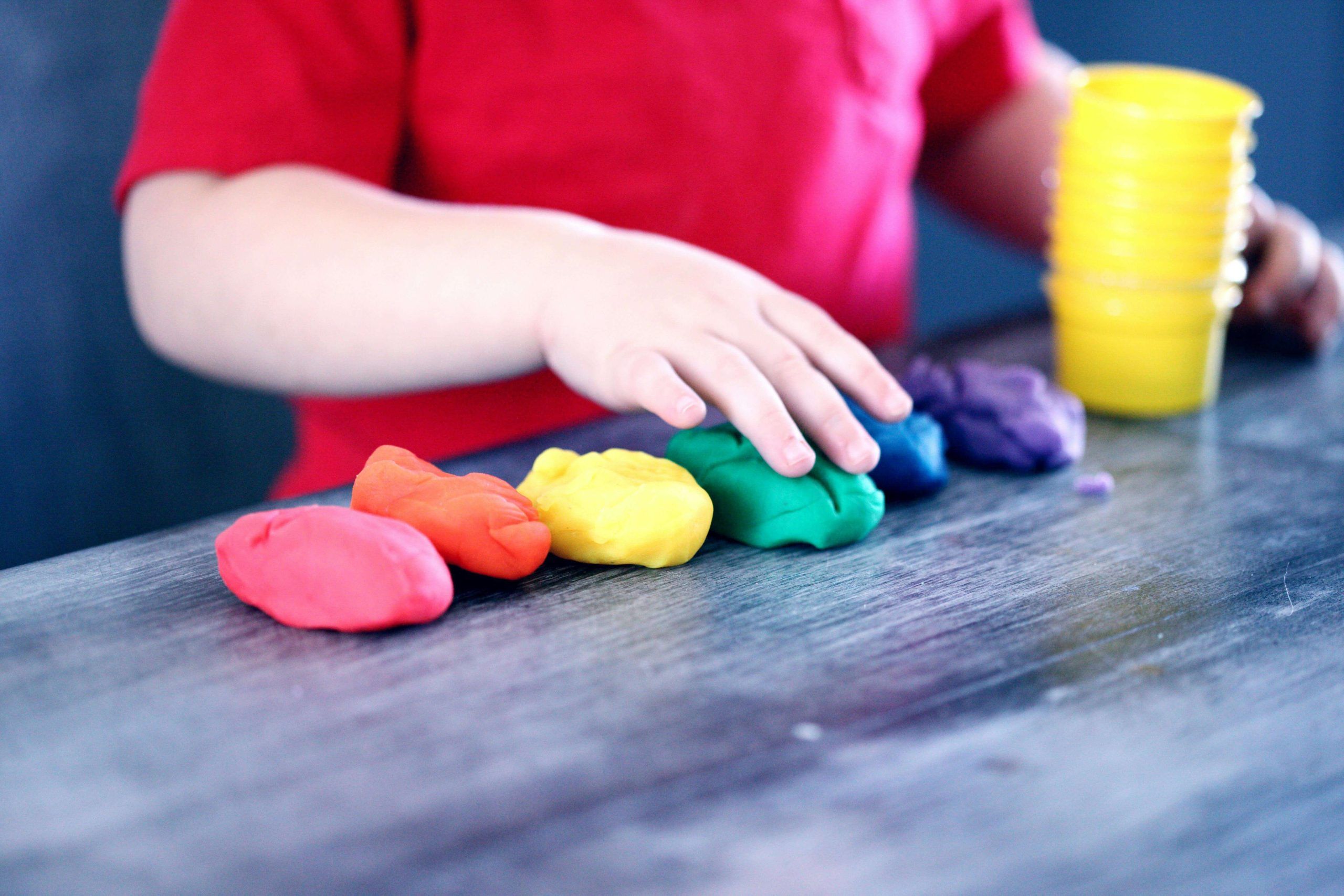
Try simple sorting games first – put several at-home items on the table and encourage your child to group things with the same shape. Interactive play is also important for preschool learning – make playdough shapes together or build foam blocks. Another option is tracing shapes in sand, shaving cream, or flour. Such sensory activities help kids remember shapes more easily. It’s because they’re using both their hands and their eyes.
I also highly recommend that you repeat shape words casually throughout the day. Short and frequent reminders help preschoolers learn naturally.
Note: No need to strive for perfect accuracy at this age. Just help them notice similarities and differences. And always keep your tone relaxed and positive.
Basic shapes for preschool
Kids at this age are just starting to notice patterns, lines, and curves. Most preschoolers can comfortably learn four shapes. Those are circle, square, triangle, and rectangle. They are pretty easy to spot in everyday life. It’s also easy to draw and name them.
Circles |
 |
Kids see them everywhere: plates, clocks, and even faces. Circles help kids understand curves and round edges. |
Squares |
 |
Due to squares, kids notice equal sides. Toys, napkins, sticky notes, and many snack containers make perfect square examples. |
Rectangles |
 |
Rectangles teach preschoolers that some shapes have longer sides and shorter sides. Although it’s an early math idea, kids learn it naturally. E.g., by comparing at-home objects (books, cereal boxes, doors, etc.). |
Triangles |
 |
It’s the most challenging of the four basic shapes. So keep it simple for kids. Focus on the three straight sides and pointy corners. Speak of pizza slices, sandwich halves, and roof shapes. |
Remember that learning shapes for preschoolers should result in recognizing these four basic shapes when they show up in everyday life. Don’t bother about perfectionism or details. At this age, all that’s needed is for these shapes to feel familiar and fun.
How to teach shapes to kindergarteners?
To teach shapes to kindergarteners, help kids notice sides, corners, and real differences between shapes. You may use simple drawings and try-it-yourself building. Matching games and short conversations about what makes each shape special are good, too.
Kindergarten is the stage when children move from naming shapes to describing them. They’re ready to notice details like straight vs. curved lines or how many corners a shape has. Or, say, why some shapes look similar but are not the same. That’s why, when teaching shapes at this age, I recommend to keep lessons friendly and short.
Review the basic shapes your child already knows. Then introduce new ones that kindergarteners can handle. I mean, oval, rhombus (diamond), and sometimes trapezoid. You don’t need to use complicated math words, though. Simple phrases like ‘longer on one side’ or ‘kind of like a stretched circle’ work just as great.
Drawing shapes together is super supportive. For instance, ask your child to draw a shape. Then talk about it: ‘How many corners does it have?’ ‘Which sides look the same?’ Kids love showing what they notice!
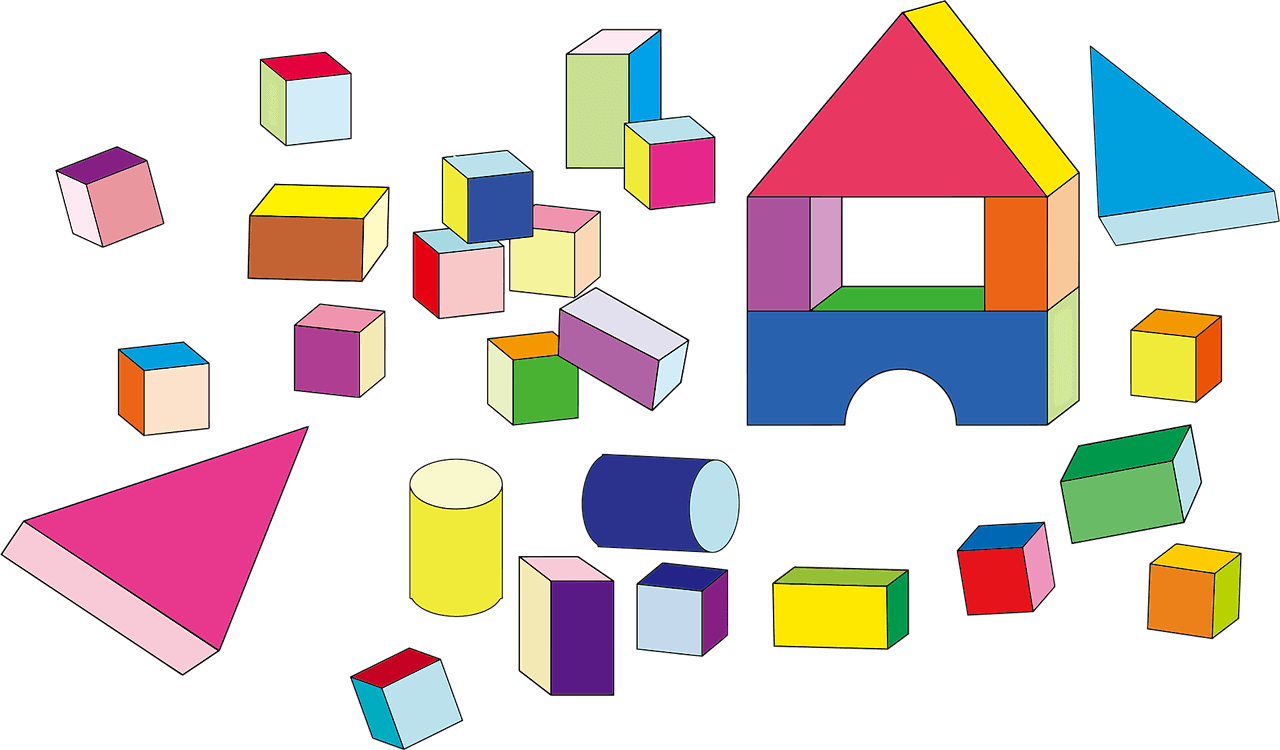
To let kids make their own shapes, use building toys. Those are blocks, magnetic tiles, or craft sticks. When they build something, they naturally explore sides and angles without even realizing it.
Different shapes for kids should be mixed into everyday life. For instance, point out a diamond-shaped road sign. Or, pay their attention to a rectangular window. Kids remember shapes best when they see them in real places.
Note: A 2019 review of 448 studies found that kids with involved parents showed higher further academic achievement, school engagement, and motivation.
How to teach shapes in grade 1?
To teach shapes in grade 1, you may…
- Help kids spot correct and incorrect examples of shapes,
- Explore open vs. closed shapes,
- Put smaller shapes together to make new ones,
- Explain their reasoning.
Short hands-on tasks and simple questions work best at this age.
| Focus area | What kids learn in grade 1 | Shapes activity for grade 1 |
Correct & incorrect shapes |
|
Show two shapes (one correct and one slightly off). Ask, ‘Which one is the real square?’ |
Open vs. closed shapes |
|
Draw a triangle or rectangle with a small gap. Ask, ‘Is this still a shape? Why or why not?’ |
Building new shapes |
|
Use paper cutouts or pattern blocks. Ask them to make a new shape from two triangles or two rectangles. |
Shape fixing & checking |
|
Give your child a partly drawn shape. Ask them to complete it the right way. |
Explaining thinking |
|
Ask questions like, ‘How did you know these pieces fit?’ or ‘What makes this one a rectangle?’ |
Prep for grade 2 |
|
Keep first grade shapes lessons short and fun. The more DIY-style they are, the better. |
How to teach kids shapes with Brighterly?
First and foremost, Brighterly offers fascinating math classes. They make learning shapes and geometry really exciting! Kids explore shapes through interactive exercises and experiential activities. Plus, real-life examples help them connect math concepts to everyday experiences.
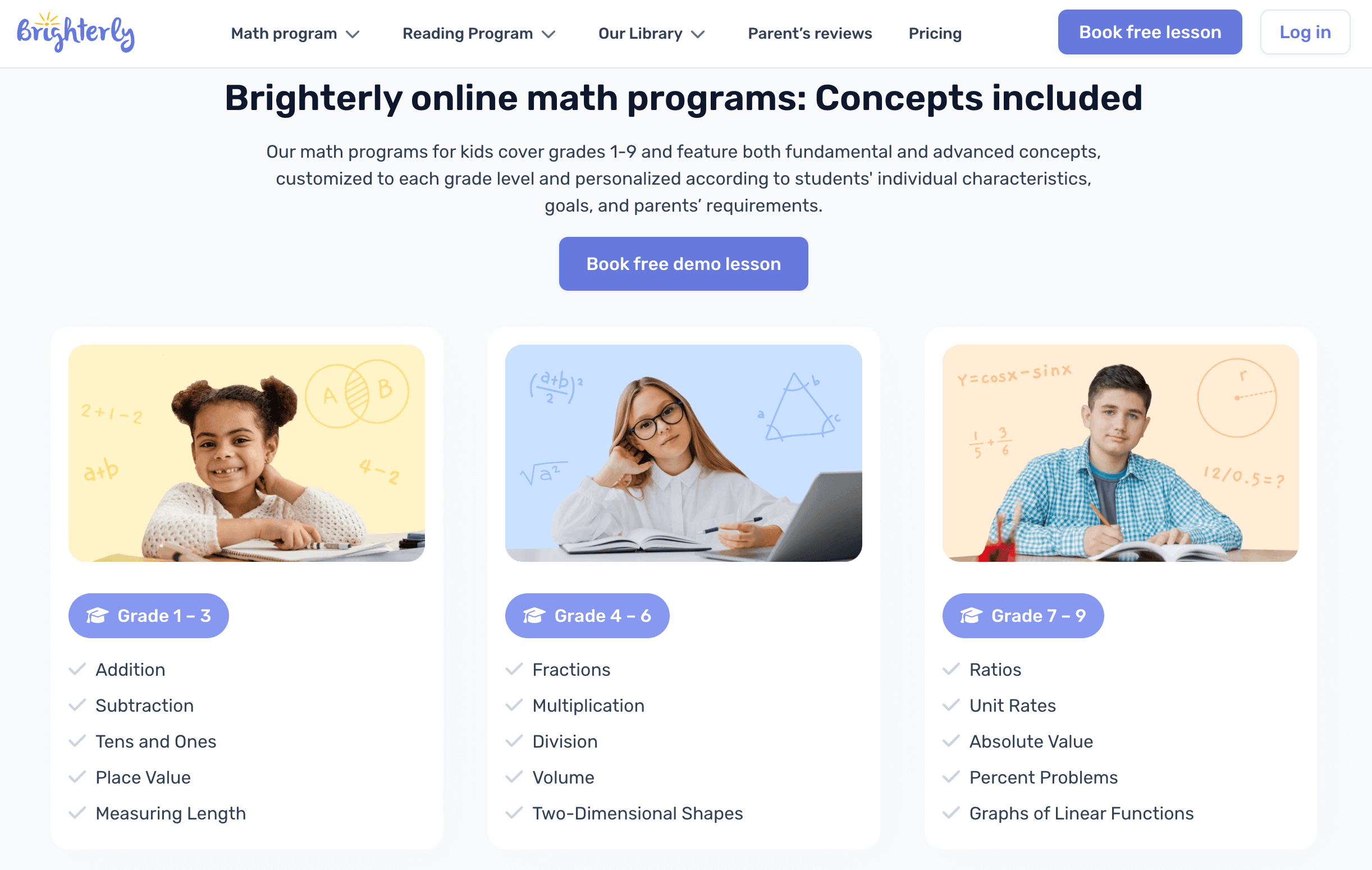
The Brighterly math program adapts to each child’s age and skill level. Younger children focus on basic shapes and patterns. On the other hand, older kids discover symmetry, angles, and combining shapes to create designs. Every lesson encourages curiosity and confidence.
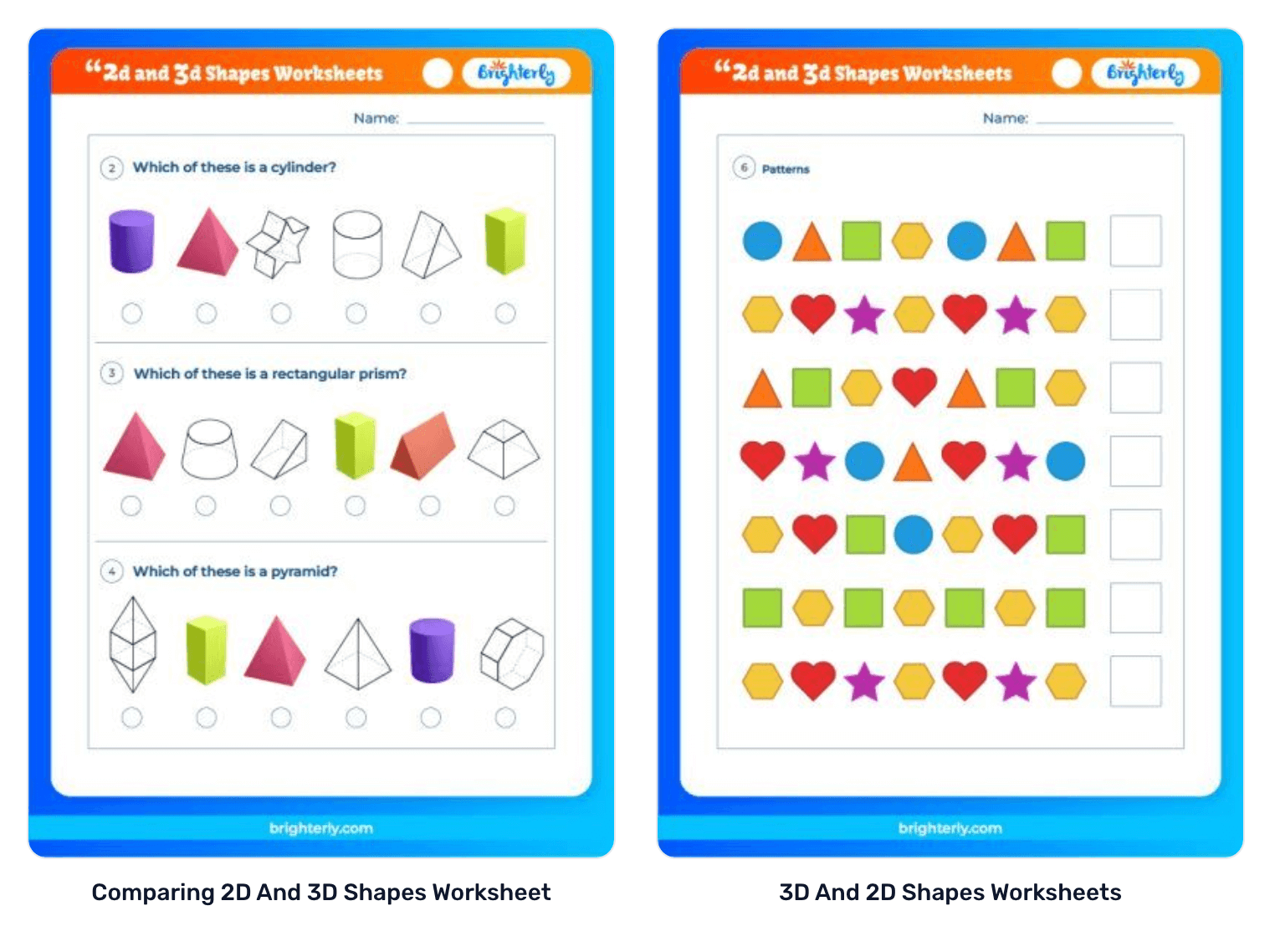
Besides, children, in particular, use worksheets to teach properties of 2D shapes. These worksheets guide kids in identifying sides, corners, and angles. They reinforce lessons and help children understand shapes in a concrete way.
With Brighterly’s math tests, you can quickly discover what your child knows and where they might need extra help. First, kids complete short, grade-level challenges. Afterward, the results highlight strengths and areas to improve. Tutors then use the results to create personalized lessons.
Overall, that’s how learning shapes for kids becomes practical and enjoyable. As parents, you’ll be able to easily support your child’s progress. You’ll also see improvements in their understanding, reasoning, and math confidence according to age requirements.


Check the basics behind this term
Take our quick quiz to discover the perfect learning solution based on your child’s needs.
How to teach 2D shapes in grade 2?
To teach 2D shapes in grade 2, focus on comparing regular and irregular shapes as well as spotting lines of symmetry. Help them learn to notice simple angles and create shape patterns. Short drawing activities, pattern games, and applied exercises are the shortest way to that.
Learning shapes in the 2nd grade entails understanding that some shapes have all sides equal (like a square). Others, though, may have sides of different lengths (like a rectangle or trapezoid).
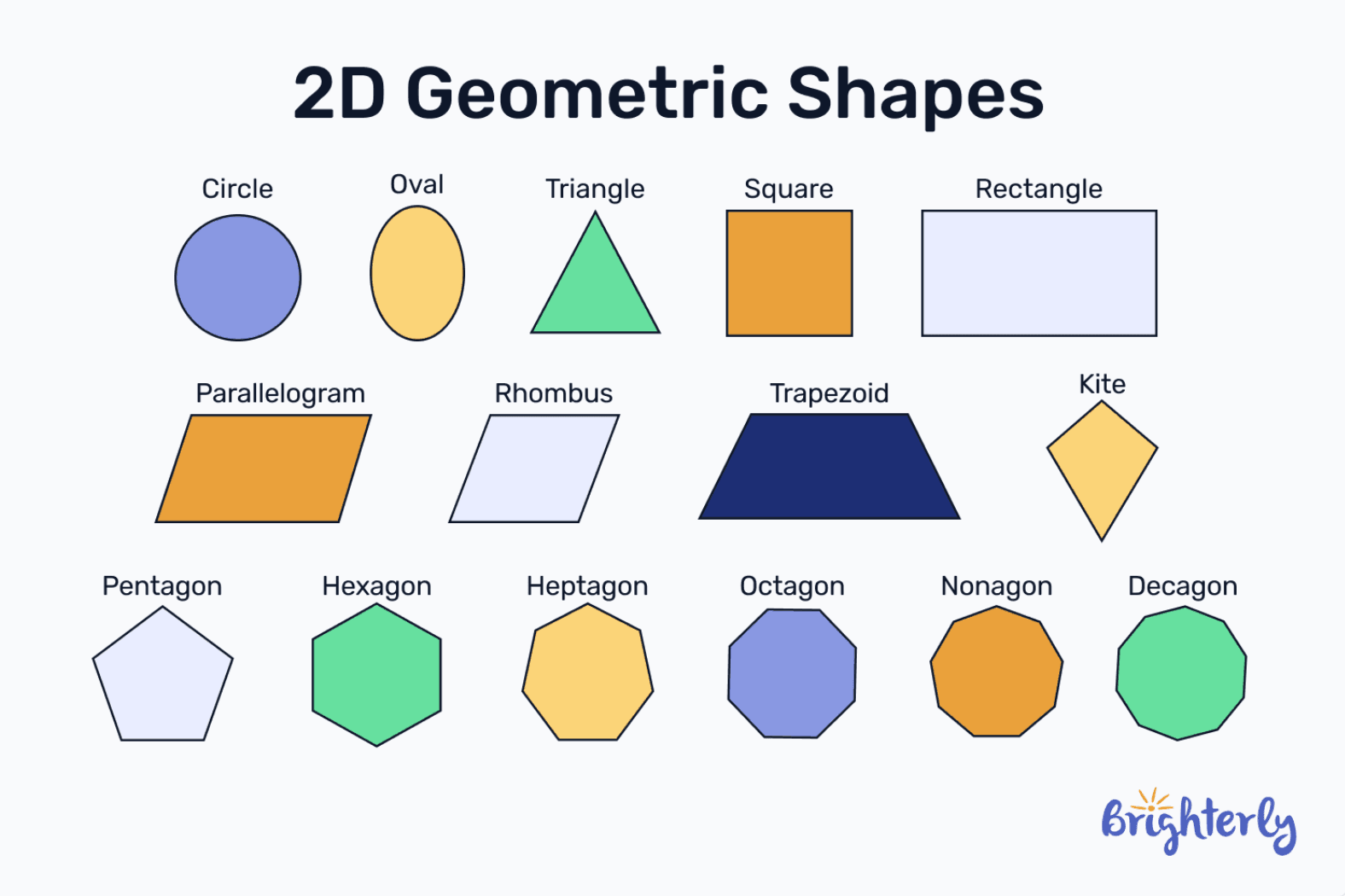
What does a 2nd grader learn about 2D shapes?
- Lines of symmetry. Show how a square or triangle can be folded or divided so both halves match. Kids can try drawing the fold line themselves. That should help them see balance in shapes. For more ideas and a helpful test, check out Shapes.
- Angles. Ask your child to spot corners that are ‘square corners’ (right angles) versus ‘sharp corners’ (acute) or ‘wide corners’ (obtuse). For that, you may use classroom objects or simple drawings.
- Patterns and creation. Kids can draw a row of shapes or create a border with repeating shapes. Building designs with cutouts, too, enhances observation, reasoning, and creativity.
Note: Research shows a moderate link between spatial reasoning and geometric reasoning. That’s why teaching properties (like symmetry and angles) is crucial for building spatial skills, which predict overall math success.
How to teach 2d shapes in grade 3?
Learning shapes activities in grade 3 involves experiential drawing and simple measurements. The aim at this stage is to help kids …
- Identify polygons,
- Classify shapes by sides and angles,
- Understand perimeter basics,
- Explore patterns using multiple shapes.
Grade 3 children can handle more complex 2D shapes. I’m speaking of pentagons, hexagons, and octagons. They are expected to classify shapes based on the number of sides and the types of angles they have. For example, they can tell the difference between a regular hexagon and an irregular one.
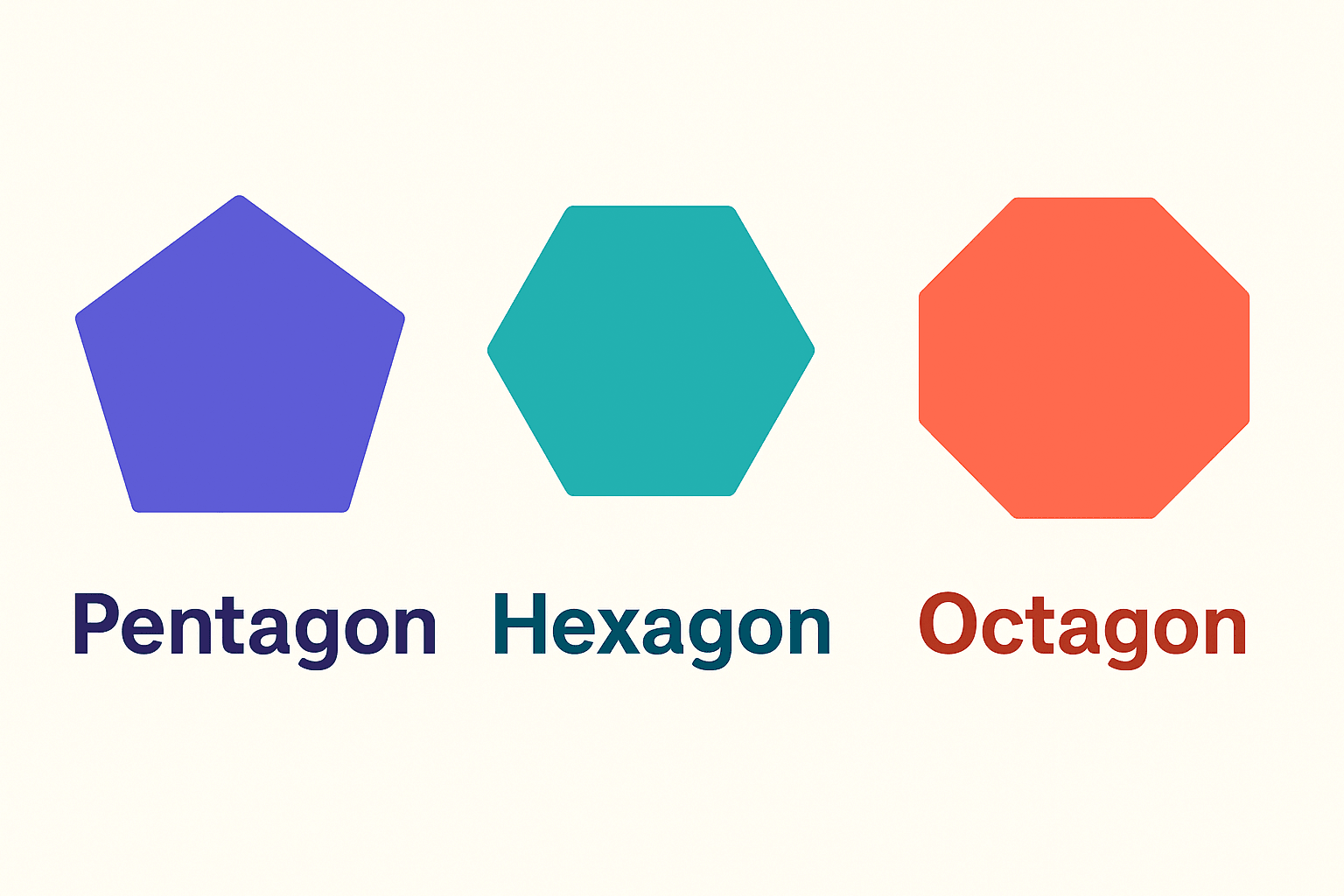
How to introduce perimeter in a simple way? Have your kids measure the sides of a shape and add them together. They can do this with rulers, blocks, or even string to trace shapes.
Note: Look for signs, tiles, windows, or playground designs and discuss which polygons they are. By grade 3, kids enjoy reasoning about shapes and patterns on their own.
And finally, patterns and combinations. To learn shape for kids, this part encourages your child to make repeating patterns with triangles, squares, and hexagons. Or, they can see how smaller shapes can form a larger design.
Check the basics behind this term
Take our quick quiz to discover the perfect learning solution based on your child’s needs.
How to teach 3D shapes to kids?
- Focus on cubes, spheres, cones, cylinders, and pyramids.
- Let children touch, roll, stack, and compare shapes.
- Feel free to use hands-on objects and simple drawings.
- And as for the difference between flat 2D shapes and solid 3D shapes, grab some real-world examples for illustration.
| Focus area | What kids learn | Activities for teaching shapes |
Basic 3D shapes |
|
Show real objects: blocks (cube), balls (sphere), cans (cylinder), ice cream cones (cone), toy tents or pyramids. |
Touch & explore |
|
Let kids roll balls and stack cubes. Have them tip cones and compare shapes by holding them. Ask: ‘Which rolls? Which stacks?’ |
Drawing 3D shapes |
|
Trace or draw cubes, spheres, and cones. Or, you may build shapes with playdough. |
Real-world connections |
|
Point out boxes, water bottles, playground slides, or pyramids in books. Ask: ‘What 3D shape is this?’ |
Properties of 3D shapes |
|
Talk about shape features while playing or building. For example: ‘Cylinders roll, cubes stack.’ |
So, I hope you now know the answer to ‘How to explain shapes for kids?’, don’t you? Let’s move on to even more practical exercises you can help your kid with!
Note: Experimental studies show that a realist hands-on approach significantly improves students’ solid geometry conceptual understanding and problem-solving skills (if compared to traditional lecture methods).
Activities for teaching shapes
When children touch, build, sort, and draw shapes, they remember them better. Plus, they strengthen fine motor skills. Wanna know how I do it?
- Shape hunt
- Playdough shapes
- Shape sorting
- Popsicle stick shapes
- Drawing challenges
- Block-based shapes
- 3D shape scavenger hunt
Shape hunt
I give kids simple charts with basic shapes. Then, I ask them to find objects around the room or outside that match those shapes. It’s great for early recognition.
Playdough shapes
When I teach children shapes, I set out play-dough and invite kids to shape it using their hands or simple tools. Younger kids focus on basic curves and corners. Older ones, though, explore more complex forms.
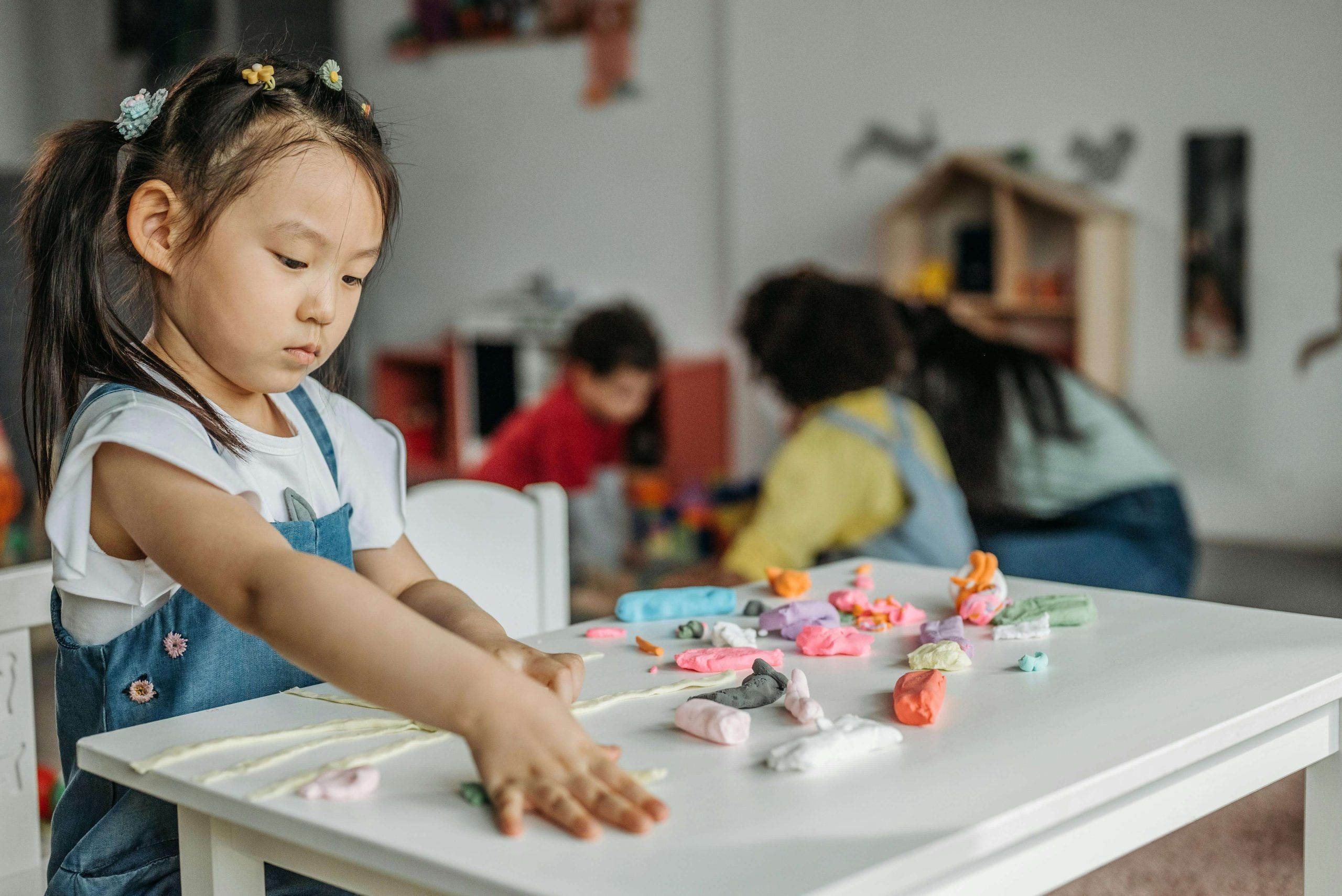
It particularly helps kids ‘feel’ how shapes are made. Besides, fine motor skills develop accordingly. That’s important for writing, cutting, and other daily tasks.
Shape sorting
I place a mix of shapes on the table and ask kids to sort them by color, size, or type. I resort to it for preschool through grade 2 because it builds early logic.
Popsicle stick shapes
Got popsicle sticks and glue dots? With them, I show kids how to lay sticks side by side and connect ends.
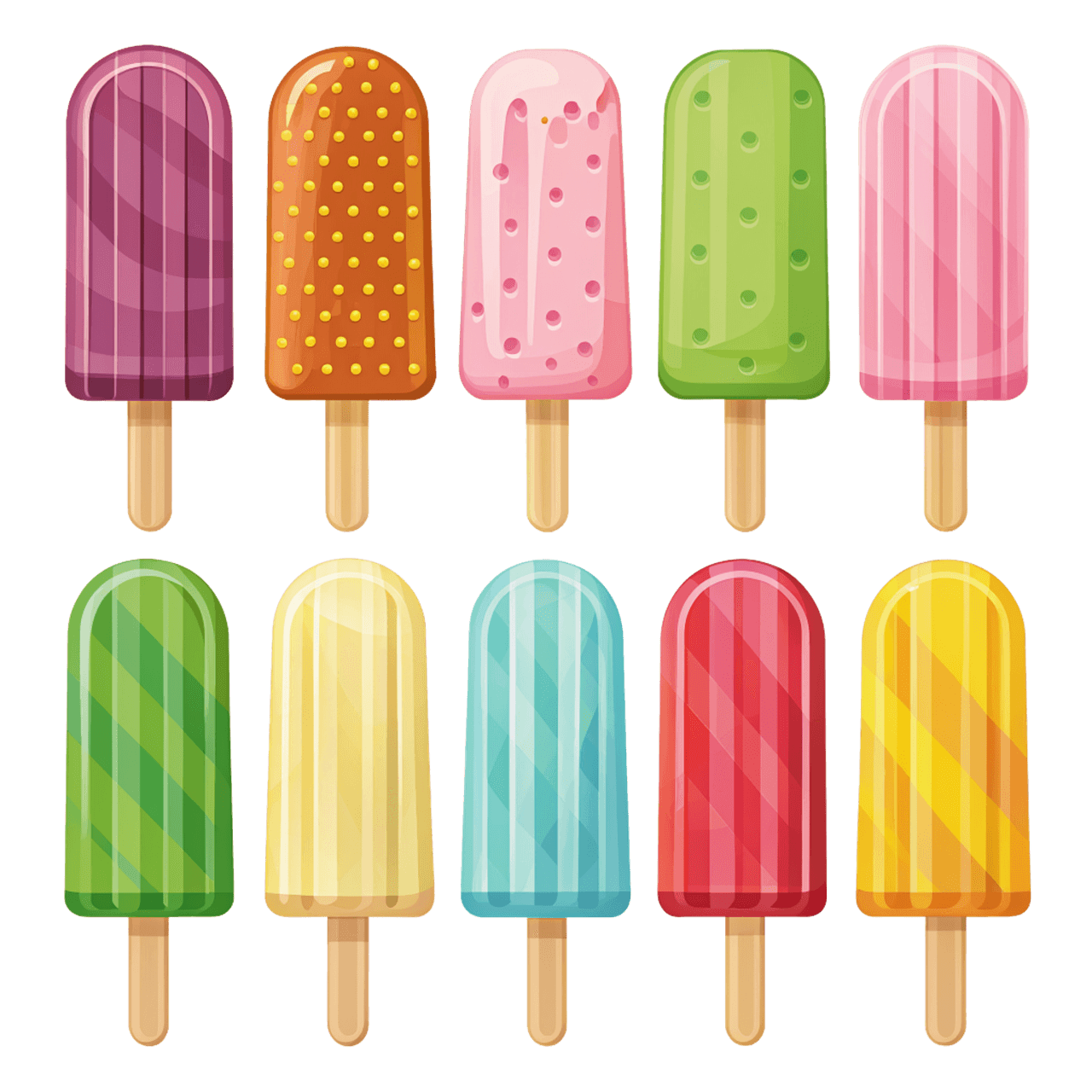
That’s how to learn shapes through making triangles, rectangles, stars, you name it. From kindergarten to grade 2, kids love it!
Drawing challenges
I ask kids to draw shapes in different sizes, using simple materials like paper, crayons, markers, or chalk. Or, they may combine shapes to make pictures like houses, rockets, or robots. At any age, it strengthens observation, pencil control, and creativity.
Block-based shapes
For shapes for 1st grade, I set out blocks or construction blocks.
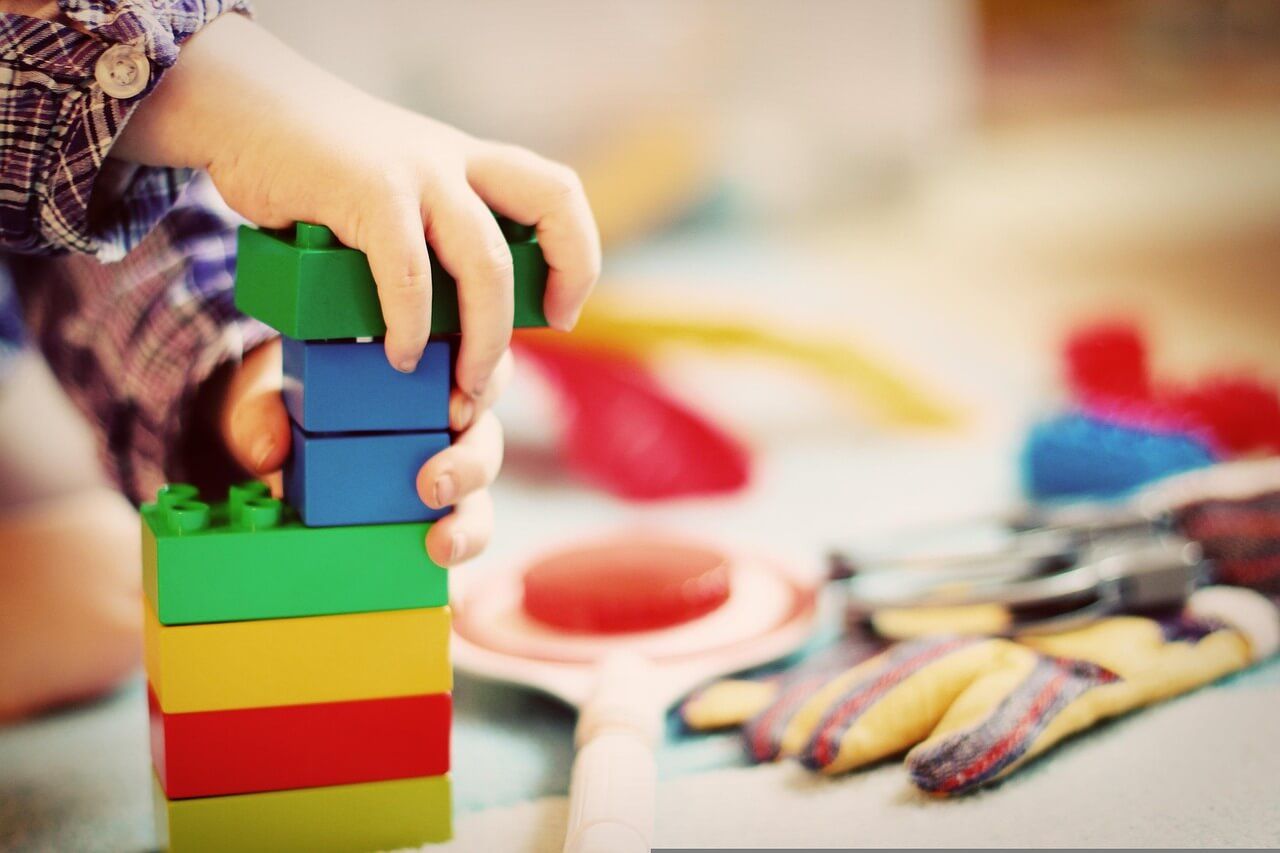
When I invite kids to build towers, houses, or patterns, they explore how shapes fit together, balance, and stand. It’s just best for enhancing spatial thinking and observation.
3D shape scavenger hunt
For preschool through grade 2, I set out everyday objects like balls, boxes, and cans. Then I ask kids to match each item to its 3D shape (sphere, cube, or cylinder). This fun hunt helps children recognize shapes in real life and understand their properties.
Conclusion
What is the best activity to teach shapes? I’d say that the best way is to use age-appropriate and learn-by-doing exercises. That can be drawing, building, and exploring shapes in real life.
Brighterly math and reading platform makes this easy by offering interactive lessons. They guide your child step by step and, therefore, make shapes fun and understandable. Brighterly altogether contributes to your child’s academic growth and overall development.
Give your kid a head start in geometry – book free lesson.


Parents often ask me about Chegg, whether it is helpful, safe, legit, or — on the contrary — another simple way for kids to get confused on test day. After teaching and coaching students for years through online resources, I decided to summarize Chegg reviews and write this article specifying what Chegg does well, where […]

Dec 09, 2025

If you’re not sure whether to start learning with BookNook or not, this article is for you! I’ll explore this platform from my teaching perspective and analyze BookNook reviews from parents and other educators. We’ll check what it offers, its pros and cons, concluding on whether BookNook is a good investment of your money and […]
Dec 17, 2025
Math & reading from 1st to 9th grade
Looking for homework support for your child?

Choose kid's grade

Math & Reading for Grades 1–9
Build real confidence for your child with a Brighterly math or reading tutor.