What are the Best Russian School of Math Alternatives?
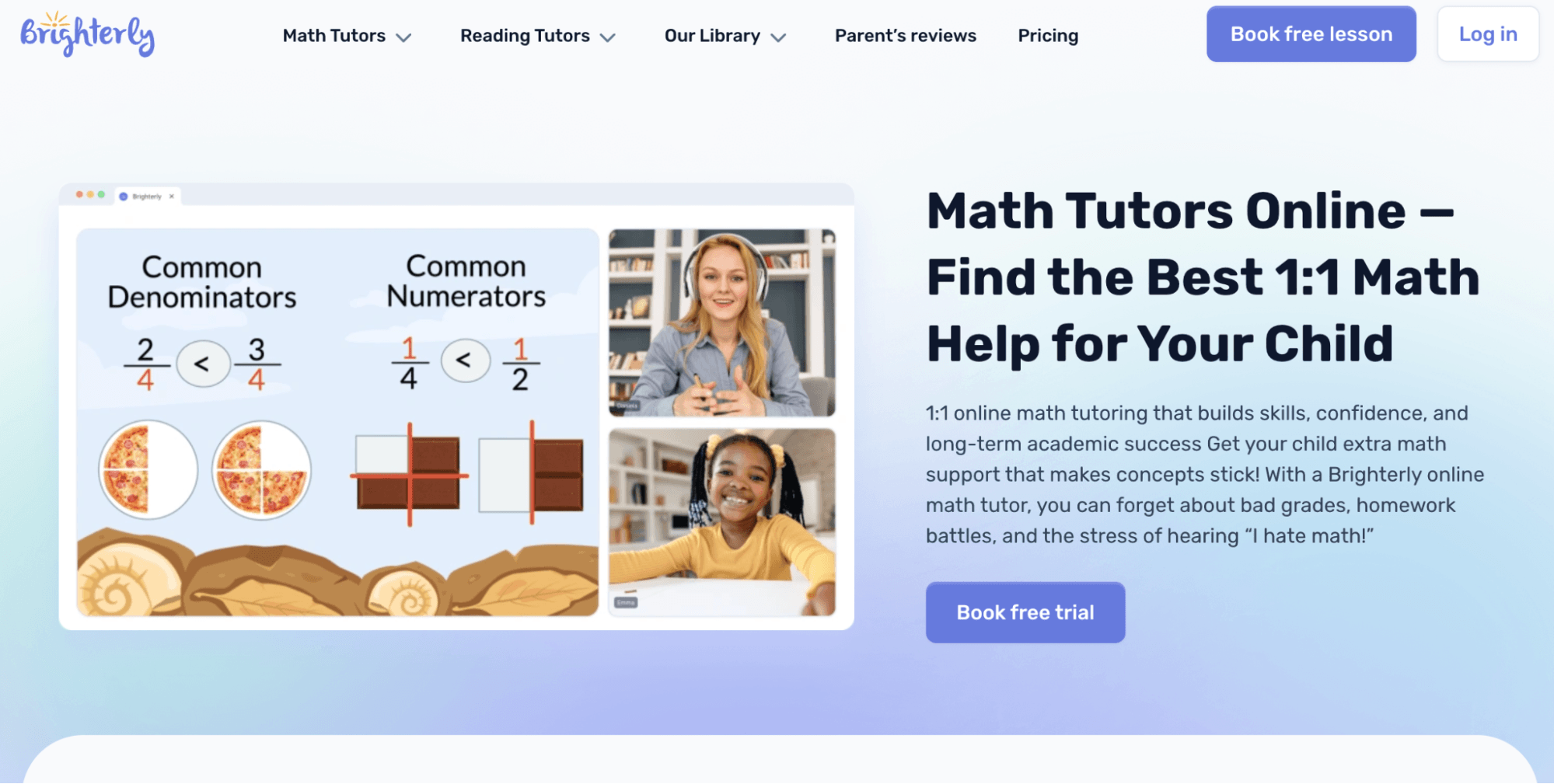
Best overall RSM alternative: Brighterly. Brighterly offers personalized 1:1 K-12 math tutoring from $17.70 per lesson, making it a strong choice for students who need individual support, flexible scheduling, or a learning plan adapted to their level.
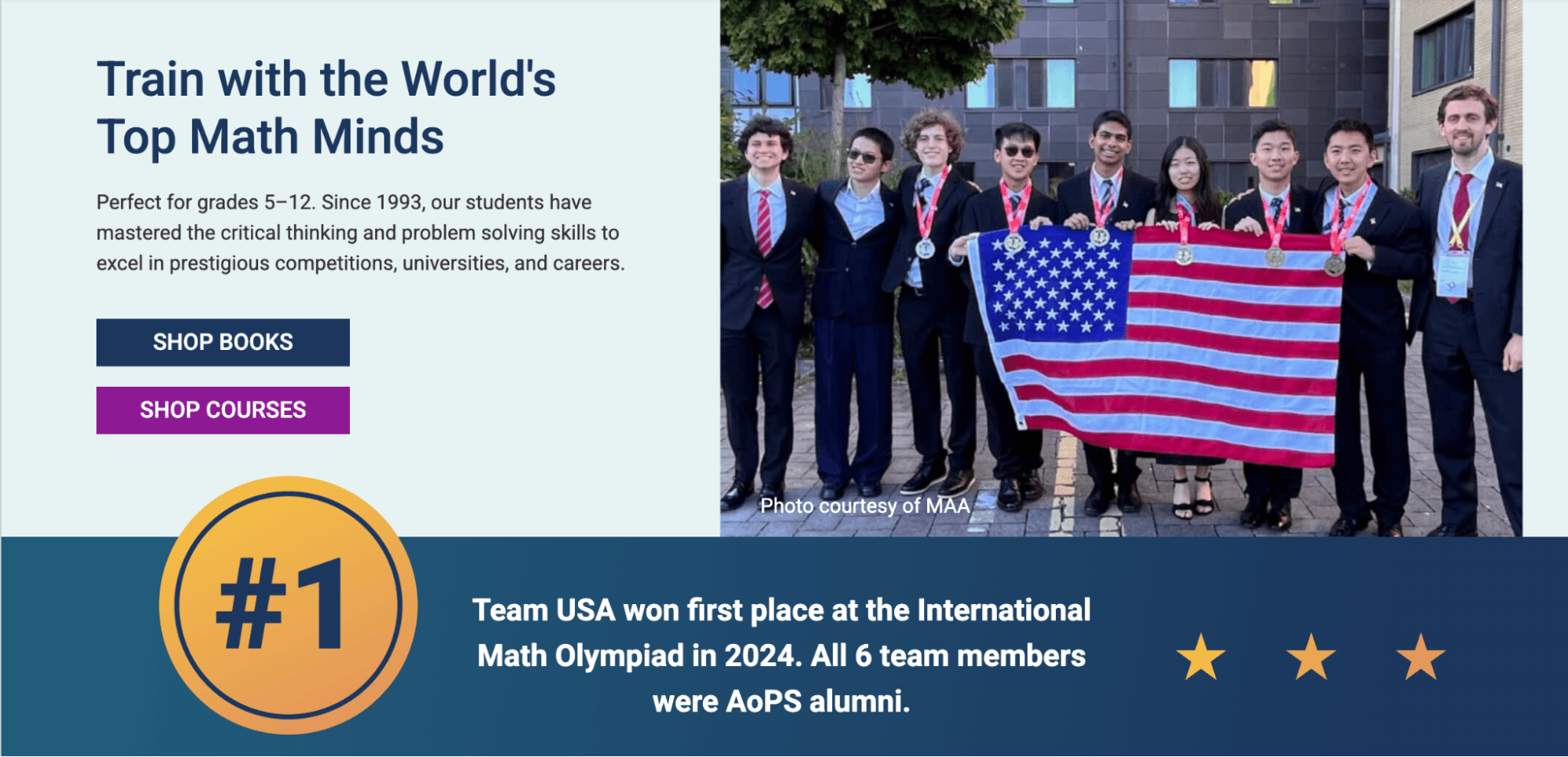
Best for advanced and competition math: Art of Problem Solving (AoPS) and Think Academy provide the closest alternatives to RSM’s rigorous enrichment and competition-focused approach.
Best for grade-level support and catch-up: Brighterly, Mathnasium, Sylvan Learning, and Huntington Learning Center support students who need to strengthen skills or close learning gaps.
Best for independent practice: Kumon uses a self-paced, worksheet-based model for students who work well with limited direct instruction.
Prices vary significantly by program and format: Brighterly starts at $17.70 per 1:1 lesson, Kumon averages $140–$200 per subject per month, and AoPS courses start at around $415.
Russian School of Math offers a rigorous, advanced curriculum, but its group format and structured pace may not suit every student. Brighterly is good for families looking for personalized 1:1 math tutoring with flexible scheduling and support adapted to the child’s level. AoPS and Think Academy are stronger matches for competition-focused learners, while Mathnasium, Kumon, Sylvan Learning, and Huntington offer other approaches to supplemental math support.
Math & reading from 1st to 12th grade
Exploring alternatives?
Take our quick quiz to discover the perfect learning solution based on your child’s needs.
Brighterly is an online math program and reading program for students in grades K-12. On our platform, your child has access to one-on-one personalized math tutoring with certified tutors. Every session is live, and the tutors customize the curriculum for each student, making sure your child is working exactly on what they need to. We also provide lessons that are align with US state standards.
Who It’s Best For
Brighterly works well if your child needs more flexible scheduling, prefers learning from home, or group-class formats like RSM haven’t worked well enough for them. It’s also a good option if you want to see how well your child is progressing, as our platform provides session reports after each class.
Brighterly Pros and Cons
Pros
Cons
One-on-one flexible learning with a certified tutor guided by the 6 principles of school math defined by the NCTM
Plans start from $17.70 per lesson for 2 sessions per week, on the 12-month plan (with 20% discount applied). The pricing plans may vary depending on the subscription length and session frequency.
Brighterly vs Russian School of Math
RSM uses a group class model with a structured, advanced curriculum and a problem-solving approach, targeting accelerated students. Brighterly is fully online, one-on-one, and it adapts to any skill level. Whether your child needs a grade-level catch-up or wants to move to more advanced math, Brighterly offers that option.
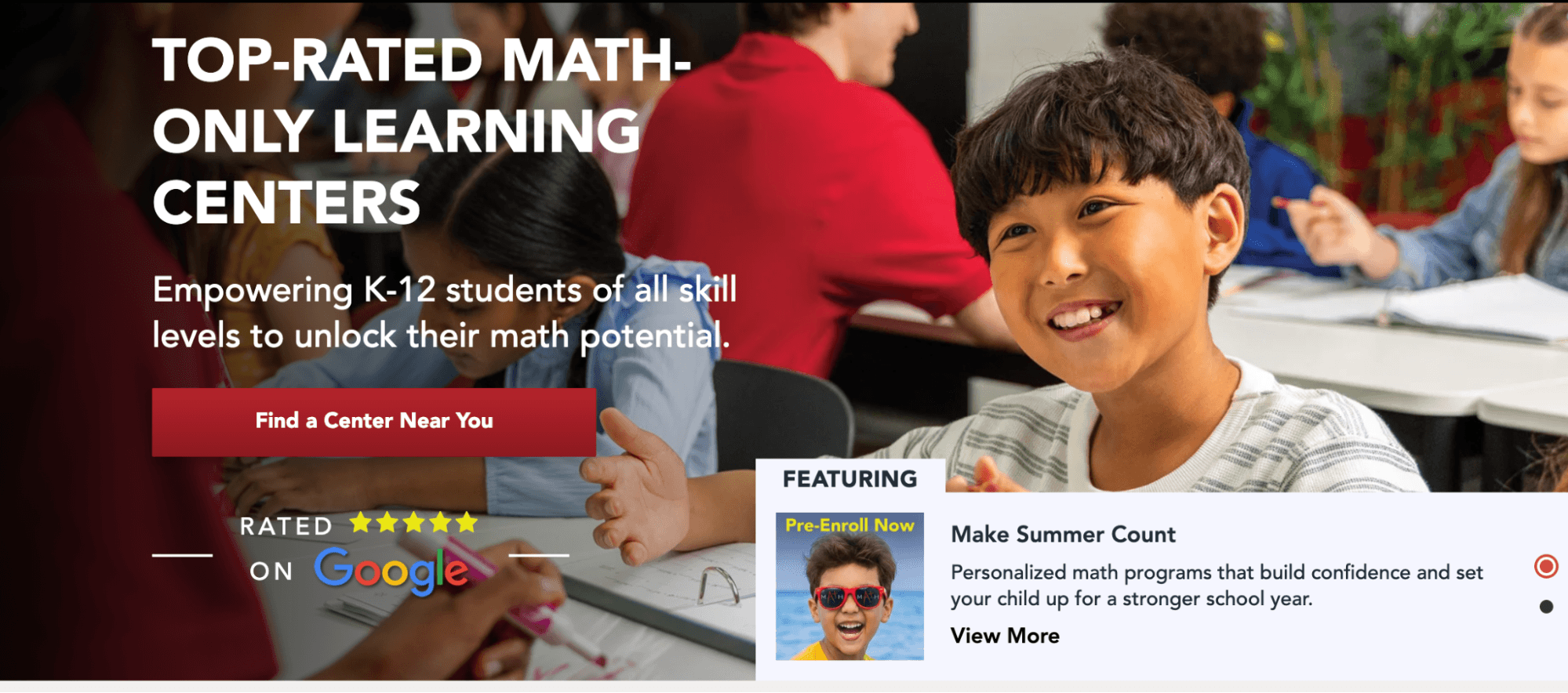
Next in the list of alternatives to Russian School of Math is Mathnasium. This is a math tutoring program that offers both in-center and online math tutoring for K-12 students. The platform operates on the Mathnasium Method — an approach that focuses on developing number sense in kids through structured instructions and assessments. Students typically attend the classes in small groups.
Who It’s Best For
If your kid needs consistent, routine practice to build up and develop their grade-level skills, Mathnasium can be a good supplemental math program for them. It’s also good for families who are looking for in-class, offline learning.
Mathnasium Pros and Cons
Pros
Cons
Assessment-based placement so your child will start where they really are
Sessions are small-group, not one-on-one, so they are less individualized
Consistent weekly schedules
For offline learning, quality and instructor experience vary by franchise location
Wide range of topics
Prices differ significantly by center, and pricing isn’t transparent upfront
RSM offers mostly classroom-style learning (but also offers online lessons) focused on advanced mathematical reasoning, often including math competition prep. Mathnasium focuses mostly on grade-level learning, helping kids to catch up and develop number sense through the Mathnasium Method. In a nutshell, the main difference between Mathnasium vs RSM is that the Russian School of Math is better suited for enrichment, while with Mathnasium, you access an effective remediation platform.
Kumon
What Is Kumon?
Kumon is a self-paced after school math and reading program based on worksheets. Kumon has centers across the US and internationally, and also offers online learning.
The difference between Kumon vs Russian Math and other alternatives in this list is that the former doesn’t use direct instruction. Your child will instead get a series of sequenced worksheets they need to work through independently.
Who It’s Best For
Kumon will work best for your family if your child can work independently and also needs a strong foundational base before advancing. It’s a particularly good fit for younger students who need to develop number sense and arithmetic fluency, and also for families who look for a low-pressure and affordable program.
A worksheet-heavy format can get repetitive and demotivating
Builds strong independent study habits
Instructors guide rather than teach, and students who need explanation may struggle
Creates a strong learning structure
Daily homework worksheets
How Much Does Kumon Cost?
Depending on the local centers, Kumon cost can range between $140 and $200 per subject per month as of Sept 2026. The prices can go higher for larger cities, such as New York ($250), or a bit lower for smaller cities.
Kumon vs Russian School of Math
RSM is instructor-led learning, online and offline, has a set curriculum, and focuses on building deep mathematical reasoning. The classes of RSM take place in groups. Kumon relies on individual learning based on worksheets. While students attend in-center or online sessions, the tutor acts as a supervisor instead of teaching.
Sylvan Learning
What Is Sylvan Learning?
Sylvan Learning is a learning center franchise. It offers support in multiple subjects, including math, reading, and writing, both online and offline. The goal of Sylvan Learning is primarily remedial, and the center’s goal is to help kids reach and maintain grade-level performance instead of advancing beyond it. The platform offers a diagnostic assessment, and the tutors then develop a personalized learning plan.
Who It’s Best For
Sylvan Learning can be a strong option for your family if your child is behind grade level and needs structured and consistent support to catch up. It’s also a good option if you look for support in multiple classes, not just math.
Sylvan Learning Pros and Cons
Pros
Cons
Initial diagnostic test and personalized learning plan
Prices can get hefty
Mixes traditional and modern teaching strategies
You need to contact your local center for the exact quote
Both in-center and online math program available
You need to contact your local center for the exact quote
How Much Does Sylvan Learning Cost?
According to the Sylvan Learning website, Sylvan Learning costs start at $50+ per session for personalized tutoring and homework help. For ACT and SAT Group Classes, the expected amount is $900+ per class.
Sylvan Learning vs Russian School of Math
RSM is a math-only, instructor-led program with a structured curriculum that offers advanced-level math learning. The aim of the Russian School of Math is to offer a math enrichment program and accelerated learning. Sylvan is a franchise of math centers (with online learning available too), which offers math, reading, and writing classes, with a focus on remediation. The goal of Sylvan Learning is to make sure kids reach and maintain their grade level.
Huntington Learning Center
What Is Huntington Learning Center?
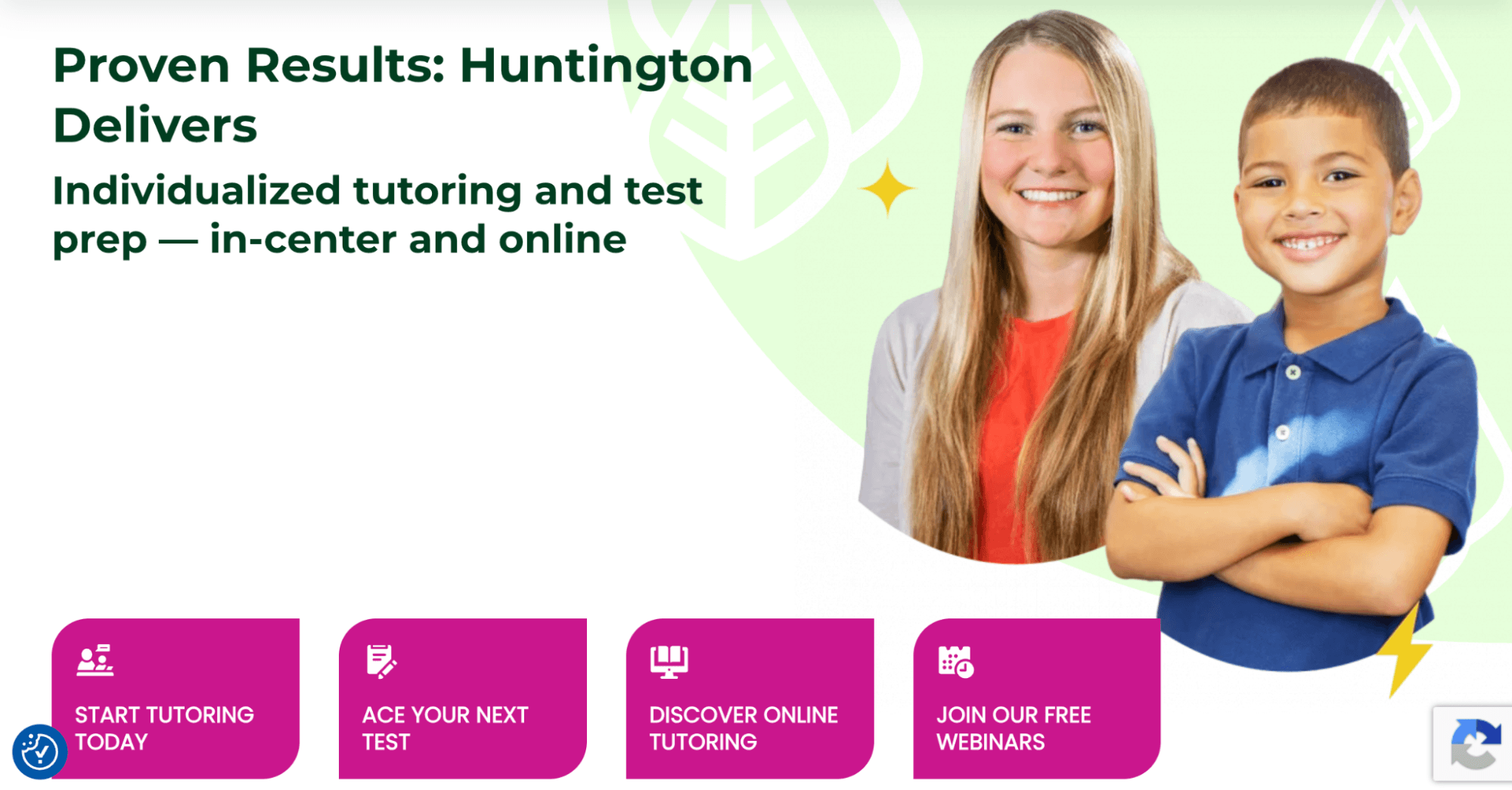
Huntington Learning Center is a franchise of educational learning centers that offer academic support for K-12 students. The center offers both offline in-center and online learning. Each student starts with a (paid) comprehensive diagnostic test, which the platform uses to identify specific knowledge gaps and determine what to cover.
Who It’s Best For
As shown by Huntington reviews, it’s a good choice for kids who are noticeably behind their grade level and need targeted and structured help to get back on track. It’s also a good option for older students looking to improve their standardized test scores.
Huntington Pros and Cons
Pros
Cons
SAT/ACT/PSAT test prep programs
No enrichment programs are available
1:1 instruction in most programs
Pricing is custom, depending on location
Comprehensive diagnostic assessment
Pricing can climb high
How Much Does Huntington Cost?
Huntington doesn’t publish fixed tutoring prices because costs vary by location and the student’s learning plan. Third-party estimates reviewed in August 2026 place tutoring at around $45–$80 per hour, with an initial assessment typically costing $150–$250.
Huntington vs Russian School of Math
RSM is for students who are above grade level or seeking an advanced math curriculum. Huntington Learning Center, on the other hand, works to close gaps and is a better fit for students who struggle than for those looking to get ahead.
Art of Problem Solving (AoPS)
What Is Art of Problem Solving?
Art of Problem Solving is an online math education platform that offers an online gifted math program. The platform is specifically for gifted and advanced math students, and goes way beyond the grade-level school curriculum. The platform also prepares students for math competitions and olympiads.
On AoPS, your child can access both live instructor-led online courses and self-paced options. A separate AoPS Academy operates several physical centers around the country, but the platform is online-first.
Who It’s Best For
AoPS is a great option for students who find school math too easy and are preparing for competitions like AMC, AIME, or MATHCOUNTS. The platform will work best for students in K-5 to K-12 who are highly motivated, disciplined, and want to develop serious problem-solving and math skills.
AoPS Pros and Cons
Pros
Cons
A very deep competition math curriculum
Very demanding curriculum
Highly-qualified tutors with relevant degrees and competition experiences
Self-paced courses require independent motivation
Strong online community of students and instructors
Less structured academic support than in-person programs
How Much Does AoPS Cost?
AoPS uses per-course pricing rather than a standard monthly subscription. As of September 2026, many 12-week online courses start at around $415, while longer or more advanced programs can cost substantially more.
AoPS vs Russian School of Math
AoPS most closely mirrors RSM’s commitment to mathematical depth and rigorous problem-solving. The key difference between RSM vs AoPS is format: RSM primarily focuses on weekly group classes in physical centers (with some online learning available), AoPS is primarily online with flexible course scheduling. AoPS also goes deeper into competition math, like AMC, AIME, and olympiad preparation, which RSM has a more balanced approach and covers a broader curriculum.
Think Academy is an online math enrichment program that offers an advanced math curriculum. The platform offers classes online, offline in small groups, and online 1:1 classes for PreK-12 students. The students take an assessment test and then join classes or groups at their level. The curriculum is quite challenging and aims to develop strong mathematical thinking and also prepare students for math competitions.
Who It’s Best For
Think Academy is best for advanced students who enjoy a challenging math curriculum, and for families who are looking for a structured and advanced math curriculum more affordable than the Russian School of Math costs.
Think Academy Pros and Cons
Pros
Cons
The curriculum builds strong conceptual foundations
Small US brand presence
Both group and individual classes are available
Group sessions move fast, and some students risk falling back
The competition math track is available for motivated students
It’s a math-only platform and doesn’t offer other classes
How Much Does Think Academy Cost?
As of September 2026, many Think Academy group courses cost around $35–$40 per hour depending on the grade and track. For example, some 18-lesson courses start at $995 including the textbook fee, while more advanced or longer classes cost more.
Think Academy vs Russian School of Math
Both RSM and Think Academy are focusing on enrichment and offer a deep and advanced math curriculum. One big difference is that RSM focuses on offline-first learning, while Think Academy mostly offers online options.
Math program
Looking for Russian School of Math alternatives?
Brighterly’s certified tutors create a personalized curriculum considering your child's gaps
How to Choose the Right Math Program for Your Child
As you look for Russian School of Math alternatives, here are some questions to ask:
What’s your goal? If your child needs to catch up on grade-level math, Sylvan or Huntington can be a better option, but if you need more advanced learning, look into Brighterly, Mathnasium, or Think Academy.
What’s your budget? Some programs, like Brighterly ($17.70/lesson) and Kumon ($140-$200/month), are more affordable.
In-person or online? All of the courses offer online versions, with Mathnasium, Kumon, Sylvan, and Huntington also offering in-center learning.
How does your child learn best, online or in person?
What grade level and how long do you need it? Check if the program offers strong coverage at your kid’s grade level.
Conclusion
Each one of these alternatives to RSM has its pros and cons, and can offer strong benefits to your kid. To find the right option, you need to understand what your child needs. You can start with your child’s current skill level, your budget, and how they learn best, then match from there. The right online math program or in-person center should feel like it within the first few weeks.
Try free demo lesson with Brighterly to check your child’s gaps and knowledge level and decide if the 1:1 approach is what you need.
Frequently Asked Questions
Is Russian School Of Math Worth The Cost?
For the right student, yes. RSM’s curriculum is quite rigorous and structured for advanced learners, and if your child excels at their grade level and needs some more challenge, they can benefit greatly from the program. However, if the student isn’t ready for the program’s pace, the results may not match the cost.
What Age Is Russian School Of Math Designed For?
Russian School of Math enrolls kids through K-12. The curriculum gets more difficult as the child grows, eventually introducing advanced coursework for competition math preparation in high school.
Can My Child Switch From RSM To An Online Math Program Mid-Year?
Yes, it’s possible. The platform starts with an assessment to understand at which level your child is. It’s possible to manage a mid-year transition, but make sure to give the tutor a clear idea of where your child stands so they receive the help they need.
How Does Mathnasium Differ From RSM In Teaching Style?
RSM offers a structured curriculum for advanced math, with a focus on small-group in-person tutoring. The goal of RSM is to push children beyond their grade level into the competitive math area. Mathanasium uses a method that centers around helping kids catch up on missed topics and reach their grade level.
What is the Cheapest Alternative to the Russian School of Math?
Brighterly, Kumon, and AoPS are some of the most affordable RSM alternatives. For live online tutoring, Brighterly’s per-lesson rate starts from $17.70 on an annual plan. Kumon costs stand at around $140-$200/month per subject. For AoPS, the costs will depend on which course you choose.
Angeluz L. Ruelo is a qualified math teacher, tutor, and Language Assessor with over 5 years of experience teaching Math, Pre-Algebra & Algebra, and Math Test Prep.
Previous article
AllReciprocal Teaching: A Practical 4-Step Strategy That Builds Reading Comprehension
Often, students can read words on the page and finish the passage without understanding what it actually said. This is because they weren’t taught how to work through the text while reading it. Reciprocal teaching can fix that. Read to learn what reciprocal teaching is, why the research behind it is so strong, and how […]
Laila A. Lico
Jun 03, 2026
Next article
AllBeast Academy vs Khan Academy vs Brighterly: Which Is Better in 2026?
As a parent, deciding between Beast Academy vs Khan Academy vs Brighterly can be hard. To make your decision-making easier, find out the reasons behind why families choose Beast Academy math, why others prefer cost-free Khan Academy, and why some opt for Brighterly with its live human instructions. Beast Academy vs Khan Academy vs Brighterly: […]
Florence Khitsane
Jun 05, 2026
Table of Contents
Math & reading from 1st to 12th grade
Looking for homework support for your child?
Choose kid's grade
Grade 1
Grade 2
Grade 3
Grade 4
Grade 5
Grade 6
Grade 7
Grade 8
Grade 9
Math & Reading for Grades 1–12 Build real confidence for your child with a Brighterly math or reading tutor.
Classroom Organization – Simple Tips to Make Your Life Easier
Have you ever felt overwhelmed with chalk pieces, worksheets, books, pens, and pencils at random places at the end of the class? If yes, you know how exhausting it can be to sort them all out every day. If you can’t take it anymore and seek simple classroom organization tips on how to organize a […]
Tutoring Rates Per Hour in 2026: Average Costs & How to Choose
Brighterly math tutors and experts providing reading help for kids reviewed a range of official resources and concluded that the average hourly tutoring rate across the US as of August 2026 typically ranges from $25 to $80, with 1:1 sessions and tutors in high-cost cities running higher. This guide covers standard rates by state, grade […]
Adventure Academy vs Khan Academy: Which Is Right for Your Child in 2026?
Adventure Academy and Khan Academy are popular supplemental learning platforms for kids, but they address different needs. If you’re comparing the two, this review breaks down the learning method, cost, and age range to help you decide which is better for your child — Adventure Academy vs Khan Academy. Adventure Academy vs Khan Academy: Quick Comparison […]
Florence Khitsane
Jul 06, 2026
We use cookies to help give you the best service possible. If you continue to use the website we will understand that you consent to the Terms and Conditions. These cookies are safe and secure. We will not share your history logs with third parties.
Learn More