Hour Hand On Clock: Definition, Examples, and Practice Math Problem
reviewed by Jo-ann Caballes
Updated on August 4, 2026
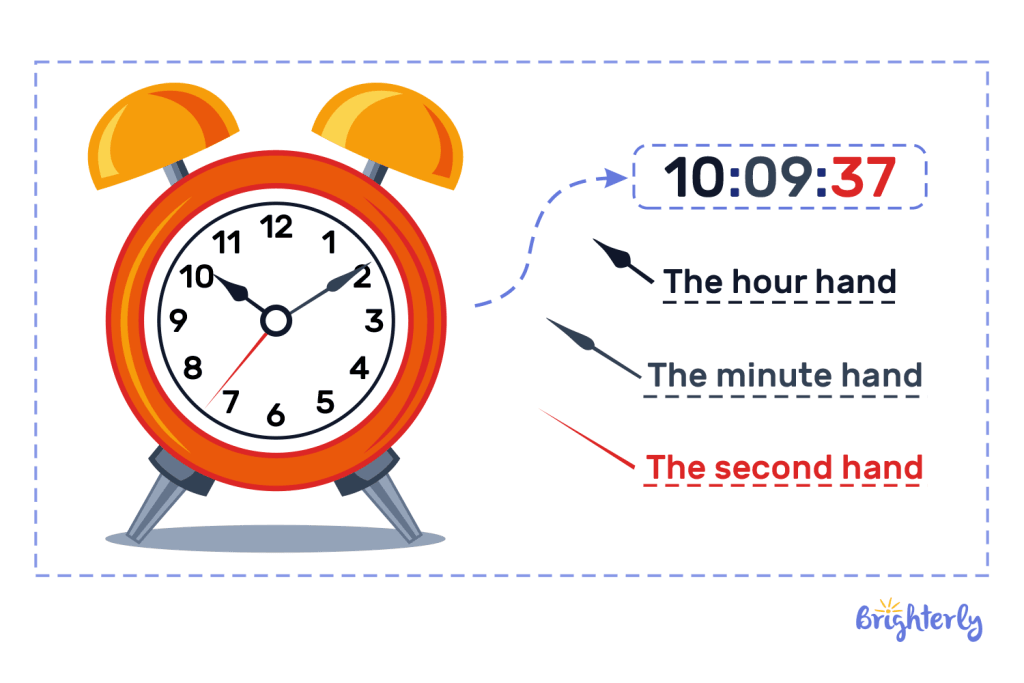
The hour hand is the short, thick hand on an analog clock that points to the hour. It moves slowly, completing one full trip around the clock face every 12 hours. To read the hour, you check which number the short hand is pointing to or has most recently passed.
Telling time is an essential everyday math skill that young students should develop. Brighterly’s elementary math tutors help kids read analog clocks with confidence, one hand at a time.
What Is the Hour Hand on a Clock?
The hour hand is the shorter of the two main hands on an analog clock and indicates the current hour. It moves gradually from one number to the next, taking a full hour to travel between them and 12 hours to circle the entire clock face once. Its slow movement is what tells you the hour of the day.
Expert Math Tutors for Every Level
Connect with professional and certified educators who provide specialized support for every grade level, from elementary school basics to advanced algebra
How Is the Hour Hand Different From the Minute Hand?
The hour hand is short and moves slowly, while the minute hand is long and moves faster. The hour hand takes 12 hours to go around once; the minute hand takes just 60 minutes. Most clocks also have a thin second hand that circles the face once every 60 seconds. Reading time means combining what the hour and minute hands show.
| Hand | Length | Time it shows | One full turn |
| Hour hand | Short and thick | The hour | 12 hours |
| Minute hand | Long and thin | The minutes | 60 minutes |
| Second hand | Very thin | The seconds | 60 seconds |
How to Read the Hour Hand
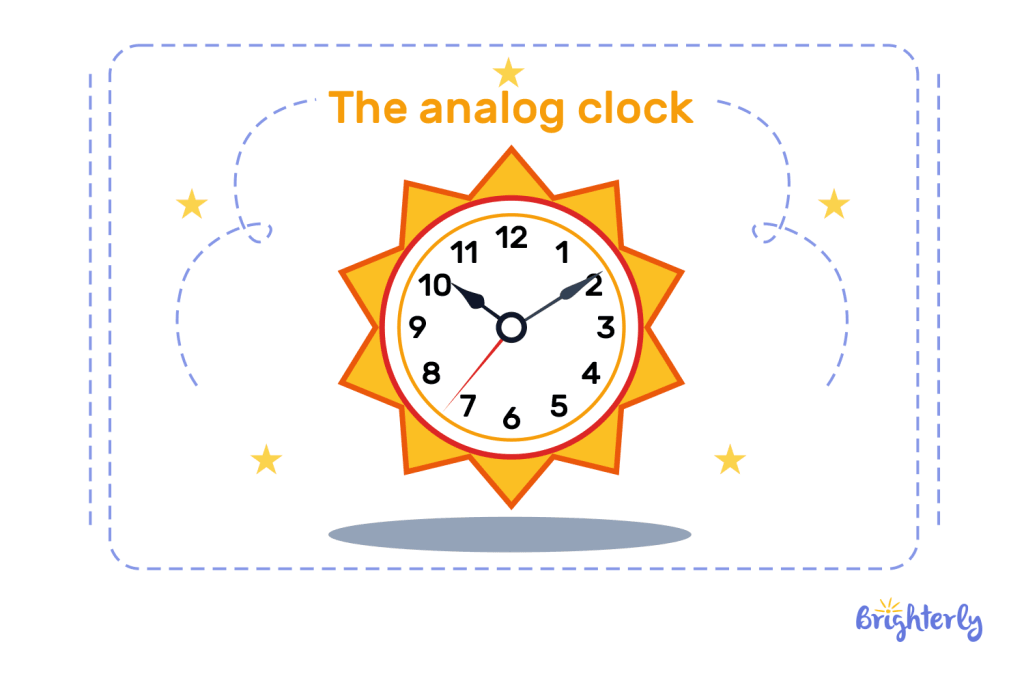
Reading the hour hand takes just a couple of steps once you know what to look for:
- Find the short, thick hand — that is the hour hand.
- See which number it points to, or the last number it passed.
- That number is the current hour. If the hand sits between two numbers, the hour is the smaller (earlier) number until the next hour is reached.
How Fast Does the Hour Hand Move?
The hour hand moves 360° in 12 hours, which works out to 30° per hour, or half a degree each minute. That is why it appears to barely move minute to minute. Understanding its steady rate connects clock reading to the broader idea of time as a measurable, continuous quantity.
Common Mistakes When Reading the Hour Hand
The most common mistake is reading the hour as the number nearest the hand rather than the number it has just passed. When the hour hand is between two numbers, the correct hour is always the smaller one until it reaches the next number. Another mistake is confusing the short hour hand with the longer minute hand — remember, short means hour.
Solved Examples on the Hour Hand
Example 1: If the short hand points exactly to 3 and the long hand points to 12, the time is 3 o’clock.
Example 2: If the short hand sits just past 7 and the long hand points to 6, the hour is 7 (and it is half past 7).
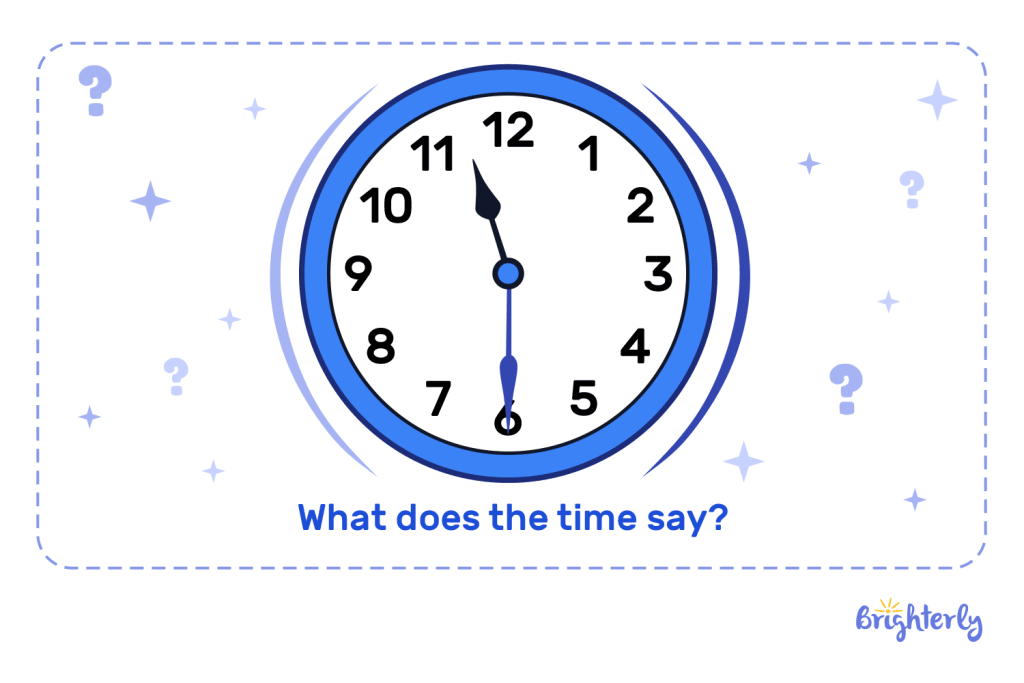
Example 3: If the short hand is between 10 and 11, the current hour is still 10 until the hand reaches 11.
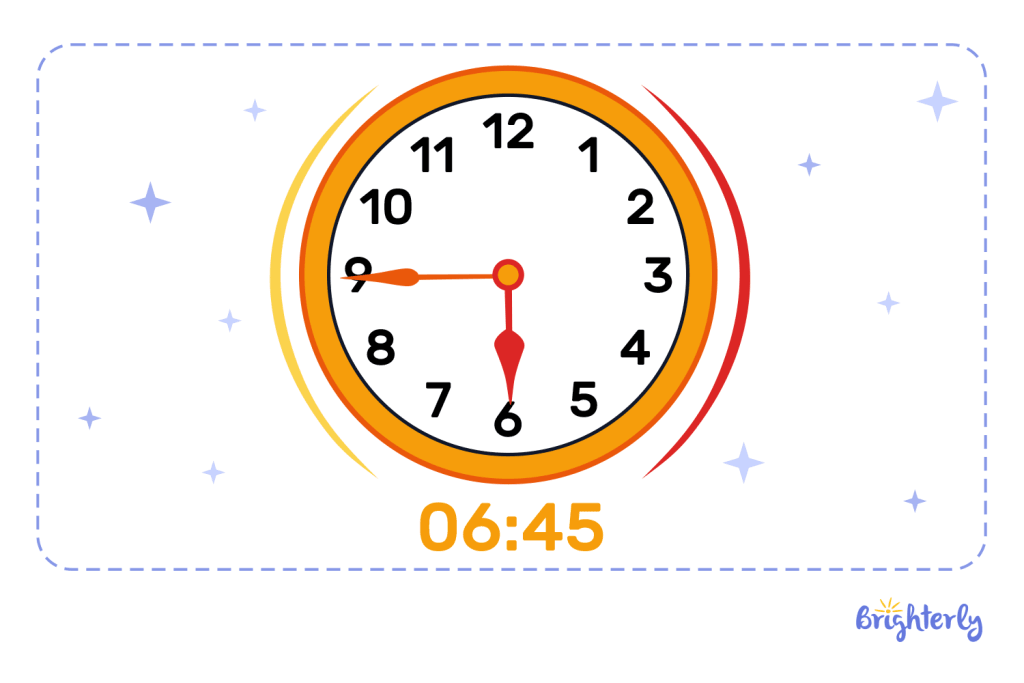
Hour Hand Practice Problems
Telling Time Worksheets
Put this into practice with related Brighterly worksheets:
- Clock worksheets
- Telling time worksheets (grade 1)
- Telling time worksheets (grade 2)
- Time to the hour and half hour worksheets
Frequently Asked Questions About the Hour Hand
Which Hand Is the Hour Hand on a Clock?
The hour hand is the shorter, thicker of the two main hands on an analog clock. The longer, thinner hand is the minute hand. A quick way to remember it: the short hand shows the hour, and the long hand shows the minutes. Some clocks add a very thin second hand as well.
How Do You Read the Hour Hand?
Look at the short hand and note which number it points to, or the last number it passed. That number is the current hour. If the short hand sits between two numbers, the hour is the smaller number until the hand reaches the next one. Then combine it with the minute hand to read the full time.
How Long Does the Hour Hand Take to Go Around the Clock?
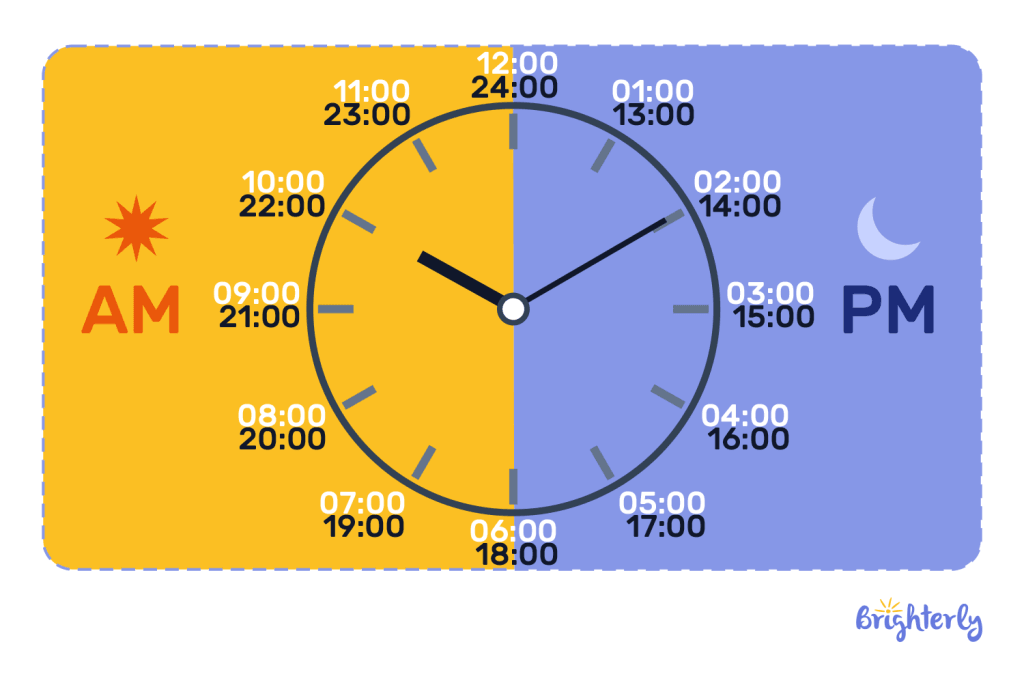
The hour hand takes 12 hours to make one complete trip around the clock face. That means it circles the clock twice in a full 24-hour day. Because it covers 12 numbers in 12 hours, it moves from one number to the next in exactly one hour.
What Is the Difference Between the Hour Hand and the Minute Hand?
The hour hand is short and moves slowly, showing the hour and taking 12 hours per full turn. The minute hand is long and moves faster, showing the minutes and taking just 60 minutes per full turn. You read both together — the hour hand gives the hour, and the minute hand tells you how many minutes past that hour it is.
Why Does the Hour Hand Move So Slowly?
The hour hand moves slowly because it must cover only 12 numbers in 12 hours, traveling 30 degrees each hour, or about half a degree per minute. Compared with the minute hand, which sweeps the whole clock in one hour, the hour hand barely appears to move from one minute to the next.


Math & reading from 1st to 12th grade
Looking for homework support for your child?

Choose kid's grade

Math & Reading for Grades 1–12
Build real confidence for your child with a Brighterly math or reading tutor.