US Education Statistics and Trends 2025-2026: Key Insights
reviewed by Jo-ann Caballes
Updated on December 16, 2025
As parents, you should stay on top of current education trends to make sure that your child gets access to the best learning options available. Being a teacher, I’m always following the latest developments in the field, and here I’m sharing the main ones with you.
Key points
- Online learning, gamification, personalization, and the use of various technologies are the latest education trends across all levels.
- A holistic approach and family engagement are shaping the present and future of early childhood education.
- 1:1, individualized tutoring remains one of the top ways to benefit from recent trends while taking advantage of real-life teachers.
What are the key online education statistics and trends for 2025-2026?
- Increasing popularity of online learning
- Gamification as a learning tool
- Personalized AI tutors
- Mobile learning
- Video-based learning
- Growing homeschooling options
- Focus on soft skills
- Alternative assessments
- Teacher shortages
- Real-world, project-based learning
Current trends in education 2025 & 2026
Current trend in education #1: Increasing popularity of online learning
The most notable trend in education in 2025-2026 is the growing adoption of digital learning. With the continuous advancement of technology and the ever-growing number of online learning platforms, students are getting involved in e-learning more frequently.
In 2025, 49% of global students have participated in online education. In the US, 63% of high-school students use digital education tools daily.
Of course, online learning comes with pros and cons.
- On the positive side, it provides students with unlimited class options and access to the best teachers. They can study from the convenience of their home, decreasing commuting time and leaving more time for fun. This educational mode also prepares them for the needs of the labor market, driven by tech.
- On the flip side, studying online increases screen time, with major health and social implications. Students become less involved in the local community, socialize less with classmates, and move less.
Matt DeHart, revolutionary educator, warns:
“The recent push to return students to paper-and-pencil instruction is having a significant impact on educational outcomes.”


As parents, you should make sure that you implement online options when necessary and beneficial. One example is one-on-one tutoring, where teachers typically offer better quality at lower prices than local tutoring centers.
Private online tutoring is the current educational trend
The Brighterly math and reading platform delivers 1:1, personalized, real-time tutoring aligned with current trends in education. Lessons are available in math, reading, writing, and ELA for grades 1-9.
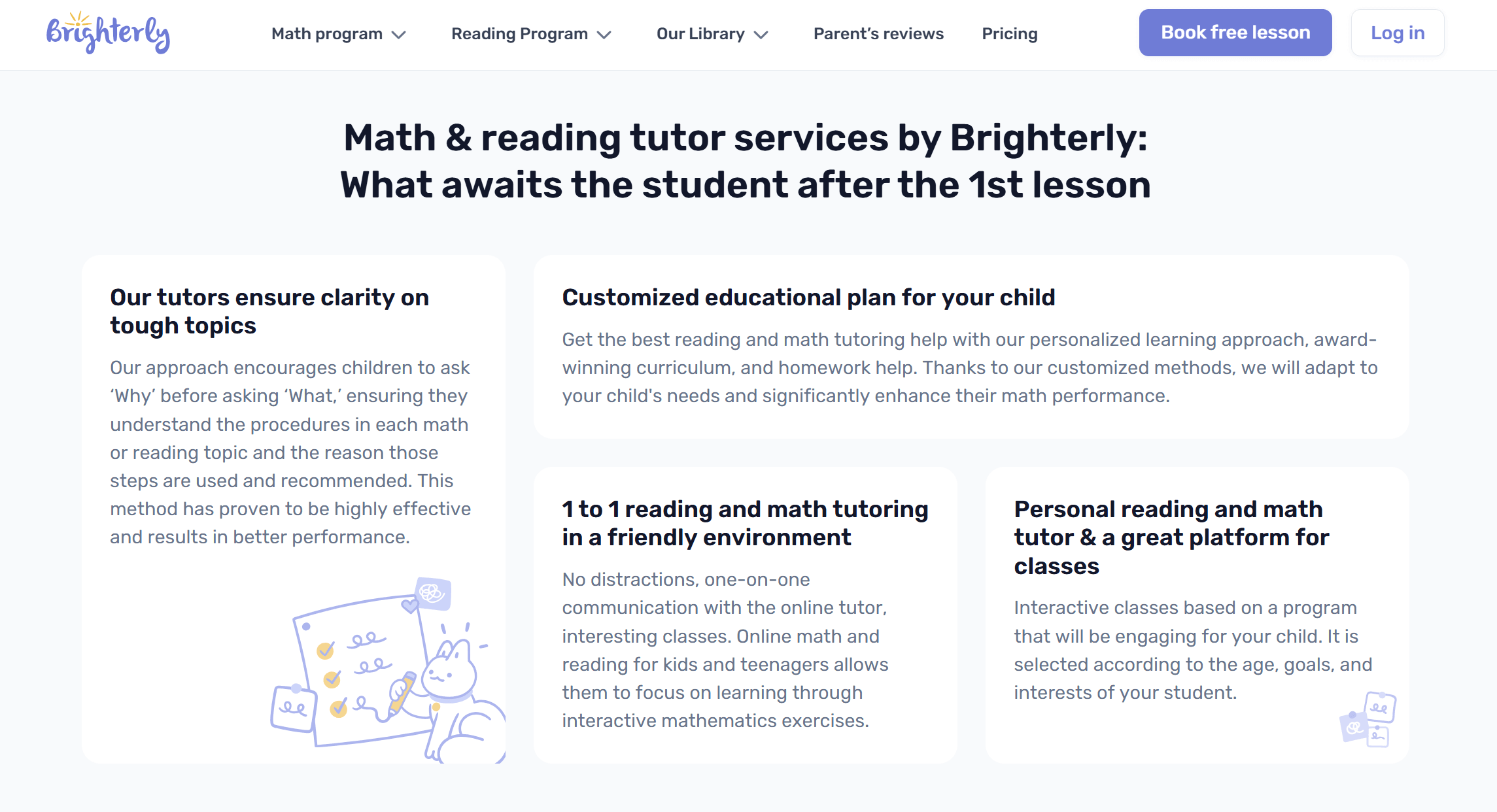
What makes Brighterly special are the following features.
Individualized learning
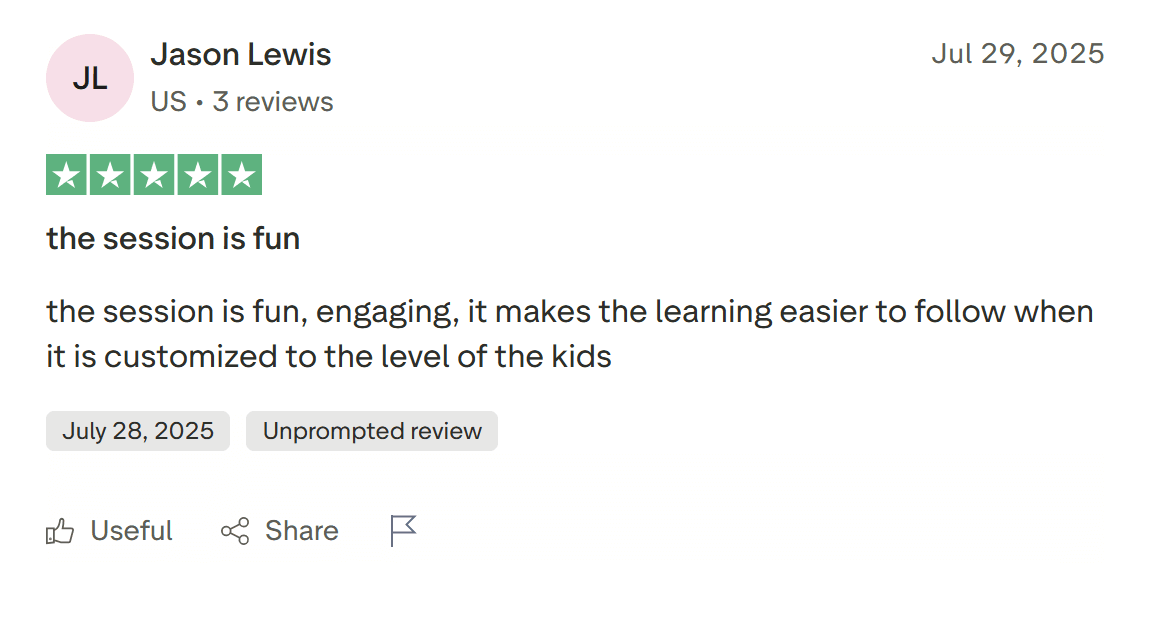
While the Brighterly math program and reading program follow the US state standards, the curriculum and teaching model are adapted to every child’s needs. Customization ensures high absorption of new skills by students, regardless of their initial level, as shown on Trustpilot.
High-quality tutors
The effectiveness of online education depends on the teacher’s skills. Brighterly tutors are professional teachers with a minimum of a Bachelor’s degree and 5-10 years of experience. They are trained pedagogists who can evaluate the needs of different students and adjust their teaching to specific requirements.
Tutors apply gamification – yet another popular trend in education – through language and math games, jokes, and songs to spike interest.
Excellent value for money
Brighterly tutoring is affordable, starting at $17.30/lesson (for 3 lessons/week with a 12-month subscription).
Note: For comparison, the average tutoring rate per hour in the US is $25-$80.
To offer even more value, the platform provides a rich library of free math worksheets and reading worksheets. They include real-time examples to practice new skills – in line with real-world learning, yet another current trend in education.
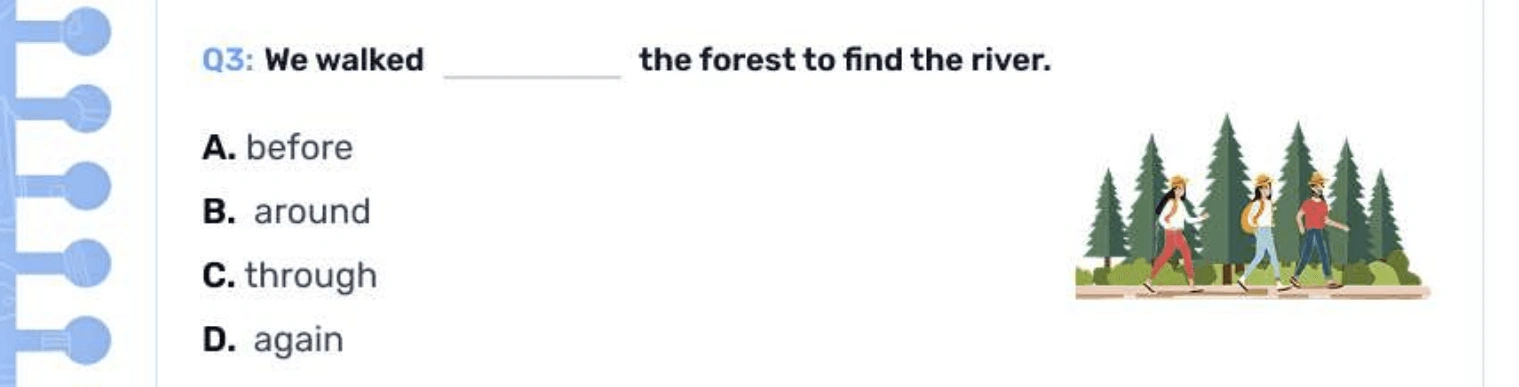
You can also find math tests as well as reading tests, free of charge. They help you assess the starting point of your child and decide if they need online tutoring.
Check the basics behind this term
Take our quick quiz to discover the perfect learning solution based on your child’s needs.
Education statistics and trends #2: Gamification as a learning tool
As 85% of US teens play computer games (with 41% playing daily), it’s natural that gamification is entering the education sphere. Game-based learning is another hot trend.

Following the trend, an increasing number of forward-looking teachers are adopting relevant, up-to-date gamification. There is also a growing number of various modern online learning platforms relying on engaging games to teach younger and older kids. The global gamification education market is projected to exceed $18.6 billion by 2033.
While numbers differ, there’s solid evidence that game-based teaching trends boost students’ participation in educational activities and help improve performance.
However, you should be careful when selecting e-learning resources for your children. Sometimes, kids get off track and focus too heavily on the fun aspect, forgetting about the core purpose of the game – learning core skills. By contrast, guided learning really helps, whether you keep your child on track or hire a professional tutor who combines human-led instruction with fun practice, as Brighterly does.
AI education trends 2025-2026 #3: Personalized AI tutors
The use of artificial intelligence (AI) is one of the most trending topics in education. Both general AI chatbots like ChatGPT and specialized AI-based online learning platforms serve as personalized tutors in any subject imaginable.
If a student struggles with chemistry, they can receive instant help balancing chemical equations, practicing naming compounds, or generating flashcards to memorize the periodic table. What previously required hours of work and several resources can now be done within a couple of seconds, with a single app.
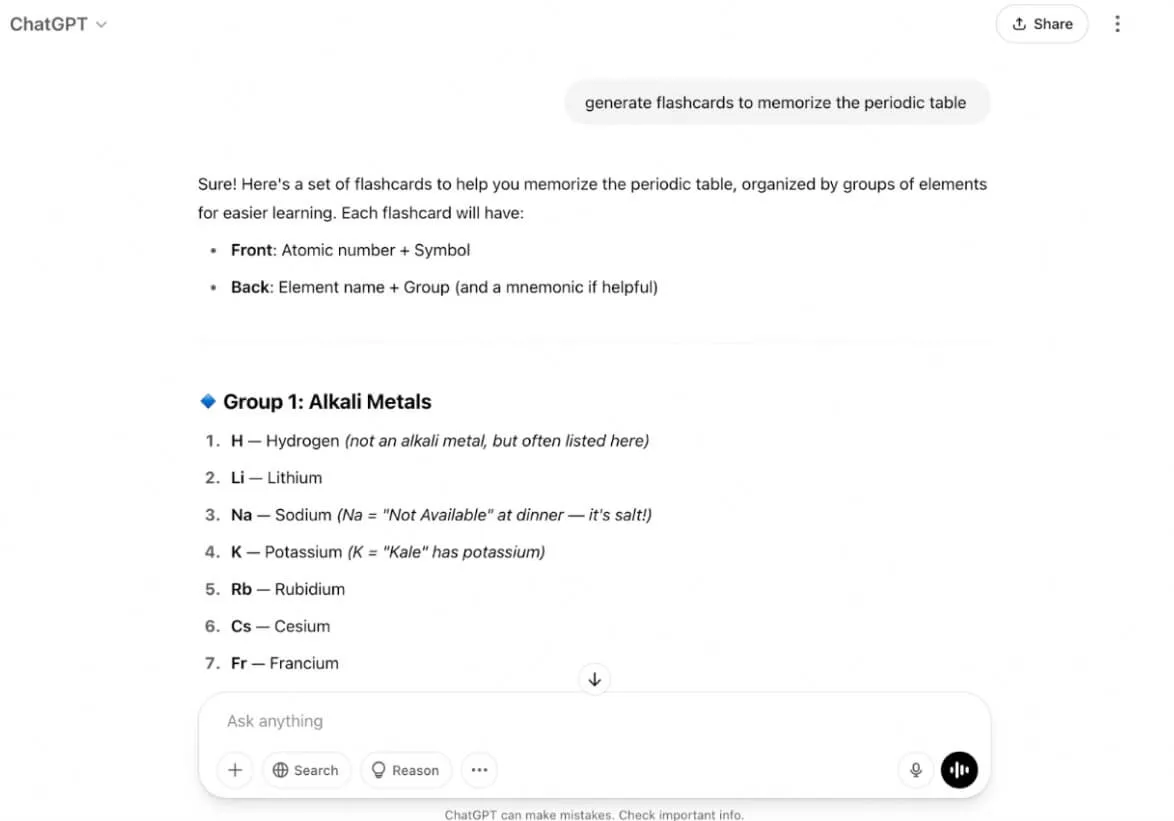
But you need to pay attention to how your child uses AI. There’s a real risk that students will over-reliance on it to complete assignments, leading to a diminished rate of learning. Also, the information provided by AI tools is not always 100% accurate, and children might not know how to distinguish between what’s true and what’s not.
Trends in education #4: Mobile learning
Mobile learning is gaining traction, and the trend is likely to accelerate in 2026 and beyond. 94% of young people use their smartphones for educational purposes, turning mobile learning into one of the most popular technology trends in education.
Using your mobile phone for studying offers many benefits: you can learn anytime, even on the go, and access any resource you need in minutes.
But once again, parents need to make sure their children work on appropriate learning apps primarily for educational purposes, rather than wasting time on social media. Experts warn against the drawbacks of overusing mobile devices. Geillan Aly, an experienced math educator, says:
“As wild as this is as a math educator, the biggest skill challenge I see is a lack of reading…”

Global online education trends 2025-2026 #5: Video-based learning
83% of learners prefer the video format over written text or audio only. Additionally, 94% of teachers observe that video learning increases students’ satisfaction levels. These numbers point in one direction: Video-based learning is one of the hot topics in education.

The great thing about video learning is its versatility. You can use it for any subject and choose from a variety of video types, including live video classes, prerecorded lessons, animated videos, and instructor-led videos. Each one serves a different purpose and has pros and cons.
As a teacher, I’d say the most effective type of video-based learning is 1:1, customized study, like tutoring. While generic videos can add some value, they lack the advantages of real-time videos.
US education statistics #6: Growing homeschooling options
Nearly 6% of US school-aged children are homeschooled due to the various benefits of homeschooling. It’s grown significantly since the Covid-19 pandemic, along with roadschooling, as parents enjoy the digital nomad lifestyle.
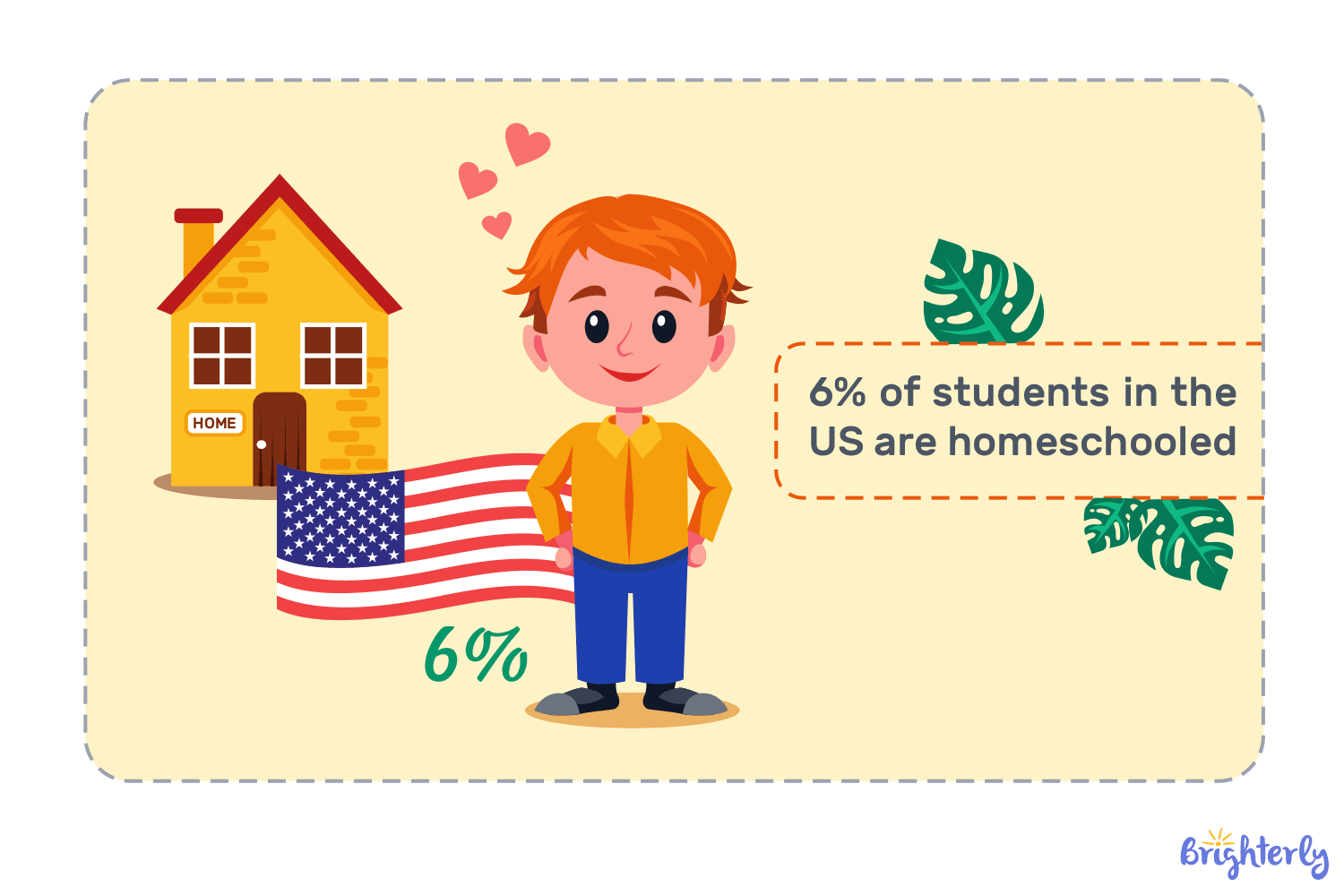
As one of the fastest-growing education trends 2024-2026, this development led to the emergence of multiple homeschooling programs and a plethora of homeschooling resources to support parents who choose this method.
Note: Brighterly also offers a leading homeschool math program that aligns with US standards (if you ever want to transition to the public school system) while meeting the unique needs, goals, and preferences of each child.
Recent trends in education 2025-2026 #7: Focus on soft skills
In 2025-2026, soft skills are as important as tech skills. According to 92% of talent professionals, soft skills matter as much or more during the hiring process.

Developing soft skills starts at an early age. Teamwork, communication, critical thinking, and problem-solving are among the most valuable capacities kids carry into adulthood, influencing how they build their careers and relationships and navigate real-world problems. Soft skills play a crucial part in emotional development as they teach children how to resolve conflicts, stay motivated, achieve good results, and focus on what’s important.
Theresa Bertuzzi, Founder of an award-winning early learning center and daycare provider, shares:
“The trend that has the biggest impact is teaching social and emotional skills as part of regular school, not as an extra. .”

You should begin to install these skills to your children in kindergarten. When choosing the right schools, afterschool enrichment activities, and online programs, focus on those that work simultaneously on hard and soft skills.
Top education trends for K-12 in the United States #8: Alternative assessments
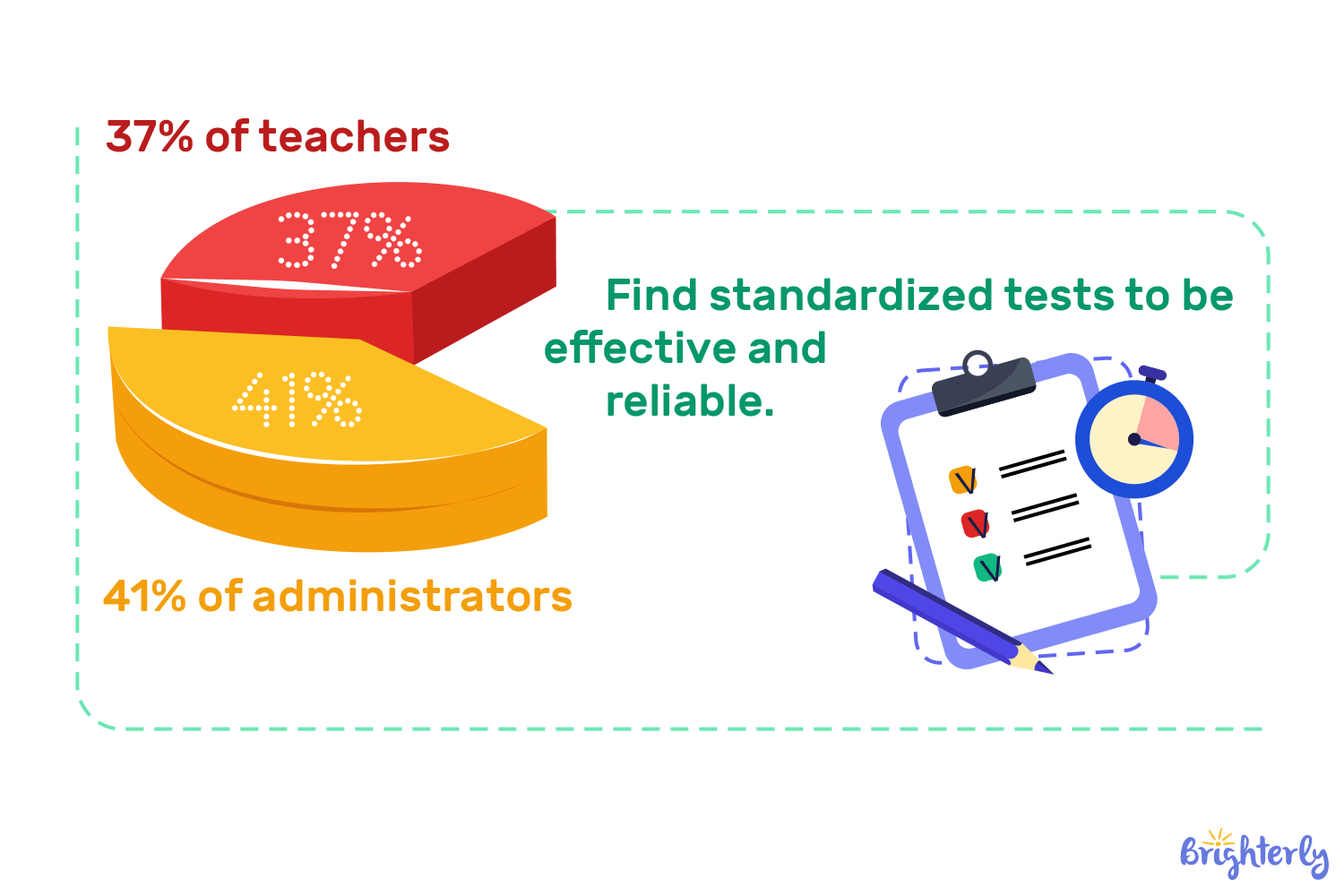
Another of the current topics in education centers around standardized tests. In the environment, both educators and parents see types of exams as the least effective measure of student success. According to the 2022 research, only 37% of educators and 41% of parents consider them highly relevant. During the pandemic, some institutions removed SAT/ACT requirements and started focusing on alternative ways of evaluating students’ knowledge and skills.
The main reasons to opt for alternative testing include:
- Students from wealthy households perform better on standardized tests.
- Students’ GPA is a 5x stronger predictor of college graduation than test scores.
- Many believe standardized testing may be classist and racist.
Regardless of how your child plans to continue their education after high school, it’s crucial to help them build core skills and advanced knowledge so they’re ready for traditional and alternative assessments.
Trending topics in education #9: Teacher shortages
About 6.5% of teachers leave the profession every year, and 54% of them are likely to do so in the next 2 years. Based on education trends 2023, the teacher shortage reached 110,000 in the 2023/2024 academic year and is expected to almost double to 200,000 by 2026.
The key factors driving the teacher shortage in the US educational system are:
- Low pay
- Rigorous qualification requirements to secure a first-time position
- Excessive stress
- Lack of prestige
- Lingering impact of the COVID-19 pandemic
The insufficient number of qualified teachers leads to unqualified hires. If that’s the case at your child’s school, you might need to look into supplementary instruction and practice, like tutoring, at least in core subjects.
Current trend in education #10: Real-world, project-based learning
In 2025-2026, K-12 education focuses on real-life, project-based learning. Pure memorization has proven ineffective as it doesn’t do much for brain development. Meanwhile, hands-on math activities, for example, help improve children’s comprehension and memory.
Parents can use situations and manipulatives from the world around them to enhance learning. Cooking and using everyday objects are a few smart ways to teach division.
What are the newest trends in education?
- Neuroeducation
- Adoption of big data
- Greater need for independent teachers
- Immersive learning
- Mental health integration
Top education trends in America #1: Neuroeducation
Neuroeducation – an interdisciplinary field that combines neuroscience, psychology, and education – is gaining momentum among trends in teaching. Neuroeducation practices are grounded in neuroscience and offer an alternative to traditional learning methods, such as memorization-based learning, in-person lectures, all-purpose lessons, and unguided homework.
Recent research is rejecting standard ways of teaching, pushing towards more integrated approaches that consider the individual needs and psychological well-being of the child as well as their academic success.
Parents’ role is to seek out educational options that incorporate these styles to help their kids become modern learners.
EdTech trends & statistics #2: Adoption of big data
Big data and analytics are permeating every aspect of life, including education. The majority of K-12 education institutions, colleges, and universities have implemented learning management systems (LMSs), using the data to track individual students’ performance and general trends in students’ achievements.
Like other recent trends in educational technology, this removes bias and provides educators with a clear perspective of how children are doing. LMSs help teachers evaluate which methodologies, tools, and assessments work well and which don’t. In this way, they can steer teaching in the right direction to serve the needs of diverse learners.
Online education trends #3: Greater need for independent teachers
With the emergence of intuitive online platforms, many entrepreneurs are creating their own courses. This covers both traditional school subjects and outside-the-box topics of interest to learners of all ages.
To underpin these emerging trends in education, Thinkific, a platform helps sell online courses, reports it has more than 1 million courses published and over 378 million course enrollments on its platform. Other online course platforms are experiencing similar success.
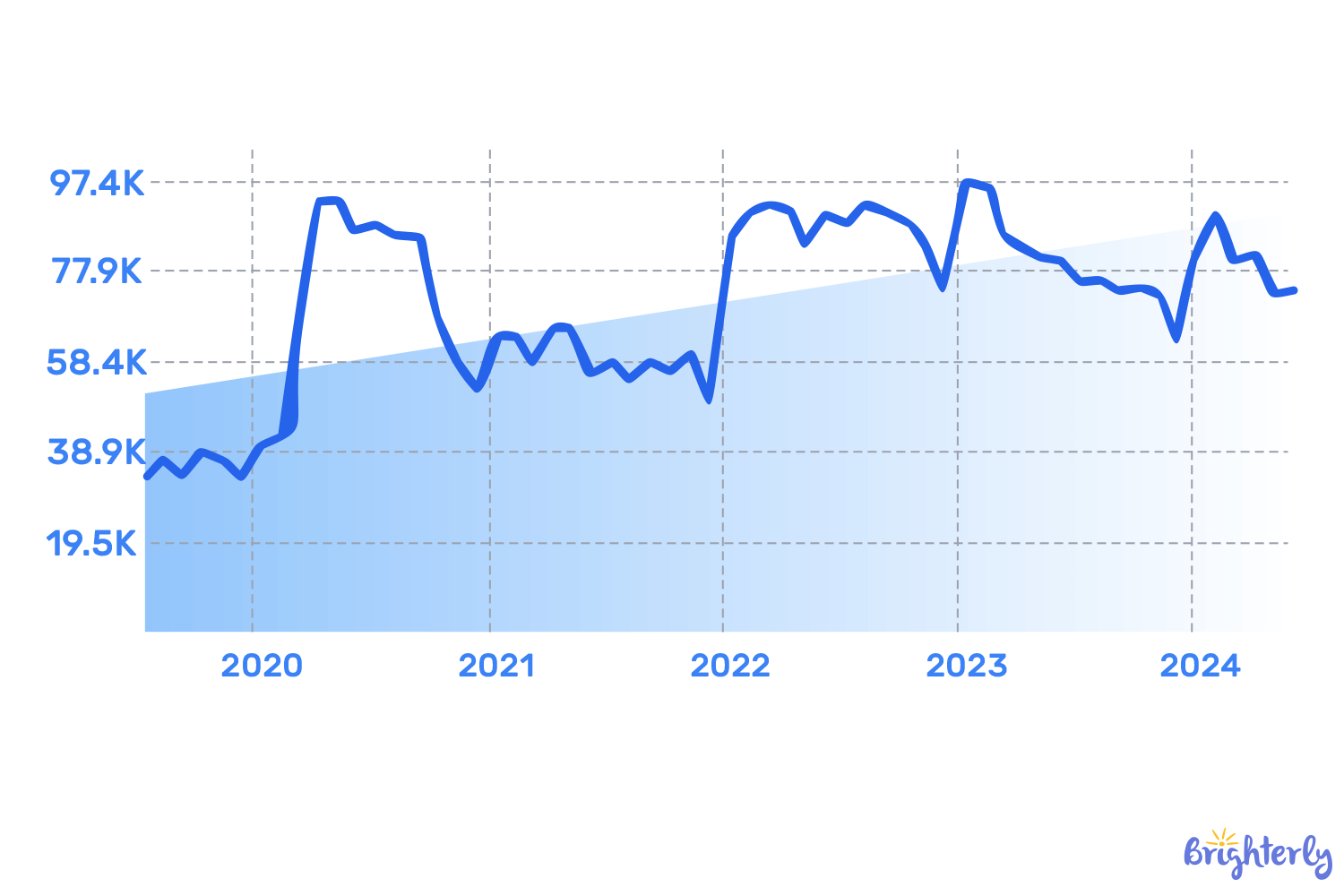
As parents, you can take so much advantage of this new trend to provide your child with quality education. You can also help them develop extracurricular interests. But be careful to check out the reputation of platforms before exposing your little learner to them.
Current educational trends #4: Immersive learning
Immersive experiences and 5G tech are set to revolutionize online education in 2025-2026. Virtual, augmented, and mixed reality (VR, AR, MR) are frequently applied in learning, and these new trends in education are only expected to grow.
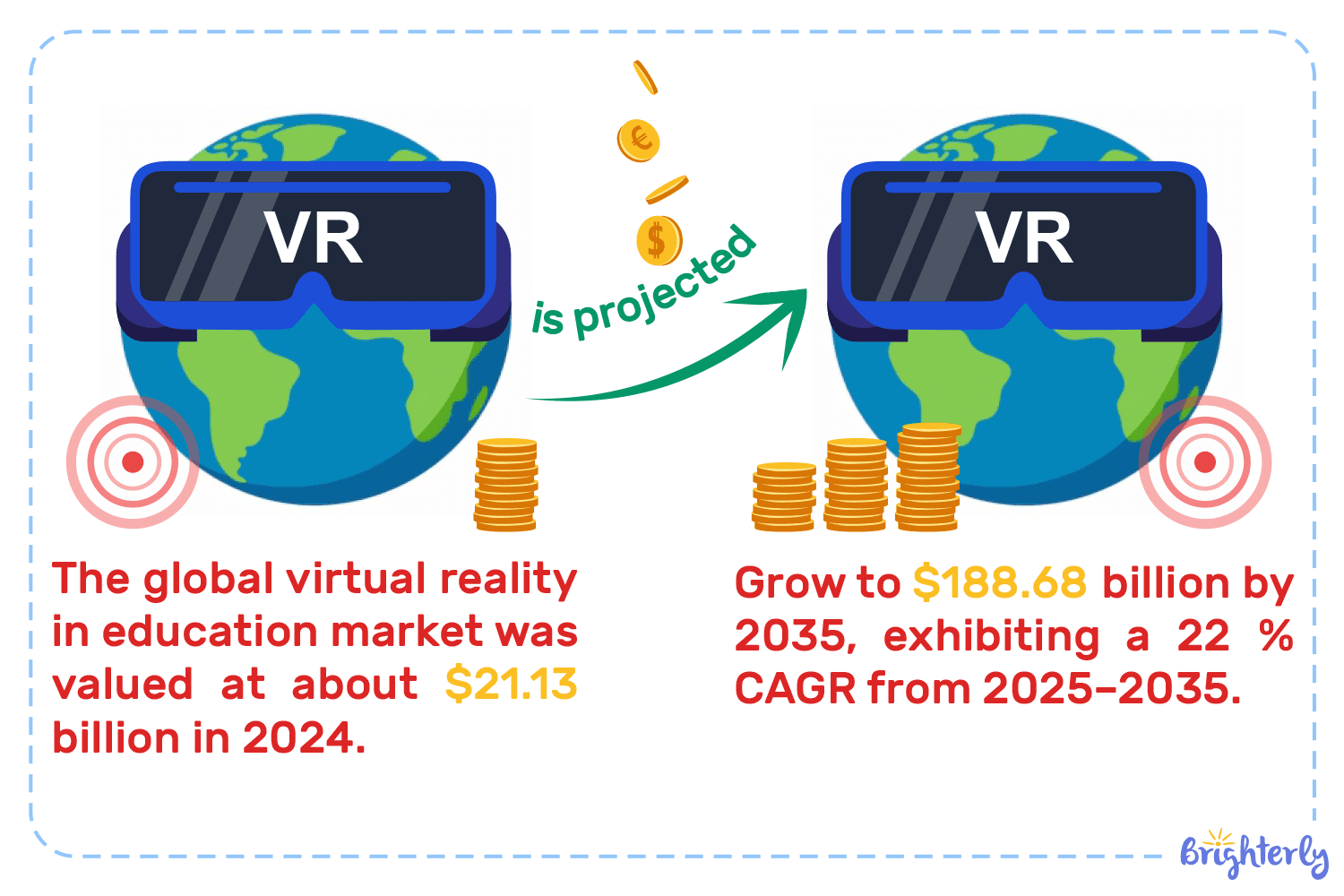
In fact, the global virtual reality in education market was valued at about $21.13 billion in 2024 and is projected to grow to $188.68 billion by 2035, exhibiting a 22 % CAGR from 2025–2035.
From parents’ point of view, just like with any other tech in education, balance is key. While you should absolutely use modern technologies to keep your child up-to-date, you should never underestimate the importance of real teachers.
Top education trends #5: Mental health integration
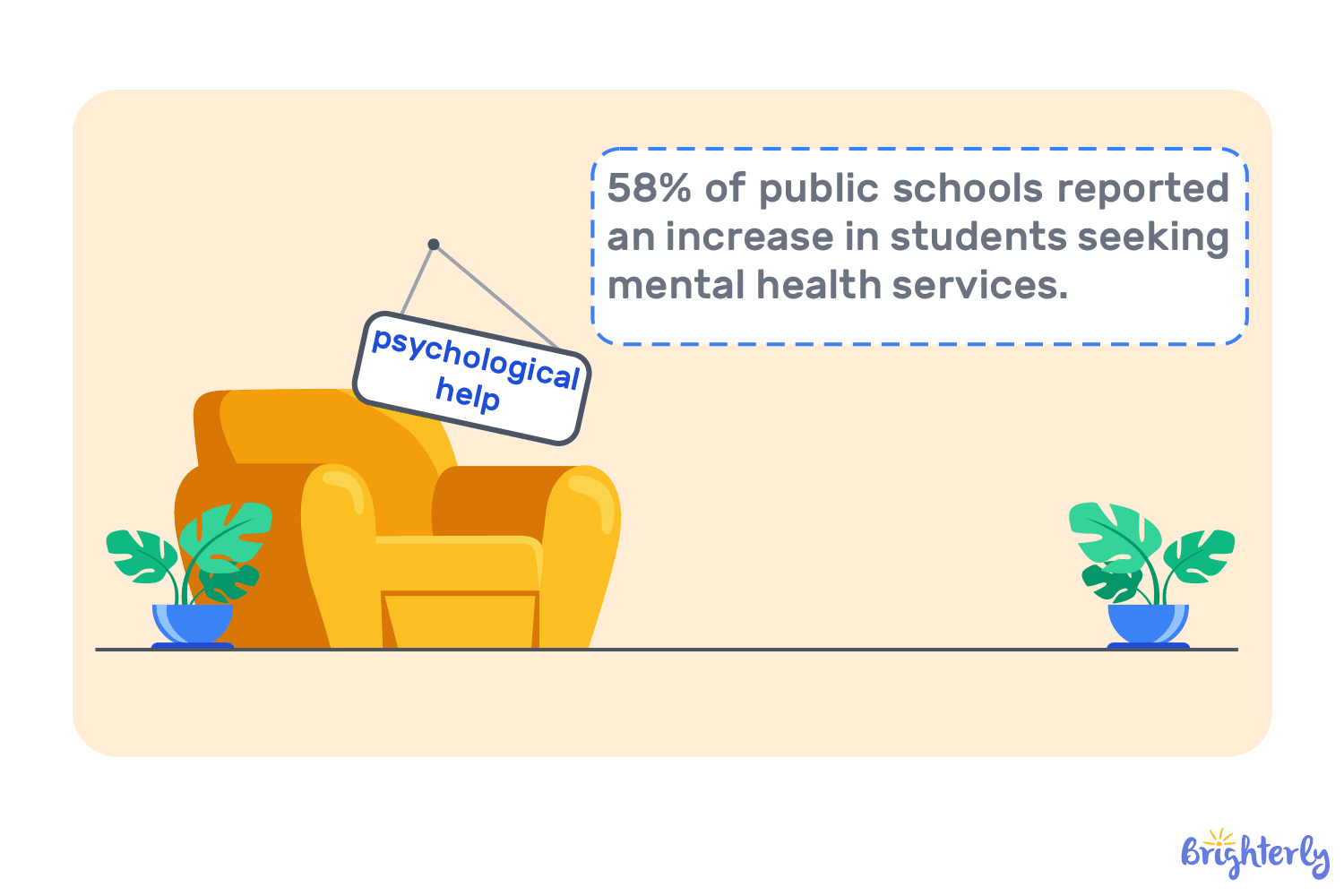
Mental health is no longer a side note in education – it’s becoming the core focus. In 2024, 58% of US public schools reported a growing number of students looking for mental health services.
Online platforms and teaching methods are integrating features and techniques that support student well-being. Online learning sources include mood tracking, mindfulness exercises, and AI-powered emotional check-ins. Schools are recognizing that academic success is closely tied to mental health, providing educators, parents, and students with real-time insights and support.
Parents should pay close attention to the psychological well-being of their child. That’s why, you should always seek learning options that offer support and fun activities to balance the stress.
Early childhood education trends to watch in 2025 & 2026
Holistic development
In recent years, early childhood educators have paid increasing attention to holistic development, which aims to address the whole child from an academic, emotional, social, and even physical perspective. Programs are becoming well-integrated, combining academic knowledge with social skills, and emotional well-being with physical preparedness.
These current trends in elementary education and before aim to support young kids to grow into well-functioning teens and adults. There’s a lot that parents can do in this regard. For example, don’t limit your child to mastering core subjects only. Let them enjoy playtime and explore fun extracurricular activities.
Family engagement
Another of the driving early childhood education trends to watch in 2025 & 2026 is family involvement in the learning process. Kindergartens and primary schools seek to build two-way partnerships with parents based on trust, respect, support, and cooperation. This supports decision-making, culturally responsive practices, and setting up priorities correctly.
Parents are a key partner in this. They should be ready for open communication, active participation, and meaningful contributions. After all, no one knows your child more than you, and no one wishes for their success more than you.
Leading current trend in education: Personalized learning
While emerging trends in education in 2025-2026 are diverse, one unifying theme is personalization.
What are the benefits of personalized, adaptive learning?
- Increased motivation
- Significant knowledge gains
- Stronger class attendance
- Higher course completion and graduation rates
Educational personalization has clear advantages, and the recent tech boom has made it effortless to implement. Teachers can use tools to individualize students’ learning paths. Parents can choose platforms that support customization. Students can mix and match activities and build their own studying plan.
Check the basics behind this term
Take our quick quiz to discover the perfect learning solution based on your child’s needs.
What is the next big thing in education?
Among all these trends, I see personalized learning as the future of education. It has unmatched power to bring positive results for students, both academically and emotionally. Individualized learning paths and materials boost students’ interest, motivate them to persevere, and make them graduate more often. This results in clear gains for educators and parents too.
Benefiting from new trends in education: Conclusion
These are the hottest issues and trends in education. As you can see, the main focus is on the increasing use of technology in the field, which allows personalization and immersion. However, the human element continues to play a crucial role in building soft skills, confidence, and psychological well-being.
If you’re looking for the best way to keep your child’s education aligned with trends, check out Brighterly.
The Brighterly tutoring platform offers:
✅ 1:1, personalized, video-based instruction and practice in math, reading, and writing
✅ Building knowledge, soft skills, and confidence
✅ Well-balanced combination of teacher-led instruction and gamification
Ready to boost your child’s success at school? Book free lesson now to test the power of personalized, tech-supported, game-based learning.


As your child progresses with fractions, they’ll eventually need to learn how to perform basic operations like addition. That’s where many of them stumble. In this review, I present six practical strategies to show your child step by step how to add fractions without stress. Key Points Adding fractions step by step is one of […]
Mar 18, 2025

When it comes to Mathnasium cost, many parents doubt whether it effectively reflects the benefits they can get from this platform. That’s what I’m going to clarify in this review. Dig into pricing and features, and make an informed choice — it’s easy when you have all the information at hand. Summary: The cost of […]
Apr 27, 2025
Math & reading from 1st to 9th grade
Looking for homework support for your child?

Choose kid's grade

Math & Reading for Grades 1–9
Build real confidence for your child with a Brighterly math or reading tutor.