How to Help Kids with Spelling: A Simple Guide for Parents
reviewed by Laila A. Lico
Updated on March 4, 2026

Children who struggle with spelling develop negative feelings for ELA and start avoiding writing. While learning to spell is part of the educational process, it causes tension within the family and despair for parents. To help you address this challenge, this article presents 7 practical strategies on how to help kids with spelling without unnecessary stress.
Key points
- Children usually start writing simple words correctly around ages 5-7. By 8-9, most can write basic texts with few mistakes.
- Common reasons children struggle with spelling include weak reading skills, unclear explanations, fear of mistakes, hearing or motor challenges, and differences in learning.
- An effective way to help kids with spelling is getting guidance from professional tutors, like those at Brighterly.
- Other proven techniques to improve spelling skills include printable worksheets, fun spelling games, multisensory practice, word groups, phonics-based learning, and mistake-focused exercises.
At what age should a child be able to spell words?
Children usually start writing their first simple words around age 5. These are often their own names, “mom,” “dad,” or other short, familiar words. By ages 6-7, kids begin learning letters and forming more words. By 8-9, most can write simple sentences with only a few mistakes.
Of course, every child is unique, so these are just general guidelines.
Basic spelling rules for kids
- One letter usually represents one sound. At the start, it’s important to explain to your child that each letter has its own sound. For example, in the word cat, the letters c, a, and t are pronounced as separate sounds.
- Break long words into smaller parts. For instance, the word elephant can be split into el-e-phant. This makes it easier for the child to control spelling and gradually get used to longer words.
- Learn common spelling patterns. Many words share an ending or a letter combination like -ing, -ed, -tion, or -ight. When a child remembers these patterns, writing words becomes faster and easier because the brain recognizes familiar structures.
- Work on tricky letters and sounds separately. Some letters can sound similar or different depending on the word: c vs k, s vs z, th. A child needs to learn to tell them apart. For example, cat and kite start with different letters even though the sounds may seem similar. This helps avoid common mistakes.
What is the best way to improve spelling?
The best way to improve spelling is to combine reading, regular writing practice, and clear explanations of the rules. Kids need to understand why a word is spelled a certain way; simultaneously, they shouldn’t be afraid of making mistakes. And one more time: the key to success is regular practice.
The last point is repeatedly emphasized by early development experts. Theresa Bertuzzi, a certified and experienced primary school teacher, reminds parents of the benefits of short, regular activities when providing spelling help for kids.
“Copying a word 10 times is not the most effective way to help kids improve their spelling.”


Top 7 spelling strategies for kids
- Professional guidance
- Practice with worksheets
- Fun spelling games
- Multisensory learning
- Word groups
- Phonics-based instruction
- Mistake-focused practice
Improve spelling with professional guidance
Best for: K-12 students who need extra support
The first strategy of how to help your child with spelling is with support from professional reading tutors. Certified teachers know the subject inside and out and have a lot of experience working with kids. Plus, a tutor is familiar with common spelling mistakes, so they pay extra attention to tricky details. They can clearly explain the logic behind spelling rules and the language itself. Additionally, your child hears correct pronunciation from the start.
Get spelling help from Brighterly
The Brighterly math and reading learning platform offers a well-balanced reading program that supports all aspects of language learning. Children develop phonemic awareness, reading, writing, spelling, and pronunciation, and each skill naturally reinforces the others.
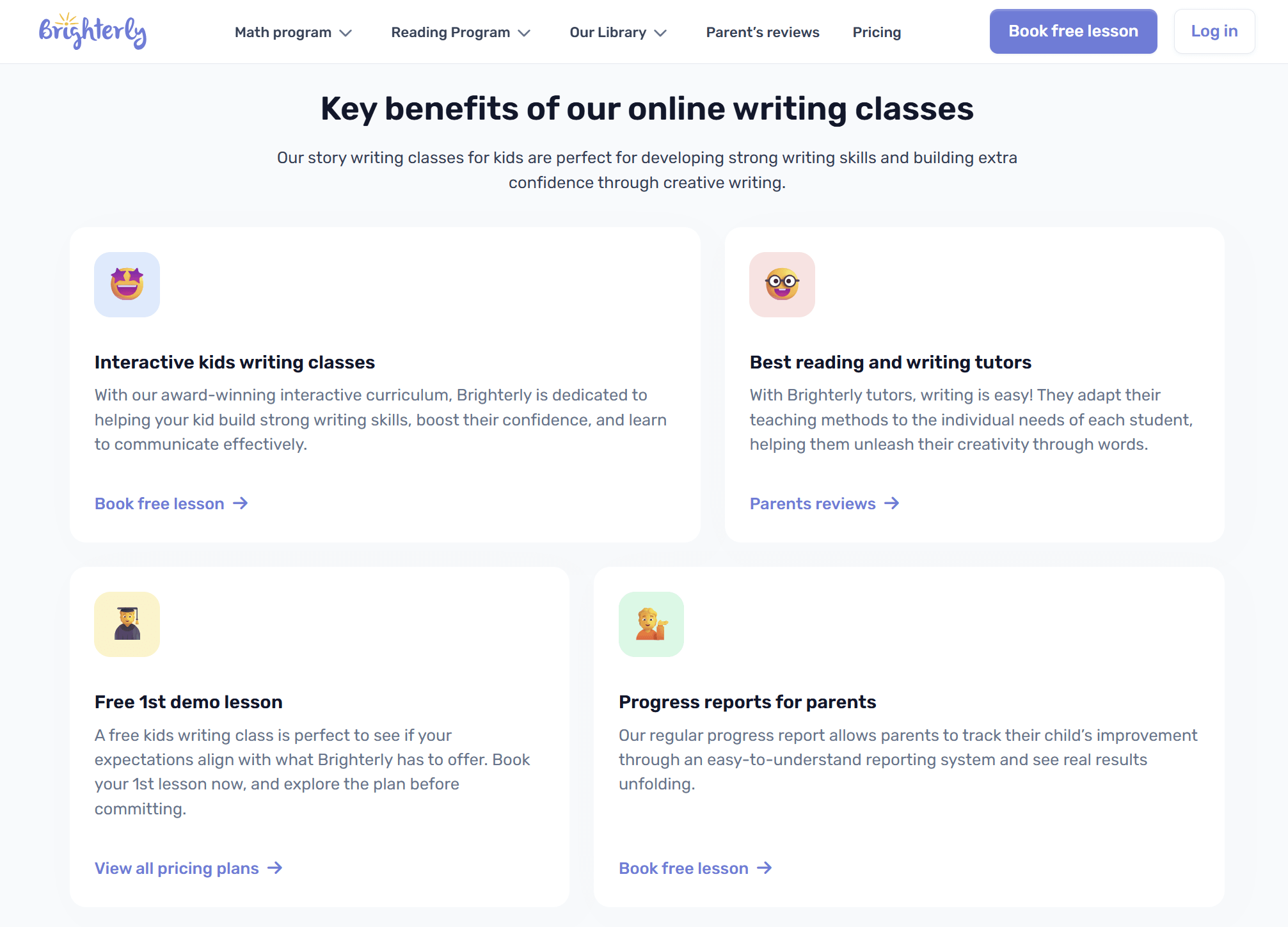
Through private online tutoring, Brighterly offers a personalized approach. Initially, teachers give a test to assess a child’s strengths and weaknesses. Accordingly, they create an individual learning plan, choosing the right topics, tasks, and strategies to improve spelling skills. All lessons are held 1:1 with a professional ELA teacher, and classes are enriched with animations and interactive games. This mix leads to strong, consistent learning results.
Pricing starts at $17.30/lesson, with a 12-month plan and 20% savings.


Check the basics behind this term
Take our quick quiz to discover the perfect learning solution based on your child’s needs.
How to help with spelling using worksheets
Best for: All students
If you really want to help your child become a good speller, practice consistently. Daily is best with short systematic sessions. You can find exercises online, in educational apps, or on printable worksheets.
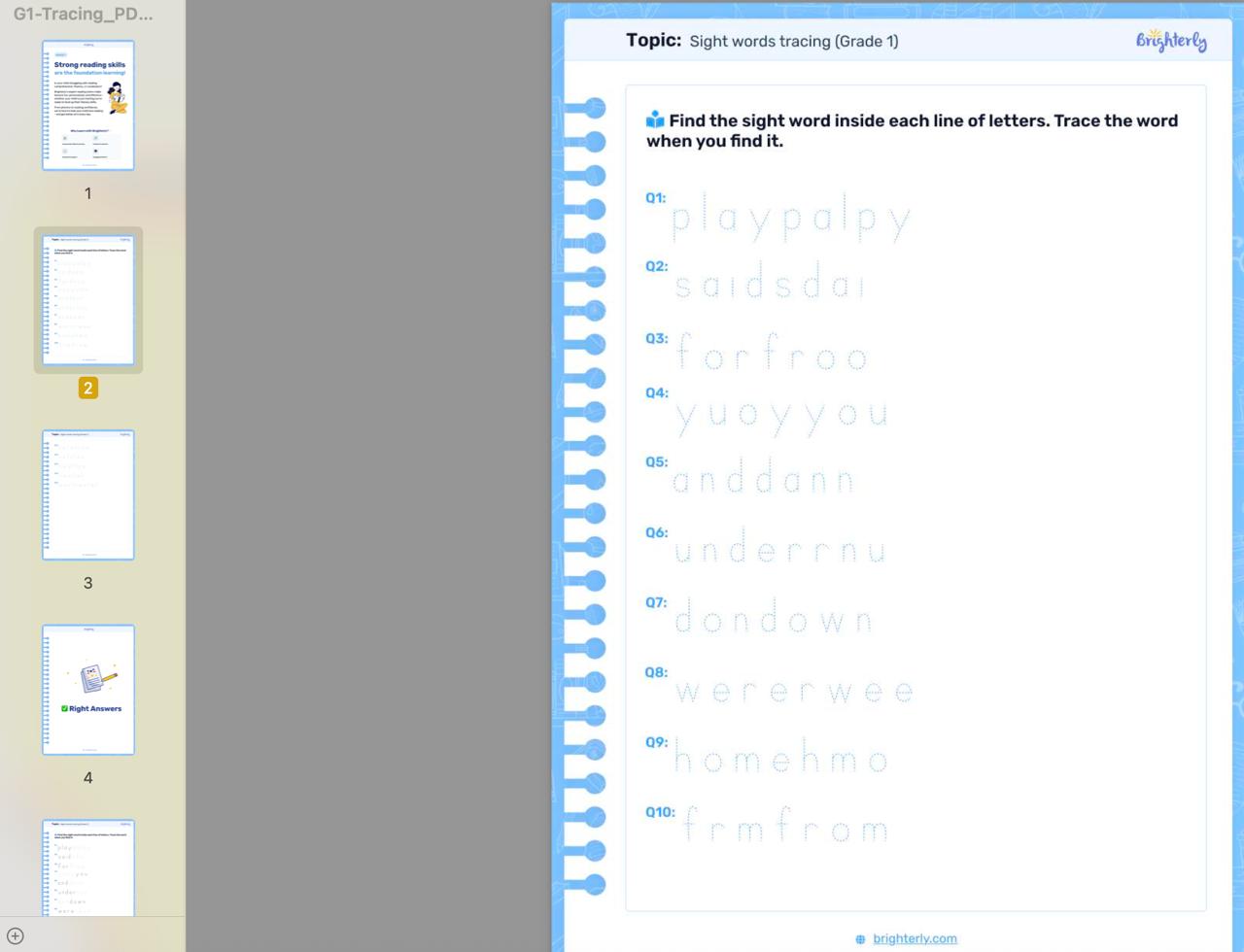
How to help kids spell using Brighterly worksheets
The Brighterly website provides free reading & writing worksheets for kids. They are developed by professional teachers and are grouped by grade and skill. Moreover, they feature fun colors, creative illustrations, and real-life examples to boost engagement. These printable papers help improve spelling with various tasks that reinforce different skills.
Fun ways to practice spelling words with games
Best for: Primary school kids who love games and movement
Learning through play is enjoyable. When playing, children absorb information effortlessly. Through educational games, they naturally get familiar with word spelling, remember letters and sounds, and pick up common spelling patterns. Moreover, the child doesn’t fear making mistakes or feel stressed because it’s just a game.
How to help kids with spelling words: Example games
- Game: “Word Detective”
You think of a word, and your child becomes a “detective” who investigates it. Ask them to count how many letters are in the word and name each one. Then look for tricky letters or sounds (like th, sh, ch) and think of similar or rhyming words. This helps notice and understand patterns and sounds in a fun, curious way.
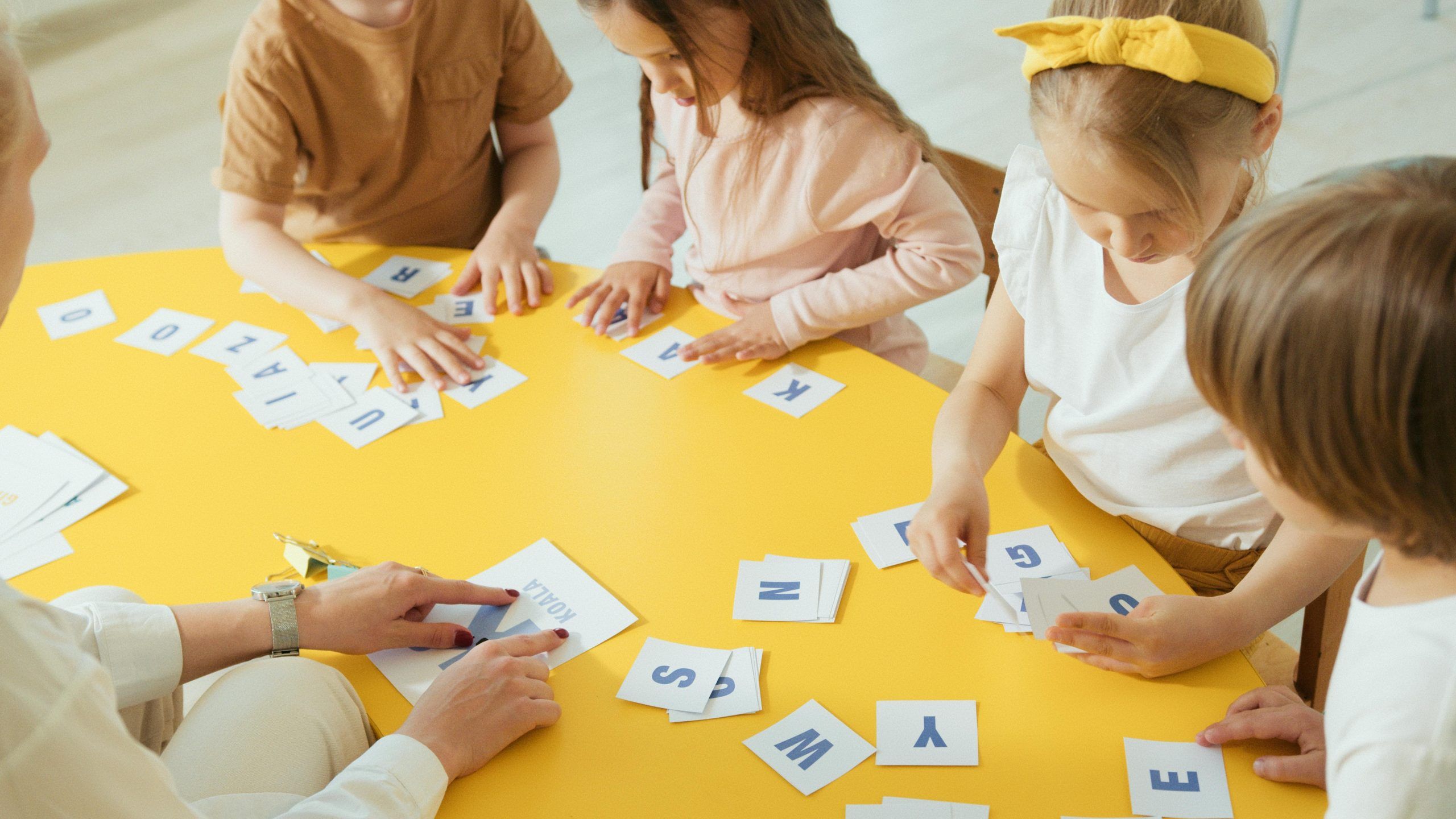
- Game: “Build the Word”
Write each letter of a word on a separate piece of paper or card and mix them up. The child’s task is to put the letters in the correct order and build the word. Start with simple words and gradually move on to longer or more challenging ones.
Note: If you want more fun ways to practice spelling, you can check out these 18 phonics games for kids.
Spelling improvement through multisensory learning
Best for: Struggling students
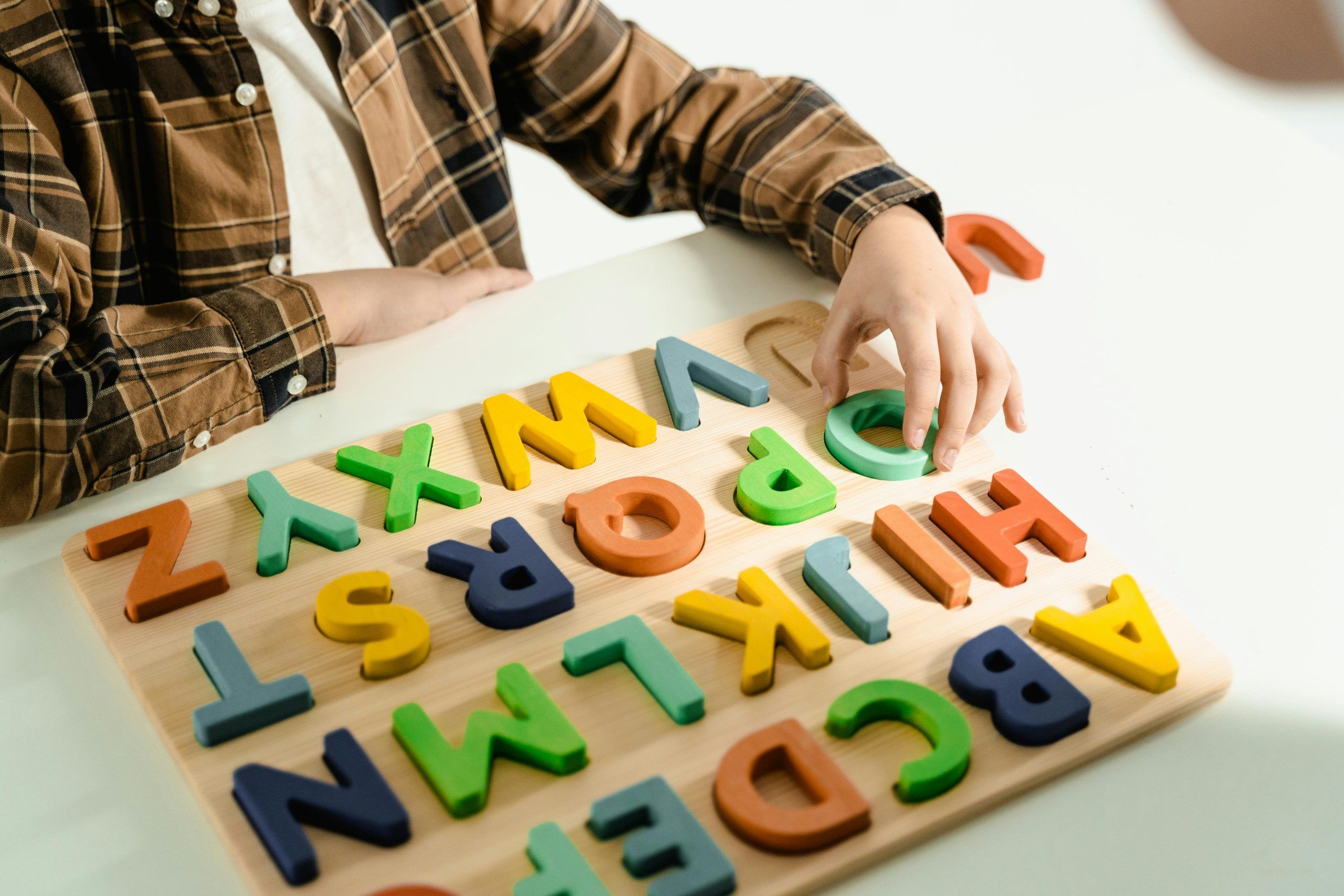
Another popular strategy on how to learn to spell better is to make use of manipulatives and visuals in your practice routine. This multisensory approach works both for small kids and those with learning challenges, such as dyslexia.

How to spell better with manipulatives
Sensory-based learning is frequently recommended by child development experts. Serina Lee, Owner and CEO at Newborn Nursery Furniture, explains the strengths of this method and how to apply it.
“Multisensory learning is much more effective than repetitive writing.”

Learn how to spell with word groups
Best for: Kindergarteners and elementary school students
A cognitive-based strategy to help your kid learn how to spell words is to sort them into families. By putting words into groups that sound and spell similarly, your child needs to learn just a few groups rather than remember every word.
Work on spelling for kids through word sorting
The effectiveness of this method is confirmed by experts. Serina Lee’s spelling tips include word groups.
“You can group by common patterns, like ight words: light, night, fight.”
Theresa Bertuzzi also recommends the word families strategy.
“A helpful trick is looking for word families.”
Examples of common word groups to practice with your little speller:
- -at family: Cat, bat, mat
- -an family: Can, man, pan
- -ig family: Pig, fig, big
- -op family: Hop, mop, top
How to help kids with spelling with phonics
Best for: Young learners
Teaching phonics at home helps to build connections between sounds and letters. By associating sounds with written letters, kids decode words and understand how they work, which supports writing correctly. Here are some interactive phonics activities for kids in kindergarten, 1st and 2nd grade to give you ideas on how to get started with this.
Offer spelling help for kids with phonics-based learning
Theresa Bertuzzi offers some practical exercises to do at home.
“Kids learn more when they understand how words work.”
For instance, to teach your kid how to spell help, ask them to figure out each sound: h-e-l-p. As you move from letters to syllables, check out these proven effective techniques for teaching syllables.
Learn to spell through mistakes
Best for: All learners
Making mistakes means that your child is absorbing new knowledge. The key is how you work with those mistakes. Don’t punish your child; instead, explain the rules calmly and patiently.
Melissa McCall, preschool literacy teacher and educational consultant in Charlotte, NC, shows how to deal with mistakes during spelling for kids at different ages.
“When it comes to correcting frequent spelling mistakes at home, we must first consider the age of the child.”
If you are working with older kids where proper spelling is more important, it is important to celebrate the letters that are correct first. When we have an error, connect the spelling back to the sounds the words make. For example, a parent might say, Let's look at cake. (spelled kake). You were so close. You got the long a sound! Awesome! You knew that K says the /c/ sound, but in this word, it is a C instead of a K. Let's write it again.

How to improve spelling through mistake practice
- Turn your child into a teacher. Write down a list of words including both correct and misspelt words. Next, ask your child to correct your errors. Your kid will be happy to show you that you’re not always right and will remember your mistakes faster than their own.
- Scrambled words. When helping your child figure out how to spell better, write some words with scrambled letters (for example, rednif → friend). The child’s task is to recognize the word and write it correctly. This exercise works on analyzing the correct order of letters and catching mistakes.
- Simple dictations. Choose words that focus on one common mistake. Teach your child the specific spelling rules and patterns that apply to this group of words. Go over examples of such words together before the dictation. After that, check the dictation together (ignoring punctuation for the time being), discussing both the words that are correct and those that need improve spelling.
Note: Make sure to concentrate on your child’s progress and reassure them. Children who hear that they are doing well become more confident and motivated to learn.
What causes a child to struggle with spelling?
There can be many reasons causing a child to struggle with spelling: lack of practice, rushing, fear of making mistakes, no clear system, or even overload at school. Sometimes a child simply hasn’t been taught the logic of English – then even simple rules seem chaotic.
Other common reasons include:
- Hearing and distinguishing sounds in words is difficult for some kids.
- Limited reading practice.
- Poor fine motor skills or handwriting challenges.
- Learning differences (dyslexia, ADHD). These children often need more repetition, structure, and support.
- Grammar rules were never clearly explained by teachers or parents.
Lisa Lightner, a special education advocate, highlights the importance of distinguishing between typical spelling development and warning signs of learning difficulties.
“Parents often ask, ‘Is this normal…or is something wrong?”
Warning signs look different. A child with dyslexia may spell the same word three different ways in one paragraph, struggle to connect sounds to letters even after explicit instruction, or avoid writing altogether. Progress feels unusually slow despite practice.

Conclusion: How to help your child with spelling
With these 7 ways to practice spelling words, you can help your child overcome learning challenges. Meanwhile, support your kid, be patient, and choose methods that feel comfortable. In this way, your child will learn confidently and feel safe as they master new skills.
If you’d like professionals to guide the learning process, try the Brighterly reading tutoring.
The Brighterly reading program provides:
✅Individual, personalized lessons with regular progress tracking
✅Interactive learning with professional teachers
✅Free reading worksheets
Plus, you will get progress tracking so you can see how your children are doing and developing. You can book free reading lesson and see if your child enjoys it.


Looking for a complete overview of the SplashLearn cost? In this article, I’ll walk you through the SplashLearn pricing plans, its cost per month, and per year. Plus, I’ll cover key features, pros and cons of the program, and other important details that parents and students should know before signing up. Key points: The SplashLearn […]

Dec 25, 2025

If you’re considering a learning platform for yourself or for your child and Brilliant.org is one of your options, it can be helpful to find out “Is Brilliant org worth it?” As a tutor with years of experience in helping kids improve their knowledge and grades, I want to help you find the best option […]

Dec 29, 2025
Math & reading from 1st to 9th grade
Looking for homework support for your child?

Choose kid's grade

Math & Reading for Grades 1–9
Build real confidence for your child with a Brighterly math or reading tutor.