Phonics vs Phonemic Awareness: Why Both Matter for Reading Progress
reviewed by Franz Jerby Delos Santos
Updated on January 29, 2026
You may’ve heard that phonics is the key to reading. But phonemic awareness plays a big role, too. Let’s figure out the difference and how to stop your kid from struggling with reading by improving phonemic awareness in particular, or phonics in general.
Key points
- Phonemic awareness is listening for and practicing with the tiny sounds that make up our speech.
- With phonics, kids learn how the sounds in their head look when they are written down as letters.
- Learning to hear sounds first makes it much easier for kids to understand letters later on.
- Brighterly helps by offering personalized reading lessons that build both phonemic awareness and phonics step by step.
What is phonemic awareness?
Phonemic awareness is the ability to hear and work with the individual sounds in speech. This tiny unit of sound is called a phoneme. Before children ever start matching letters for reading and writing, they learn to notice, for example, that ‘cat’ is made of three separate sounds: /k/, /a/, and /t/.
In the context of phonemic awareness vs. phonics, the former is a listening skill. That’s why you can practice it anywhere – even in the car or while making dinner. At this stage, kids understand how language is built. When, for instance, a child hears that ‘stop’ starts with the /s/ sound, they are getting their brains ready to eventually see the letter ‘S’ on a page and know exactly what to do with it.
When kids play with phonemes, they, in fact, are doing the following:
- Blending. You say ‘/m/ /u/ /g/,’ and they shout out ‘Mug!’
- Segmenting. You say ‘Dog,’ and they can tell you the individual sounds are /d/ /o/ /g/.
- Rhyming. They notice that ‘bat’ and ‘hat’ end with the same sound.
Note: Remember, phonemic awareness doesn’t involve looking at printed letters or books yet. It’s purely about the sounds we make when we talk. It involves mastering the onset (beginning sound) and rime (the rest of the syllable).
Why is phonemic awareness important?
Phonemic awareness is important because, without it, children struggle to connect spoken sounds to written letters. Science-based research shows that strong phonological awareness in early childhood is one of the best predictors of how well a kid will read later in school.
What is phonemic awareness vs phonics, and what does it mean for your kid’s future reading?
- Phonemic awareness is a launch point to phonics. If a child can’t hear that ‘pig’ starts with a /p/ sound, showing them the letter P won’t make much sense yet.
- Phonemic awareness enhances spelling and vocabulary. It helps them learn new words faster. All because they notice patterns in how the language sounds.
- It builds confidence. When a kid can play with sounds – e.g., changing the /k/ in ‘cat’ to a /b/ to make ‘bat’ – they are learning that language is fun and manageable for them.
- It builds a strong start for school. Experts say that kids who struggle with phonemic awareness in kindergarten often have problems with reading in the next grades.
Examples of phonemic awareness
Sound matching |
Blending sounds |
Sound deletion |
Isolation |
| This is when a kid can hear that ‘Sun,’ ‘Silly,’ and ‘Soup’ all start with the same /s/ sound. | If you say the sounds /f/ /i/ /sh/ slowly, and your child shouts out ‘Fish!’, they are successfully blending sounds together to make a whole word. | You might ask, ‘What is ‘cup’ without the /k/ sound?’ and your child answers, ‘Up!’ | If you ask your kid, ‘What is the very last sound you hear in ‘hop’?’, they can identify the /p/ sound. |
You might be wondering, what is an example of phonemic awareness in phonics? Well, phonemic awareness is about sounds, and phonics is about letters.
For example, a child hears the word ‘tap’ and identifies the three separate sounds: /t/, /a/, and /p/. In a phonics lesson, they would then take those three sounds they heard and match them to the actual letters – T, A, and P on a page to write the word.
That’s why the phonemic awareness part is ‘hearing’ the sounds, and the phonics part is ‘seeing’ the letters that represent them.

Check the basics behind this term
Take our quick quiz to discover the perfect learning solution based on your child’s needs.
Is phonemic awareness the same as phonics?
No, they are different but work together. Phonemic awareness is about the sounds you hear – you can do it with your eyes closed. Phonics is about the letters you see and how they match those sounds. Phonemic awareness happens in the ears, while phonics happens on the page.
What is phonics?
Phonics is the relationship between the sounds of spoken language and the letters we use to write them. It teaches kids how to ‘decode’ words by looking at a letter or group of letters and knowing which sound to make.
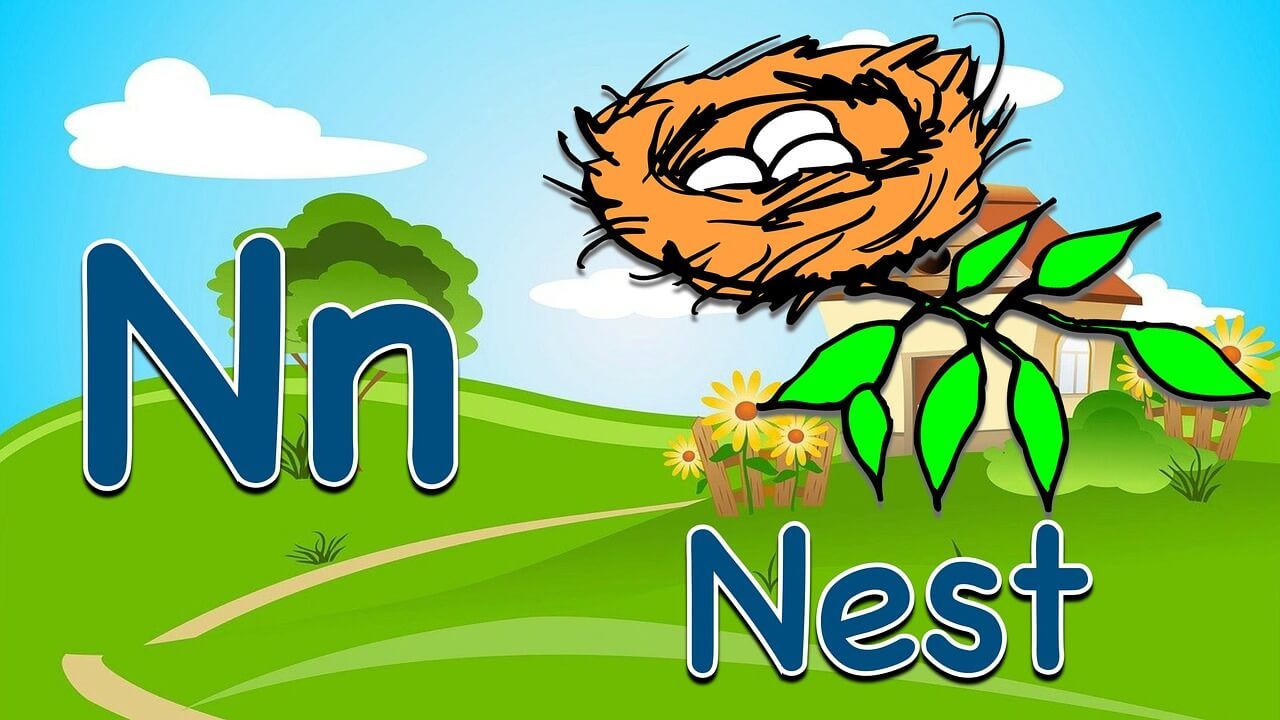
When your child learns that the letter B stands for the /b/ sound, they are learning the alphabetic principle – i.e., how letter combinations represent specific sounds. As they get better at it, they start to blend those letters together to read whole words, like seeing C-A-T and saying ‘Cat.’
Common phonics steps & how to master them
- Single letters. Learning that ‘m’ says /m/.
- Blends. Learning how ‘s’ and ‘t’ come together to make ‘st’ (like in ‘star’).
- Digraphs. Discovering that two letters can team up to make one brand-new sound, like ‘c’ and ‘h’ making the /ch/ sound in ‘cheese.’
If you’re looking for fun ways to practice these skills at home, the Brighterly math and reading platform is a wonderful place to start. They offer fantastic phonics worksheets that are colorful and engaging. Aimed to teach phonics and phonemic awareness, these sheets were developed specifically to help your kiddo master letter-sound connections.
Note: To keep the momentum going after using enjoyable worksheets, try adding in some quick phonics games for kids to help those new sounds really stick!
Example of phonics
In the case of phonics vs phonemic awareness, kids learn that specific letters represent specific sounds. A classic example is the ‘Silent E’ rule. When a child looks at the word ‘hop,’ they see three letters and say three sounds. However, when you add an ‘e’ to the end to make ‘hope,’ phonics teaches them that the ‘e’ is a ‘teammate’ that tells the ‘o’ to say its own name.
Other common examples include:
- Consonant blends. Seeing the letters ‘s’ and ‘l’ together in, say, the word ‘slide’ and learning to slide those two sounds together.
- Vowel teams. Learning that when ‘a’ and ‘i’ sit next to each other in ‘rain,’ for instance, they work together to make one long /a/ sound.
To help see the big picture, let’s look at phonics vs phonemic awareness examples side-by-side. Let’s take the word ‘Sun’:
- Phonemic awareness example. You ask your child to tell you the sounds in ‘Sun’ without looking at any paper. They listen and say, ‘/s/ /u/ /n/.’ I.e., they are working purely with the sounds they hear.
- Phonics example. You show your kid the printed word SUN in a storybook. They look at the letter S and recognize it makes the /s/ sound. Then, they do the same for U and N to read the word. I.e., they are connecting symbols (letters) to those sounds.
Check the basics behind this term
Take our quick quiz to discover the perfect learning solution based on your child’s needs.
Which should be taught first, phonemic awareness or phonics?
Phonemic awareness should generally be taught first, as it’s the foundation for all future reading. Kids need to be able to hear and play with sounds in spoken words before they can successfully link those sounds to written letters. However, once a child understands basic sounds, the two skills are further taught together.
Why is phonics and phonemic awareness important?
Together, these two skills give your kid the ‘master key’ to communication. Phonemic awareness gives them the ability to recognize sounds. And phonics gives them the tools to decode those sounds in books.
Note: For kids aged 3-4, focus on singing and rhyming first. At age 5-6, start using books to match those sounds to the alphabet.
What are the limitations of phonics without phonemic awareness?
Without phonemic awareness, children may see letters but struggle to blend them into words because they can’t ‘hear’ the individual sounds. The lack of the underlying listening skills needed to make sense of the alphabet’s code may ultimately result in slow reading and difficulties with spelling.
The ‘memory trap’
When a child hasn’t developed their listening ears (phonemic awareness), they often try to memorize what every single word looks like. Although it might work for short words like ‘cat’ or ‘the,’ it becomes impossible as words get longer and harder. Without the ability to hear the sounds /s/ /t/ /o/ /p/, seeing the letters S-T-O-P just looks like a string of random shapes.
Frustration with sounding out
Have you ever watched your kid look at a word, say each letter sound correctly, but then guess a completely different word? For example, they might say ‘/m/ /u/ /g/,’ but then shout out ‘Cup!’
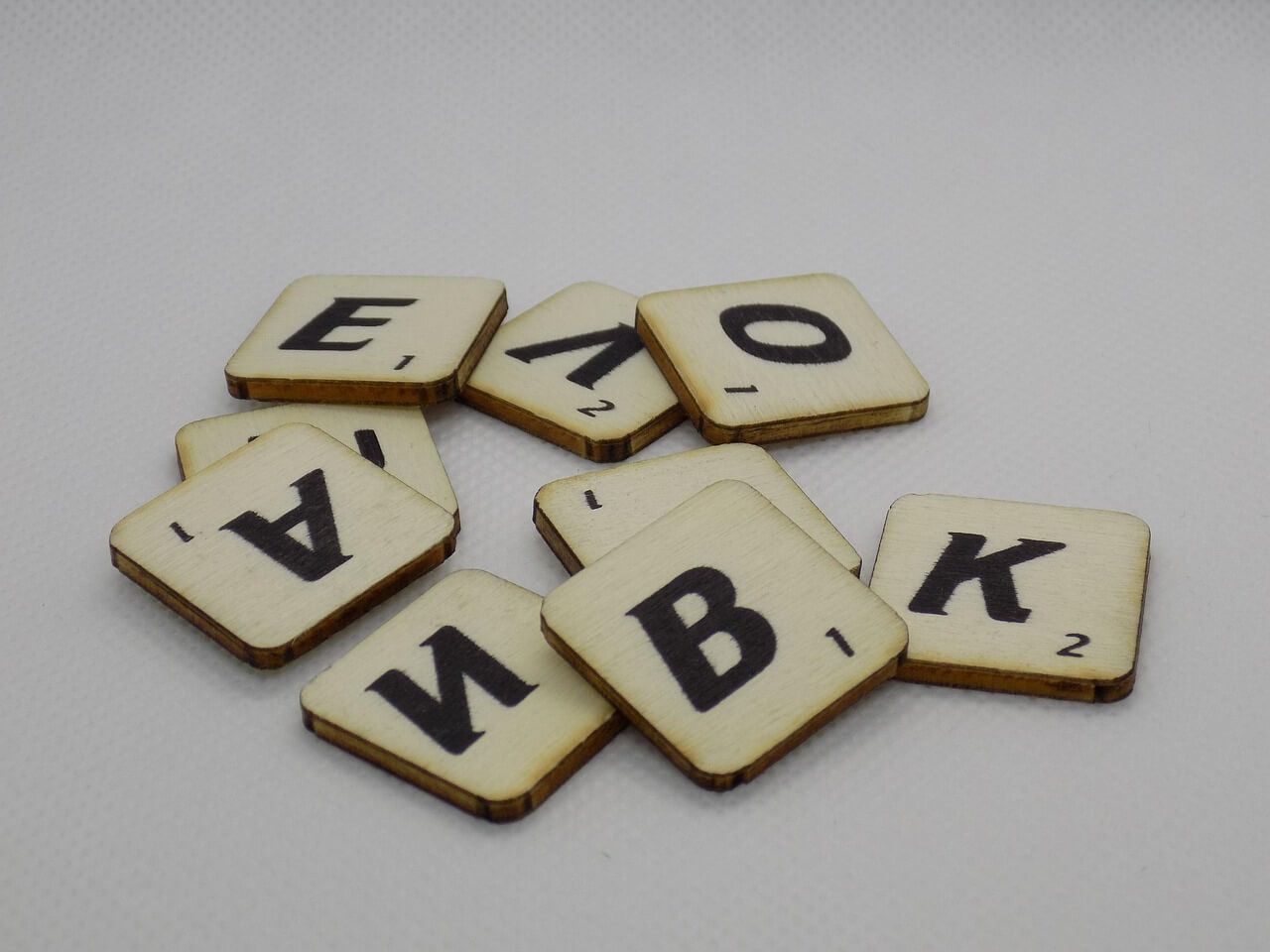
It usually happens when kids struggle with blending sounds – one of the biggest differences between phonemic awareness and phonics skills. I.e., they have the pieces of the puzzle, but they don’t know how to snap them together.
Spelling struggles
If a child can’t pull a spoken word apart into its smallest sounds, they will find it very hard to write those sounds down. They might leave out middle letters or get the order mixed up because they aren’t quite ‘hearing’ the full structure of the word yet.
What is the difference between phonics and phonemic awareness?
The main difference between phonics and phonemic awareness is how we use our senses. Phonemic awareness is an auditory skill. It’s about what your child hears in spoken words. Phonics is a visual skill. I.e., it involves connecting those sounds to the actual letters on a page.
Phonemic awareness |
Phonics |
|
| The main goal | Hearing and playing with sounds | Matching sounds to written letters |
|
Senses used |
Ears (listening and speaking) | Eyes (seeing and reading) |
| Can you do it in the dark? | Yes, no books or lights needed | No, you need to see the print |
| Example activity | ‘What sounds do you hear in sun? | ‘What sound does the letter S make?’ |
| Why it matters | It builds the foundation for sounds | It provides the code to read and write |
Phonemic awareness vs phonics: How to tell which skill your child needs
If your child has problems with reading a word, try these two quick tests to see what exactly they might need some help with.
The ‘Lights Out’ Test |
The ‘Flashcard’ Test |
|
| Goal | Checking phonemic awareness | Checking phonics |
|
Task |
Without showing your child any text, say: ‘I’m going to say a word in pieces: /b/ /a/ /t/. Can you tell me what word that is?’ or ‘What’s the first sound you hear in ‘Apple’?’ | Show your kid a single written letter on a piece of paper (like, B), point to it, and ask, ‘What sound does this letter make?’ |
| Result | If they can’t ‘glue’ those sounds together to say ‘Bat,’ or can’t pull the /a/ sound out of ‘Apple,’ they likely need more phonemic awareness support. | If your child says, ‘That’s the letter B!’, they have great letter recognition. However, if they can’t tell you the pure sound (/b/), they may need more help with phonics, which further allows them to look at a new word (like ‘bug’) and know how to start ‘sounding it out’. |
Once you know where the ‘gap’ is, you can start using phonemic awareness and phonics activities that target that specific area.
- If it’s phonemic awareness, focus on oral games – sing rhyming songs or clap out the beats in words.
- If it’s phonics, bring out the books and practice matching those sounds they already know to the actual letters on the page. You may also use Phonics activities for kids in kindergarten, 1st and 2nd grade.
Phonics and phonemic awareness: 3 proven strategies for improvement
The role of guided personalized learning
Many kids get phonics lessons at school, yet reading still feels hard. Others can hear and play with sounds but struggle when letters show up on the page. It usually means there’s a gap somewhere – phonics skills vs phonemic awareness – and it’s not always easy to spot on your own.
However, skilled reading tutors take time to see what your kid already knows and where they’re getting stuck. Maybe they need more work blending sounds. Or, phonics rules aren’t clicking yet. Either way, the instruction is explicit and intentional.
At Brighterly, for instance, lessons are built specifically around your child. Tutors follow US state standards, although they move at your kid’s pace and adjust along the way.
Why choose Brighterly for tailored learning
The Brighterly Reading program includes one-on-one personalized lessons. They are guided by a real certified tutor who adjusts sessions according to your kid’s growth.
Its reading worksheets give kids additional practice with sounds, letters, and words altogether. And that, in turn, can help stop struggling with phonics versus phonemic awareness. These sheets are free, printable, colorful, and clearly laid out.
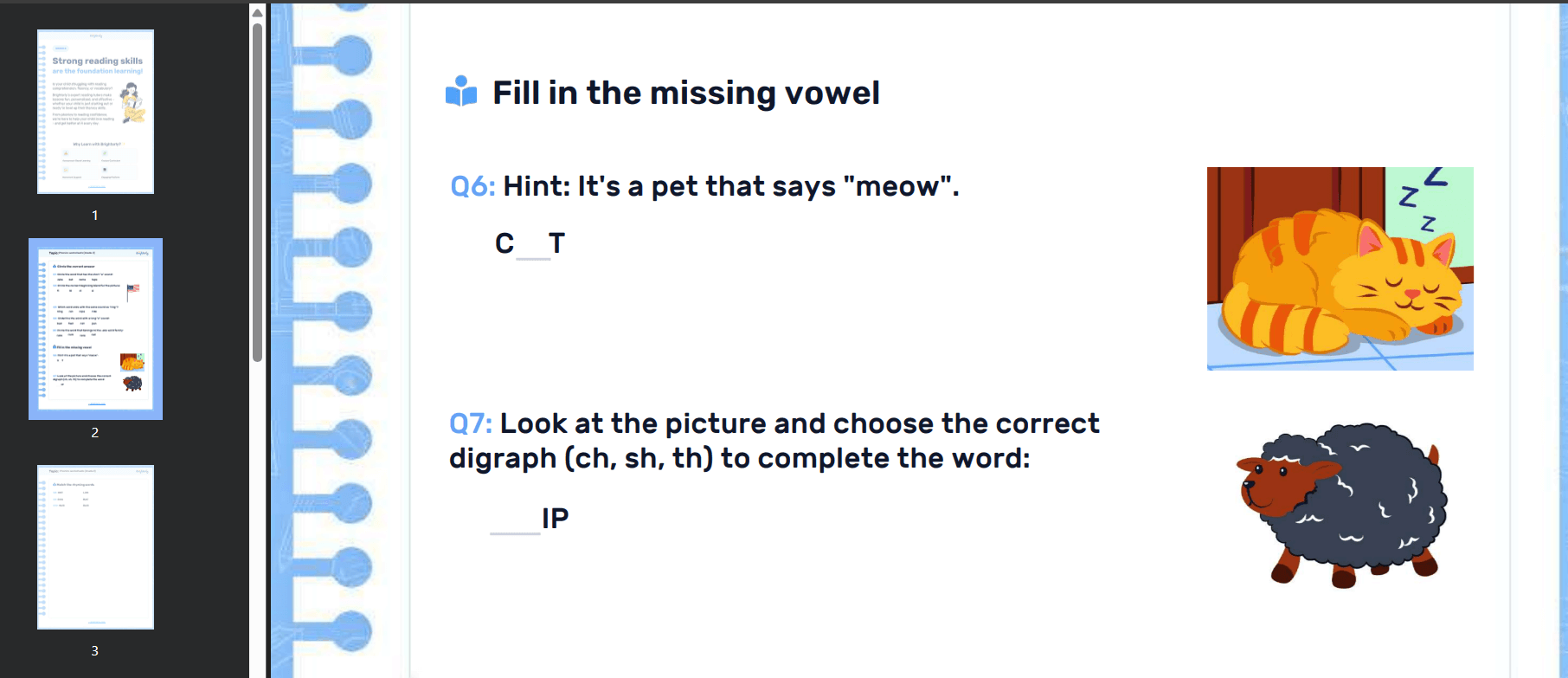
Brighterly’s reading tests, on the other hand, provide supportive ‘checkpoints’. They help you pinpoint any small gaps in your kid’s foundational skills.
Learning with the senses: See, say, and touch
In the context of phonics vs. phonemic awareness, it’s one of the most widely used methods these days. It’s based on the idea that kids learn best when they use more than one sense at a time. By ‘seeing, saying, and doing’ all at once, the brain builds more pathways to remember the information.
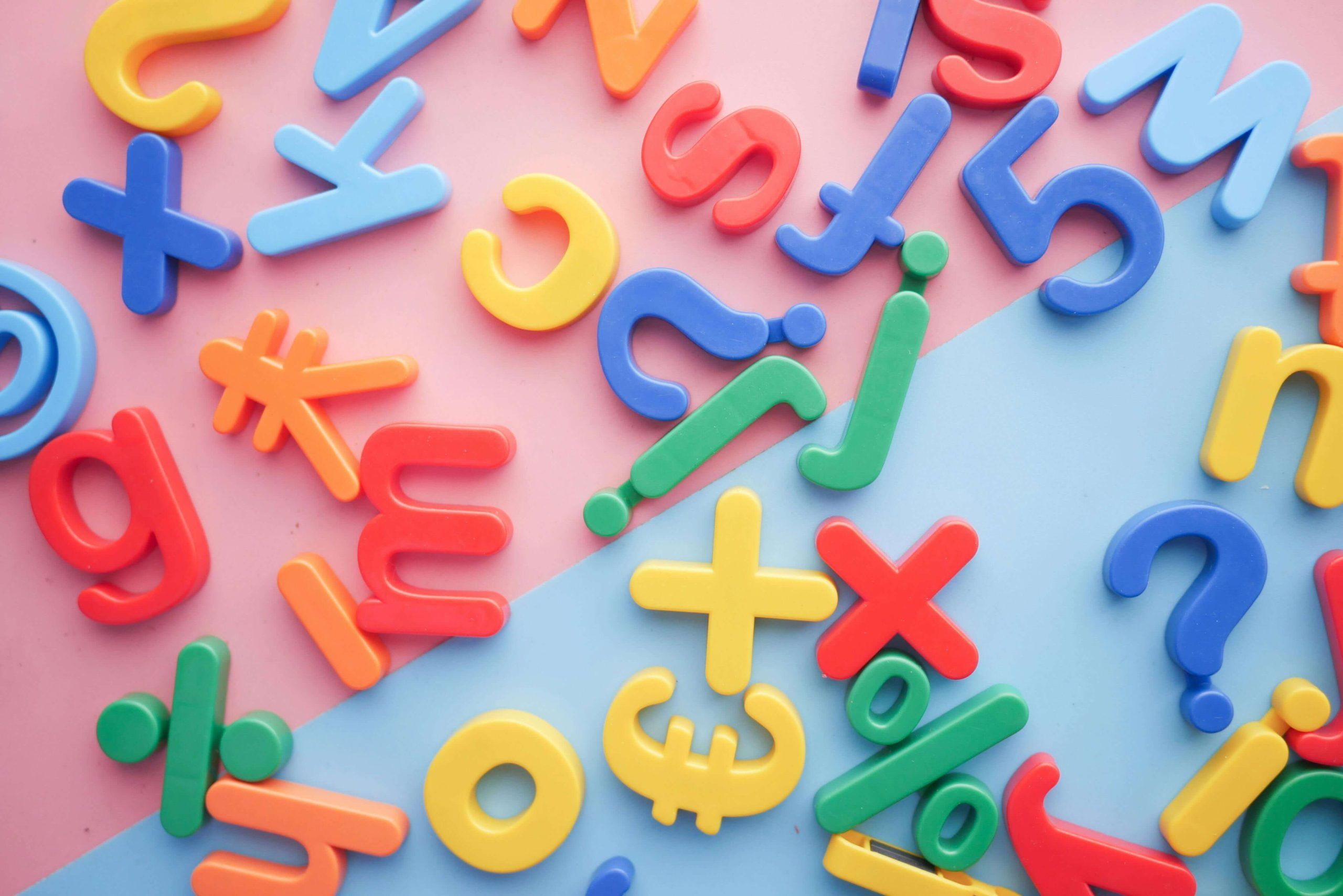
How you can do it at home: Have your kid build words with magnetic letters or trace them in a tray of colorful sand while saying the sounds out loud. That way, the abstract letters transform into something they can feel.
Structured literacy
A ‘structured literacy’ approach means teaching reading in a specific and logical order. It entails starting with the simplest sounds and moving to the more complex ones only when the kid is ready.
How you can do it at home: Focus on one ‘sound family’ at a time. For example, spend a few days playing with ‘short a’ words (like cat, map, sat) before moving on to ‘long a’ words (like cake or rain). Building these small ‘wins’ one by one helps your child feel more and more confident with every step they make on the way to mastering the balance between phonemic awareness vs phonics skills.
Conclusion: Why work on phonemic awareness and phonics
Now that you understand what is phonics vs phonemic awareness, it should be easier for you to know what to practice with your kid at home and why. However, if you’d rather opt for:
✅ Expert insight into exactly what’s holding your child back and how to help
✅ A competent tutor who works with your kid one-on-one
✅ Covering both sound-play and letter-work in every session
Book free lesson, and see how reading finally makes sense for your child.


Ever seen a kid trying to retell their favorite two-hour movie but refusing to leave out a single line? Every detail spills out, and pretty soon, the whole story just turns into noise. That is why knowing how to teach summarizing is essential. As a tutor, I’m ready to share several strategies that can be […]

Jan 28, 2026
Going through other parents’ Saxon Math reviews is one of the best ways to understand if the curriculum is the right choice for your child. I am a professional math tutor with Brighterly, and today, I will help you explore the pros, cons, and key features of Saxon Math so you can make your own […]

Jan 30, 2026
Math & reading from 1st to 9th grade
Looking for homework support for your child?
Choose kid's grade

Math & Reading for Grades 1–9
Build real confidence for your child with a Brighterly math or reading tutor.