Safe Learning Environment: 26 Strategies That Actually Work
reviewed by Jessica Kaminski
Updated on July 23, 2026

Establishing a safe learning environment is a must to predispose students to study effectively, build confidence, and grow as individuals. This article offers 26 actionable strategies on how to create a safe space that provides the right physical, psychological, and emotional conditions for fruitful education and personal development.
Key points
- A safe school environment is a space that makes students feel secure and respected, allowing them to express themselves and engage in learning without fear of harm or ridicule.
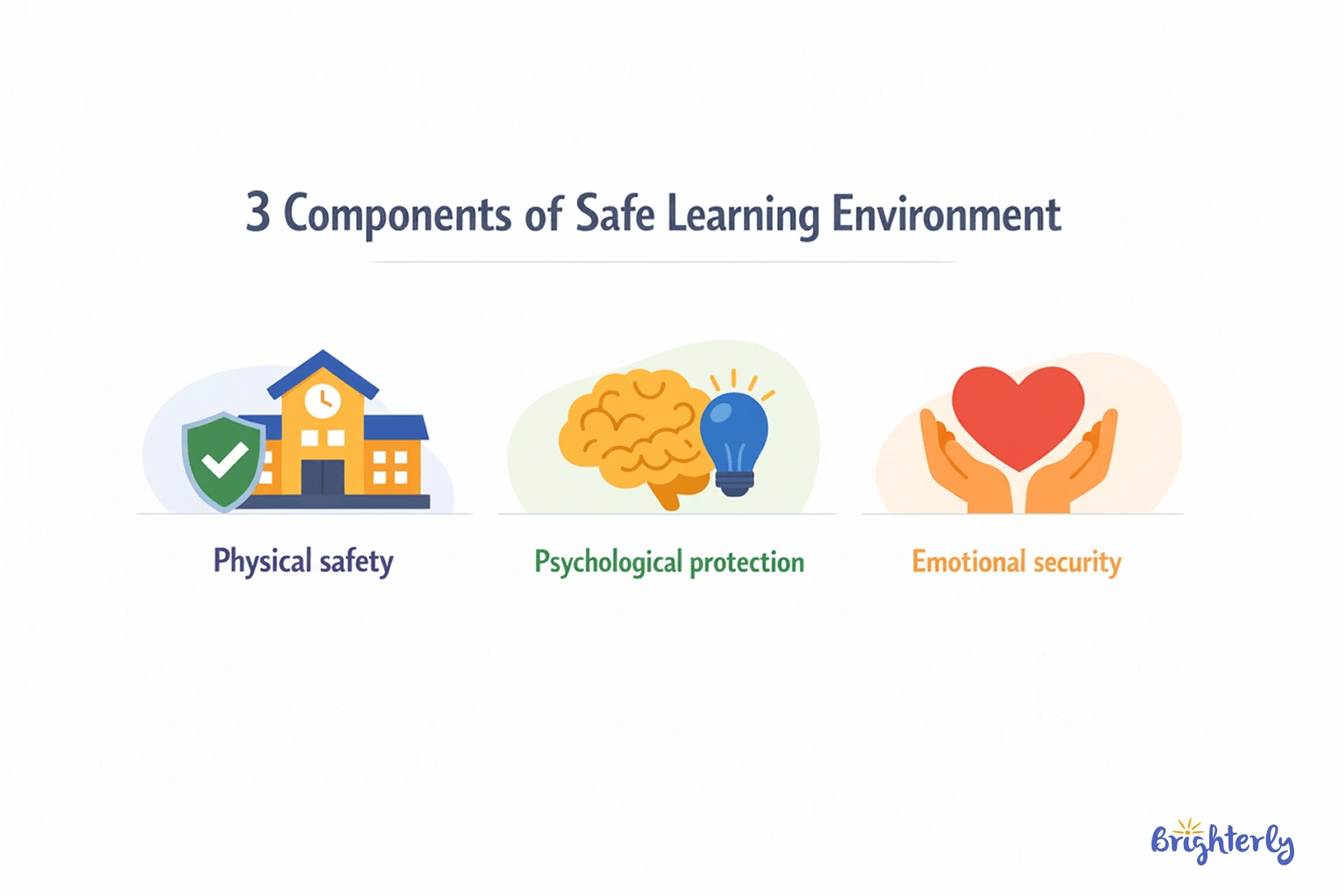
- Creating a safe learning environment requires a comprehensive approach focusing on physical, psychological, and emotional factors.
- Setting up a clean and comfortable classroom, providing appropriate supervision, and respecting personal boundaries make children feel physically safe at school.
- Communicating openly, addressing bullying right away, and celebrating diversity contribute to students’ sense of psychological and emotional safety.
- The Brighterly online learning platform builds a secure digital learning environment with moderated 1:1 sessions led by trained teachers.
How To Create A Safe Learning Environment
- Set up a clean, comfortable space
- Provide age-appropriate supervision
- Establish emergency procedures
- Respect personal boundaries and space
- Follow clear safety rules
- Have non-negotiables with consequences
- Build trusting relationships
- Maintain a judgment-free zone
- Offer honest communication about safety
- Address conflicts and bullying early
- Emphasize a growth mindset
- Hold morning meetings for safety check-ins
- Give students choices
- Celebrate diversity and inclusion
- Model calm behaviour during crises
- Read and write with your students
- Be kind and patient at all times
- Smile and laugh in class
- Teach digital safety
- Prioritize online platform safety
- Teach cyberbullying prevention
- Introduce the importance of strong passwords
- Focus on keeping software up to date
- Involve parents in school safety
- Adapt safety measures for different ages
- Use music and art
Explore Brighterly Learning Experience
Learn exactly how Brighterly helps students thrive through expert sessions, online tools, and proven feedback from thousands of satisfied parents
Physical Safety
1. Set Up A Clean, Comfortable Space
The first step to a physically safe classroom environment is furnishing a space that’s hygienic, well-organized, and welcoming. It needs to be clutter-free, with enough lighting. The classroom infrastructure should take into account the specific requirements of the age group and eliminate hazards to children’s health and physical safety and well-being.
For instance, put away sharp objects if you teach elementary school students.
2. Provide Age-Appropriate Supervision
Adjusting the level of supervision according to students’ age helps strike the right balance between safety in the classroom and independence. Young kids demand close monitoring to avoid harming themselves or their peers, while older students succeed with guided autonomy. Your goal is to prevent risks without limiting growth.
For example, an elementary school teacher needs to constantly walk between desks during class, and a middle school teacher can let students work in groups with occasional check-ups.
3. Establish Emergency Procedures
You should introduce students to school-wide emergency procedures and ensure they understand everything clearly. You need to go through the steps of an emergency evacuation and point out all exits. This will help children feel prepared and in control should something happen. And in case of an emergency, they are less likely to panic and act unsafely.
For instance, review the fire drill routes monthly, assign students specific roles, and practice exits.
4. Respect Personal Boundaries And Space
A proven way of how to make students feel comfortable in the classroom is to teach them to understand and consider personal space. While some kids are more touchy-feely, others don’t like being touched or even approached without explicit consent. That’s why you should set up ground rules and behaviors that provide an appropriate level of comfort for everyone.
For example, model the behavior you want to teach to your students by asking them for permission before you enter their personal space.
Looking for a safe learning space?
Brighterly features real-time lessons with professional teachers trained in pedagogy.
Psychological Safety
5. Follow Clear Safety Rules
Transparent and universal rules create a predictable environment where children feel emotionally secure. Expectations that are easy to understand and fair to implement make school less stressful and boost students’ confidence in their own behavior. This contributes to violence prevention.
For instance, establish a listen-without-interrupting policy and refer to it during classroom discussions.
6. Have Non-Negotiables With Consequences
Make it crystal clear what behaviors, such as bullying, are never acceptable. According to 2025 data from the National Bullying Prevention Center, 19.2% of students get bullied at school nationwide, so you have to act on this. Go a step further by introducing specific consequences for such actions to show that your classroom is a protected space.
For example, if a student teases another one, stop them right away, explain why this is harmful, and apply the agreed-upon consequences.
7. Build Trusting Relationships
Strong relationships based on trust are crucial for creating a sense of emotional safety. Wayne Lowry, Interim CEO of Sunny Glen Children’s Home, emphasizes the importance of trust between students and teachers in creating a safe learning environment.
“Creating a safe learning environment starts with making kids feel heard and respected.”


To implement this strategy, check in regularly with students, remember their interests, and follow up on past conversations to show care.
8. Maintain A Judgment-Free Zone
A judgment-free classroom encourages students to share ideas, think outside the box, and express themselves freely without fear of embarrassment and criticism. This contributes to setting up a positive learning environment that is open to discussions and alternatives.
To this purpose, make sure that you address incorrect answers with encouragement, ask guiding questions, and welcome unusual ideas and interpretations.
9. Offer Honest Communication About Safety
A key strategy on how to create a safe learning environment is to make sure students know they can share their thoughts and feelings, and you’re there to hear them. Wayne Lowry reminds teachers and parents to pay attention to what kids have to say.
“The most common safety mistake adults make, often without realizing it, is dismissing a child's emotional reaction to something that happened at school or online”
For instance, set up weekly check-ins and encourage students to share their worries in private during these meetings.
10. Address Conflicts And Bullying Early
Handling issues as soon as they arise is one of the top 10 things to maintain a safe classroom environment, as it prevents escalations and deteriorating of student mental health statistics in your classroom. Quick interventions demonstrate that harmful behavior is taken seriously and not ignored.
In practice, intervene right after you notice tension developing between students and guide a peaceful discussion to solve the problem.
11. Emphasize A Growth Mindset
Promoting a growth mindset in the classroom helps students to see math and writing mistakes as part of the learning process and not as a failure. In this way, students stop feeling fear and participate more often, even when they’re not fully sure about an answer.
To apply this, praise effort over correctness to inspire students to try again instead of giving up.
12. Hold Morning Meetings For Safety Check-Ins
Regular meetings provide students with much-needed opportunities to share feelings and concerns. Regular check-ins build trust in the classroom and help spot arising conflicts early on.
For example, start each day with circle time where kids rate their mood or share what’s on their mind. Keep it short – up to 10-15 minutes – to avoid boredom.
13. Give Students Choices
Letting students participate in decisions and drive the learning process helps them feel valued and in control of their own education. This is one of the safe learning environment examples that works for students of all grades.
If you teach elementary school, allow students to choose between writing, drawing, and discussing with a peer to show understanding of a certain topic.
14. Celebrate Diversity And Inclusion
Recognizing and appreciating differences makes students of different backgrounds feel accepted and respected. This reduces fear of judgment and builds a strong sense of belonging, as every student knows it’s safe to be themselves.
To achieve this, implement culturally responsive teaching practices like reading foreign books and celebrating international holidays.
15. Model Calm Behaviour During Crises
As the teacher, you set the emotional tone in the classroom, and it is your responsibility to remain calm and composed even in stressful situations. Students tend to mimic the instructor’s behavior, so that will help avoid panic.
For instance, during a sudden class disruption, speak calmly, give clear instructions, and reassure students.
16. Read and Write With Your Students
If you participate in learning activities, students trust you more and feel less pressure on themselves. Moreover, if you practice together with someone, this helps to improve students’ vocabulary and expression so that they can share their feelings more eloquently and accurately.
For example, answer the same reading questions as students, read them out loud, and let students discuss them.
17. Be Kind And Patient At All Times
By acting kindly and patiently throughout the school day, you model the behavior that you want to see in students. This helps children feel what is a safe learning environment and thrive in it.
For instance, when you see a student struggling, respond gently, listen to them, and guide them through a solution.
18. Smile And Laugh In Class
A happy atmosphere in the classroom helps students feel relaxed and eager to participate. Smiling and sharing silly math jokes and puns for kids builds connection and eliminates stress.
To create a positive environment, learn some funny math jokes and use one in each lesson.
Digital/Online Safety:
19. Teach Digital Safety
Learning digital safety, even outside computer classes, helps children understand how to protect their privacy online, behave responsibly, and recognize risks. In 2025, Security.org reported that 72% of kids become victims of cyber threats. That’s why they need clear guidance from teachers to be safe during online activities inside and outside the classroom.
For example, explain what’s safe and what’s not safe to share online.
20. Prioritize Online Platform Safety
You need to help children understand that they should use only reputable websites and apps that prevent harmful interactions and protect users. Teach them the signs of trustworthy platforms, such as having a support team and moderation.
For instance, show students a few good online learning platforms and highlight the features that distinguish them from less safe options.
21. Teach Cyberbullying Prevention
A 2024 study by the World Health Organization (WHO) shows that one out of six school-aged children gets exposed to cyberbullying. You should explain to students what this is and teach them tactics to prevent it. Wayne Lowry highlights how important this is for creating safety in the classroom.
“An unintentional mistake adults make is oversharing children's information and photos on social media or school platforms.”
In your classroom, discuss real-life scenarios, show students how to block suspicious users, and encourage them to share incidents with you and their families.
22. Introduce The Importance Of Strong Passwords
Using complicated, impersonal passwords, even with the best writing apps for kids, provides an additional level of security for your students. You can teach them this simple habit to prevent cyberbullying during learning.
For example, show kids how to create a strong password by combining letters, numbers, and symbols.
23. Focus On Keeping Software Up To Date
Regular educational software updates make sure that your students use the most secure version of learning materials. Kari Brooks, CEO of Team Treehouse, confirms that strong passwords and software updates contribute to a safe learning environment.
“Running a tech school taught me to keep security basic.”

It’s best to teach by example – keep your own teaching platforms and apps up to date.
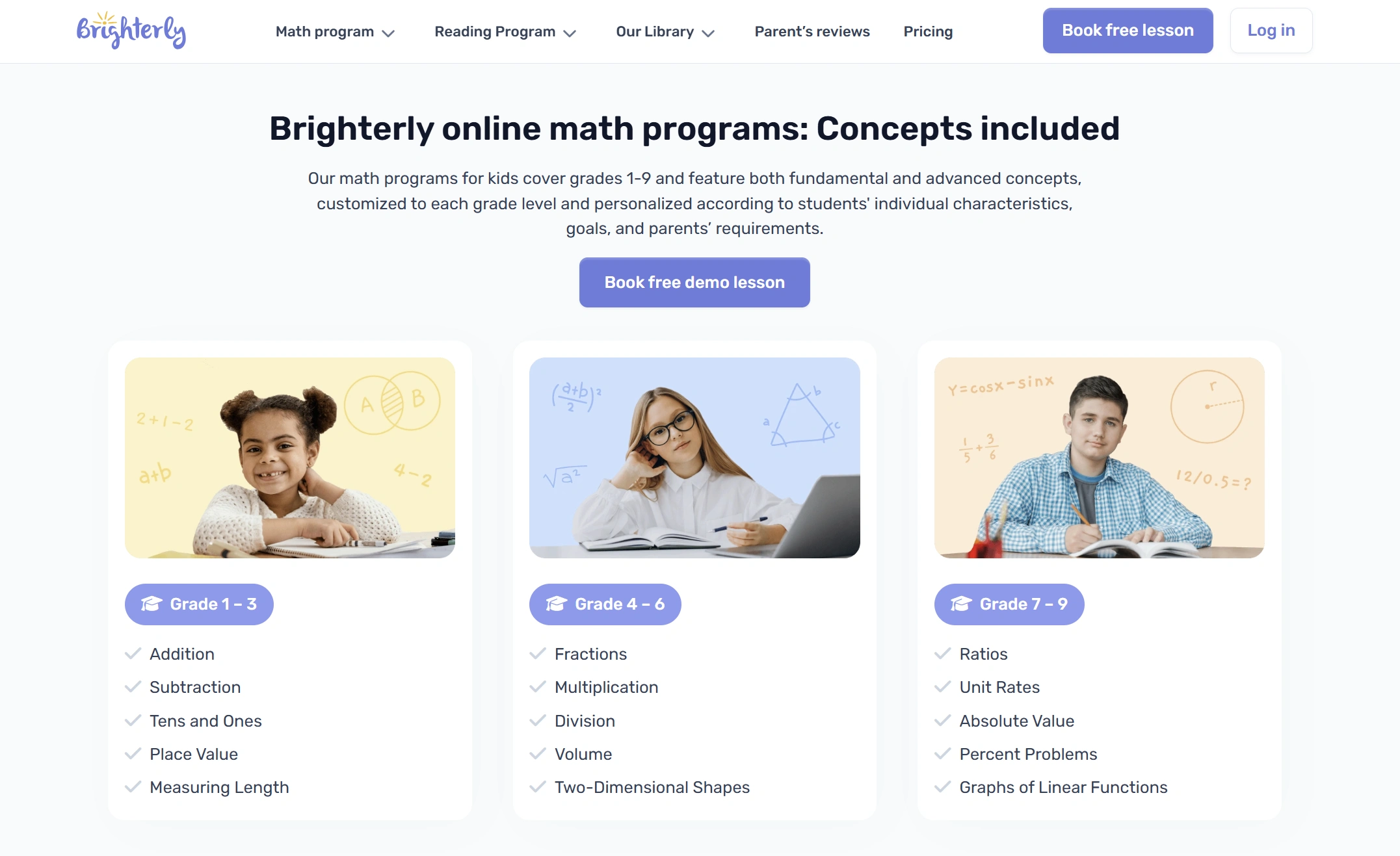
Note: The Brighterly online learning platform offers safe online tutoring in math, reading, and writing. All lessons are held 1:1 and are moderated by professional teachers trained in pedagogy.
Whether you opt for the online math program for kids or the reading program, your child will get a personalized learning plan prepared by one of our dedicated teachers. You are welcome to join as many sessions as you’d like to make sure that lessons meet the highest requirements for online security.
Pricing starts at $17.70/lesson, with an annual subscription with 2 lessons/week plus a 20% discount.
Safe, 1:1, personalized online learning!
Brighterly tutors combine teacher-led instructions with gamified practice to make lessons effective & fun. 
School-Wide Safety
24. Involve Parents In School Safety
Partnering with parents highlights the importance of school safety by creating a consistently positive environment between home and school. Clear communication helps address concerns early and develop trust.
To this end, your school should not only share safety policies with parents but also hold regular meetings and encourage them to report potential issues.
25. Adapt Safety Measures For Different Ages
Safety measures need to be adapted to students’ developmental stages to be truly effective and supportive for everyone. Smaller kids need more guidance, while older students require higher independence.
For example, your school should apply close supervision and simple rules in elementary school and transition to workshops on responsibility, conflict resolution, and online safety in middle school.
26. Use Music And Art
Music and art provide students with channels to express emotions and reduce stress. Creative activities offer opportunities for building connections for a safer emotional learning environment.
For instance, your school can hold regular art sessions and exhibit students’ paintings in the hallways.
Impact Of Safe Learning Environments
School violence affects students nationally and globally. In 2026, UNESCO reported that one-third of students worldwide get bullied, and almost the same proportion get physically attacked at least once per year. Meanwhile, UNESCO connects bullying with depression, headaches, sleep issues, and risky behaviors.
Furthermore, school violence leads to lower academic performance, slower cognitive development, more absenteeism, and higher dropout rates.
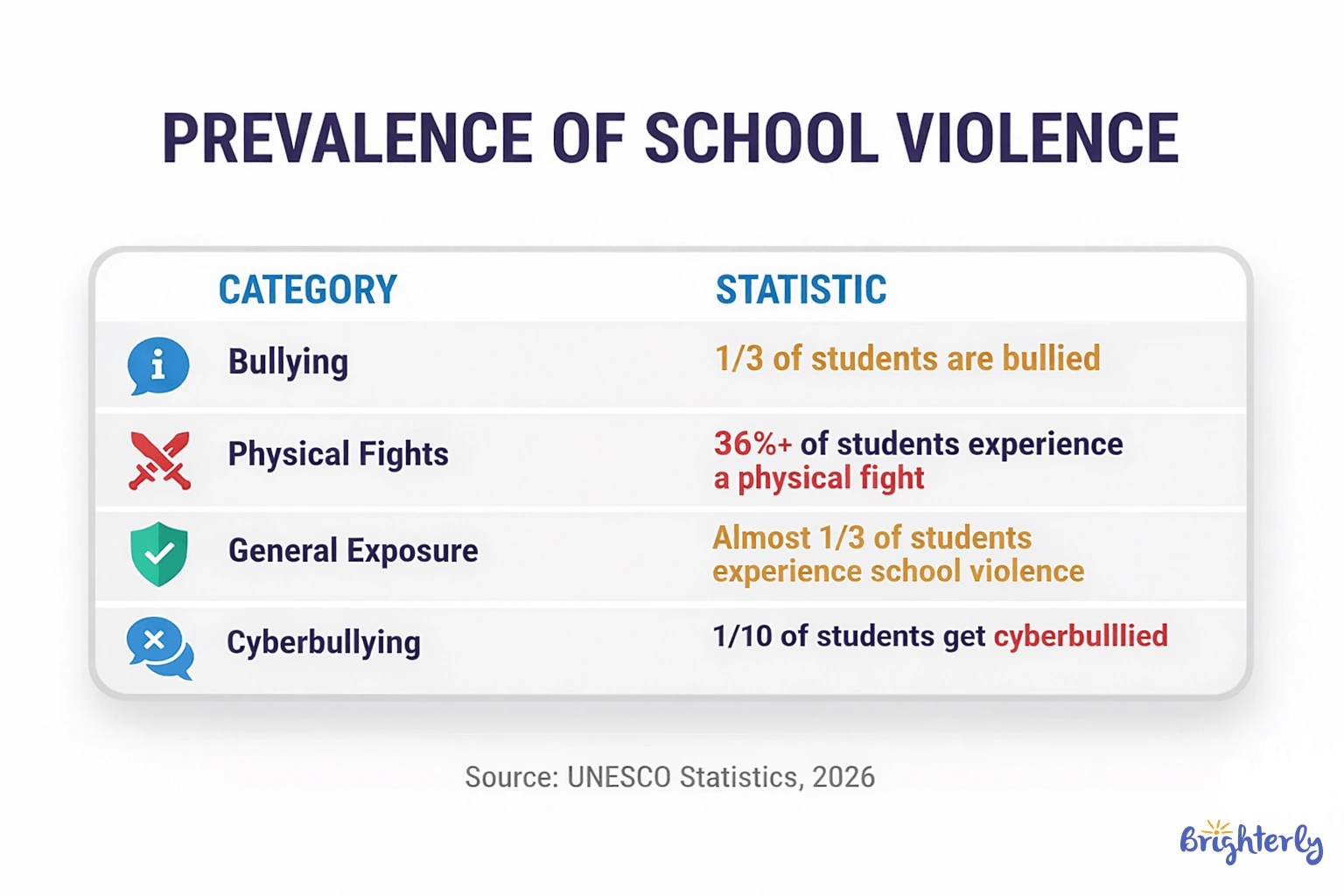
So, against this background, it becomes clear why is it important to create a safe learning environment. The right school culture and level of security have the power to reverse these negative trends and establish the conditions children need to develop academically, physically, psychologically, and emotionally.
Conclusion
These 26 strategies can help you create a safe learning environment that inspires children to focus on studying rather than on security concerns. It’s important to act on all 3 aspects of the classroom environment.
- To provide physical security, organize a clean space, supervise according to age, and have clear emergency procedures.
- To protect students psychologically, set straightforward rules and enforce them, maintain a judgment-free zone, and work on a growth mindset culture.
- To establish emotional safety, build relationships based on trust, model kindness and patience, and celebrate diversity.
If you’re looking for a safe online learning environment for grades K-12, check out Brighterly.
With Brighterly tutoring, students get access to:
✅1:1, personalized learning sessions
✅Professional math and ELA teachers who’re also trained pedagogists
✅Real-time academic and emotional support
Are you ready to test the power of 1:1 proffessional tutoring with no commitment? Book your first free lesson now.
FAQ
What Is A Safe Learning Environment?
A safe learning environment brings together physical, psychological, and emotional factors to create a space where a child feels secure and supported. It enables children to participate freely in the academic process. Such an environment removes the fears and threats that prevent a student from engaging in a meaningful educational process. Teachers, school administrators, parents, and peers all play a role in establishing this space.
What Are The Components Of A Safe Learning Environment?
The key components of a safe school environment include:
- Physical safety
- Psychological and emotional security
- Community support
- Trust among peers
- Inclusive, culturally responsive relations
- Clear expectations that are consistently implemented
- Active engagement by teachers and parents
What Are Some Examples Of A Safe Learning Environment?
Safe learning environment examples include clear rules, respectful communication, supportive teachers, and discrimination-free classrooms. Students should feel comfortable asking questions, expressing opinions, showing differences, and learning from mistakes. Physical, psychological, and emotional safety are top priorities to motivate children to actively take part in the educational process.
How To Ensure A Safe Learning Environment?
How to create a safe space in the classroom starts with setting straightforward expectations, encouraging respect, and building trust. You should inspire open communication, address tension immediately, and support diversity. It helps to establish safety check-in routines, model positive behavior, and provide emotional support. Keep parents involved throughout.
What Are The 3 Types Of Learning Environments?
The 3 types of learning environments are physical, psychological, and emotional.
- The physical environment refers to the actual space of the classroom and the tangible resources in it.
- The psychological environment relates to the level of mental security and the positive climate of the classroom.
- The emotional environment involves the feelings that students have and the relationships among students and between students and teachers.



Teaching and learning have and will continue to undergo many changes. With technological advancement, teachers have more options for incorporating interactive and engaging instructional methods that promote easy learning and student retention in their classes. One of the approaches to follow is culturally responsive teaching which helps handle the diversity of cultures and learning styles […]

Jun 03, 2022

Drill Type Target Grades Core Focus Math drills addition K – 2 Single and double-digit sum automaticity Subtraction Facts K – 2 Inverse operations and basic difference recall Math drills multiplication 3 – 5 Factors 0-12 and skip-counting patterns Division Basics 3 – 5 Understanding quotients and remainders Fractions Review 4-6 Simplifying, ordering, and […]
Jun 10, 2022
Math & reading from 1st to 12th grade
Looking for homework support for your child?
Choose kid's grade

Math & Reading for Grades 1–12
Build real confidence for your child with a Brighterly math or reading tutor.