Classroom Organization – Simple Tips to Make Your Life Easier
reviewed by Maila Caliao
Updated on September 21, 2026

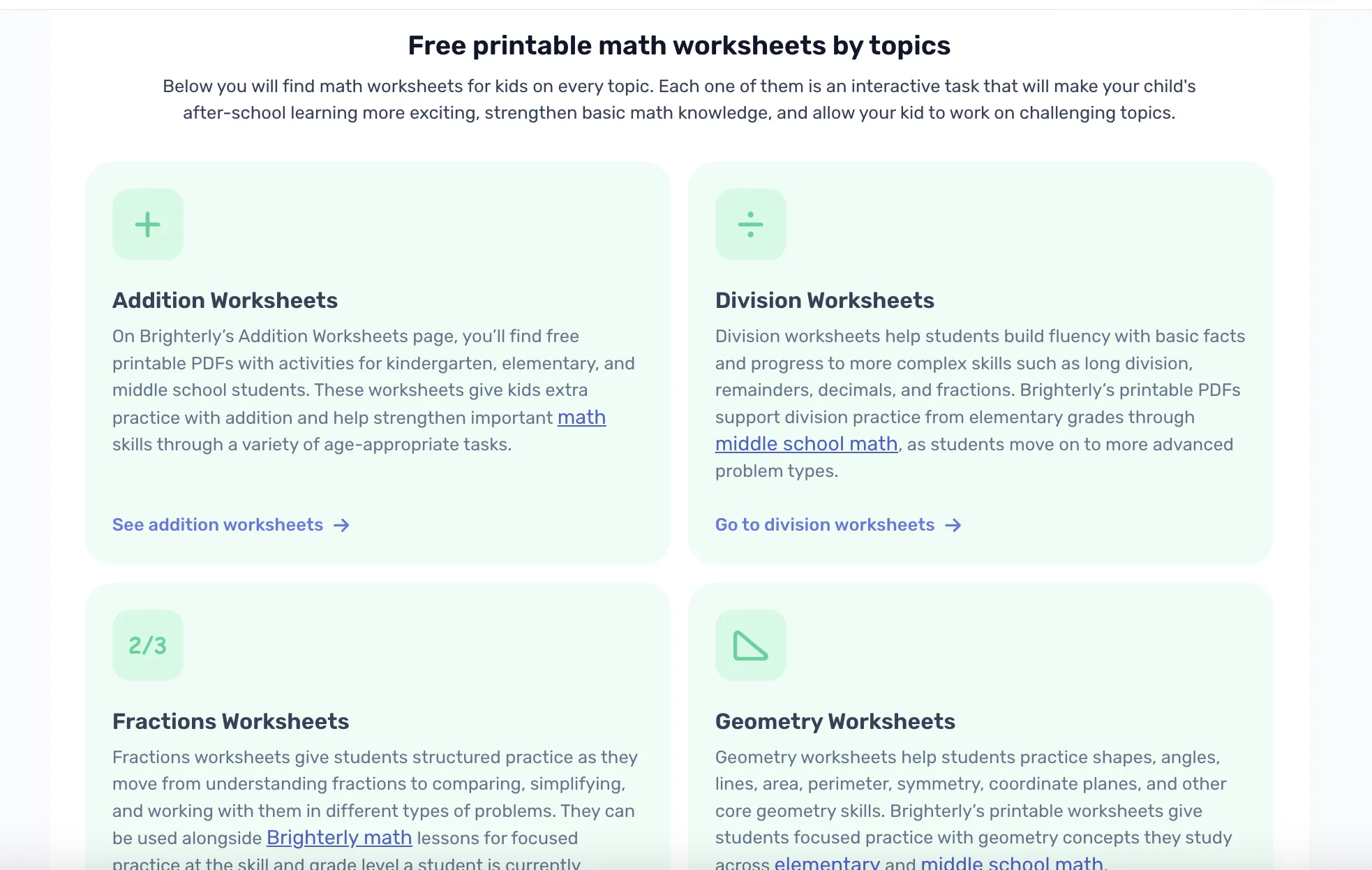
Key Points Have you ever felt overwhelmed with chalk pieces, worksheets, books, pens, and pencils at random places at the end of the class? If yes, you know how exhausting it can be to sort them all out every day. If you can’t take it anymore and seek simple classroom organization tips on how to organize a classroom, you’re in the right place. This time, you will discover 19 classroom organization ideas to keep the classroom clean and ordered and reduce visual noise. You will also learn to store classroom supplies properly and encourage kids to clean up after themselves. Good teacher organization saves time, lowers stress, and keeps an organized classroom running smoothly. How often do you walk to your cabinet and shuffle papers to pick those you need for the upcoming class? If searching for worksheets and copybooks takes minutes, it’s time for a change. You can use transparent bins to store books and learning resources for different classes. Classify and label them accordingly to find what you need quickly. For instance, you can sort worksheets by grade – 1st, 2nd, 3rd, etc. The same goes for books and other papers. Assign each bin for a particular type of learning materials: As soon as you say: “Open your books on page 67,” intensified paper rustling ripples your classroom. Tom has already found this page, while Katie is still flipping the book. You can reduce this time-eating step by asking kids to attach ribbon bookmarks on their books. Or, you can make those by yourself. Why do this? It’s pretty simple – a ribbon bookmark attached to the book will always be there, and a little student won’t lose it. Instead, they will always have a convenient bookmark at hand to open their books on the necessary page. Teachers often use worksheets to explain math topics and provide students with practice exercises. While worksheets are fun, printing single-use papers all the time is not the same If you laminate your worksheets, you’re a genius. If you don’t, take a closer look at why this classroom organization idea will help you save dozens of hours: Buy erasable markers and hand them to your children when you need them to work on worksheets to make these learning resources fully reusable. Once your kids finish the exercises, clean up the worksheets and put them in your worksheets’ storage bin. Pens, markers, chalks, pencils, scissors, glue sticks, erasers, and rulers – you may find them at random places at the end of the class, especially if you store them all in a single desk sorter. You can optimize classroom supplies’ organization by sorting and labeling the items by type. Dedicate a separate container for each type of item and label it accordingly. As a result, you will have containers for pens, pencils, markers, etc. Why do this? It will help you find necessary supplies by throwing a glimpse at the containers. Plus, you can ask children to put classroom supplies in their containers after kids use them. In this way, you will have all those markers in the right place at the end of the class. Even if you have a dedicated place to store cardboard, you can make it more organized than ever if you sort paper and cardboard sheets by color. This tip will especially come in handy for preschool classroom organization. Why do this? You (and preschoolers) will find cardboard of the necessary color much quicker than if you leave different pieces laying one on one in the cabinet. Just imagine: you are pulling the drawers one after another, trying to recall where you left those division worksheets last time. Now imagine the opposite: you approach a book display and see counting-dedicated copybooks and worksheets on the upper shelf. Then, you see long-division resources resting on the bottom shelf. You pick the ones you need in a couple of seconds. Another helpful piece of advice is to organize learning materials by the topic. It will also save time on searching for things. Looking for worksheets to organize and reuse in your classroom? Explore Brighterly’s printable math worksheets by grade and topic. Every teacher would love a well-organized cabinet or closet to find things quickly. The good news is that you can do so by investing minimal money. You can sort items in your closet by topic using bins, smaller containers, and organizers. Just follow the #6 tip – dedicate each drawer/cabinet to a different kind of teaching supplies. It might be better than a book display with filled bins as a well-organized teacher’s closet reduces visual noise. Students and teachers take part in the learning process equally. Consequently, it will be safe to assume that they should take an equal part in keeping the classroom clean. How do you make students clean the classroom? You can make an improvised “job board” for kids – a to-do list of chores: You can incentivize kids with extra “classroom duties” points to help you clean the premise. Whether you use laminated worksheets or not, you may not go without some printables. Ideally, all your students are present in the class, and you hand assignments to each of them. But when someone is absent, where do you get unused printables? You can use a special bin to store assignments for absent students. Headphones or earbuds reduce noise and promote better focus in students. But storing them might be another headache. What about hooks for earbuds and bins for headphones? Here are a couple more ideas: As a teacher, you have to check dozens of copies, workbooks, and worksheets. If you feel uneasy finding unchecked assignments or keeping track of checked ones, store them in different bins: Doing so will help you manage students’ assignments faster, reducing time to find the ones you need or search for a place to store them. Kindergartners love playing, and you will need extra stuff like crayons, markers, and colorful cardboard sheets to entertain them. However, you may find it exhausting and time-consuming to walk through the entire classroom to pick up crayons and return them to your desk. One way to overcome the issue is by storing the most usable supplies beside you. But if this scenario plays out, you might end up surrounded by too much stuff. A smarter way to manage your stuff is to use a teacher’s cart. You can load this device with the most frequently used items. You can reduce extra preparations for each class if you collect all copies and learning resources for the current week in one place. Let this place be a five-drawer cabinet or five separate plastic bins. Label them from Monday to Friday, and you’re good to go. Prepare for the upcoming week at the end of the current one. Once you come to school on Monday, you can open the drawer/plastic bin and pull the required teaching materials without hassle. You might sort books by topic in separate bins. But you risk mixing them anyway as you will eventually forget which book comes in which bin. You can overcome this problem by using a numbering system. Here is how it works: In this way, you will never confuse books. You can also store crayons, markers, and colored pencils in mason jars. Just sort them by color, and you will get eye-pleasing storage for your class supplies. Why do this? First and foremost, it’s convenient – you don’t need to search for desired markers as you can see all of them waiting for you behind the shiny glass. Second, these crayon-filled mason jars add an aesthetic look and personality to your classroom. Do your students use iPads? It’s an excellent chance to keep the devices organized in a dedicated place – be it a shelf in your cabinet or a few plastic bins next to the charging rack. The approach will help your students manage these gadgets – they will have a special place to put them in at the end of the class.
Help your child reach their full potential!
Answer a few quick questions about your child’s learning, and we’ll recommend next steps. Before this point, we focused on storage organization to save time on finding things and keeping them in the right places. Now, it’s high time to talk about class participation and performance. Traditionally, students raise their hands to answer questions. Yet, raising hands might not be the best option for all students. Some are shy, while others keep their hands raised all the time. As a result, the most active students earn higher grades, participate in classroom activities, and learn the studied topics. On the contrary, the shiest students underperform. You can make everyone participate equally by using popsicle sticks or stickers. Here is how it works: As a result, all students will have an equal chance to participate in the class and earn good grades no matter how shy they are. Moreover, this method will encourage all students to prepare for the class better. Underperforming kids won’t have a chance to hang back, while the most active students will do their job. How often do you yell to get students’ attention? Even if you strain your vocal cords two times per class, you will risk wheezing instead of speaking at the end of the day. You can avoid this problem and quickly get students’ attention with a simple doorbell or a special attention bell. No need to raise your voice anymore – you press the button, and soon the classroom fills with silence. While a teacher’s cart is an excellent tool to move within the classroom, you might need a lighter companion, too. If you go one floor down and one floor up pretty often, you might need a teacher’s backpack. It’s more convenient to carry your items than in a usual bag – you can get your hands free and carry extra stuff. Note: A well-organized classroom goes hand in hand with strong classroom management strategies and clear classroom rules — together they keep the room calm and focused. Explore Brighterly Learning Experience Learn exactly how Brighterly helps students thrive through expert sessions, online tools, and proven feedback from thousands of satisfied parents As a teacher, you spend a substantial portion of your day in the classroom, and it’s a good chance to organize this place to your liking. Making things easy to navigate and access is the cornerstone of classroom organization. You can implement the tips from this post if you like them. Or, you might come up with better ideas yourself. The main thing is not to be afraid or shy about personalizing your classroom. Your future self will thank you a lot for keeping things where you want them to be. And if you enjoy working with kids and want a flexible way to teach beyond your own classroom, you can become an online tutor with Brighterly and teach math or reading from home on your own schedule. Start by giving commonly used materials a dedicated place. Use labeled bins, containers, drawers, and shelves to organize supplies, worksheets, and books by type, grade, topic, or day of the week. This makes materials easier to find and return after use. Sort supplies such as pencils, pens, markers, scissors, glue sticks, and rulers into separate labeled containers. You can also ask students to return each item to its designated container after use. You can use plastic bins, mason jars, hooks, zip bags, ribbons, and simple labels to organize classroom materials without making major changes to the room. Numbering books and matching them to numbered bins is another simple system that can help keep a classroom library organized. Teachers can create a classroom job board with tasks such as cleaning the chalkboard, sorting stationery, or helping keep shared areas tidy. Students can also be taught to return supplies and devices to their designated storage areas after use. Prepare learning materials in advance and store them in five separate drawers or bins labeled Monday through Friday. Keeping each day’s worksheets and resources together can reduce daily preparation time. A well-organized classroom helps teachers find materials faster, reduce unnecessary clutter, and spend less time maintaining order. Clear storage systems and routines can also make it easier for students to understand where things belong and participate in keeping the classroom organized. The beginning of the kindergarten stage in a child’s life is a significant change both for kids and their parents. In most cases, kids are anxious about going to school, which is natural. To ease your child’s anxiety because of their first day at school, you can use the kindergarten preparation checklist below. Tips you […] May 25, 2022 When a student finds new material hard, the teacher’s guided support is what helps them first understand it, then apply it independently. This is what scaffolding in education is: the ladder set by a teacher allowing them to go on the next level. From this guide, you will learn how scaffolding works, get effective strategies, […] May 31, 2022
Classroom Organization Ideas for Teachers
#1 Get Classroom Organization Bins
#2 Use Ribbons for Notebooks: Elementary Classroom Organization
#3 Laminate Your Worksheets: Classroom Organization Hacks
#4 Tips and Tricks of Classroom Organization: Supplies
#5 Sort Paper and Cardboard by Color: Preschool Classroom Organization Ideas
#6 Store Learning Materials by the Topic
#7 Improve Classroom Closet Organization
#8 Involve Kids
#9 Store Assignments for Absent Students in a Bin
#10 Dedicate Convenient Storage for Earbuds/Headphones
#11 Use a Dedicated Bin for Unchecked Copies
#12 Use a Teacher’s Cart: Kindergarten Classroom Organization Ideas
#13 Store Materials for the Week in One Spot
#14 Use a Numbering System: Classroom Library Organization Ideas
#15 Store Supplies in Mason Jars: DIY Classroom Organization Ideas
#16 Get Bins for Kids’ iPads


#17 Use Stickers or Popsicle Sticks for Class Organization
#18 Use Bells to Get Student’s Attention
#19 Get a Teacher’s Backpack
The Final Word
Frequently Asked Questions
How do you organize a classroom effectively?
How can I organize classroom supplies?
What are some inexpensive classroom organization ideas?
How can teachers get students involved in classroom organization?
How can teachers organize materials for the school week?
Why is classroom organization important?





Math & reading from 1st to 12th grade
Looking for homework support for your child?

Choose kid's grade

Math & Reading for Grades 1–12
Build real confidence for your child with a Brighterly math or reading tutor.