40 Basic Classroom Rules For Kids
reviewed by Franz Jerby Delos Santos
Updated on September 21, 2026
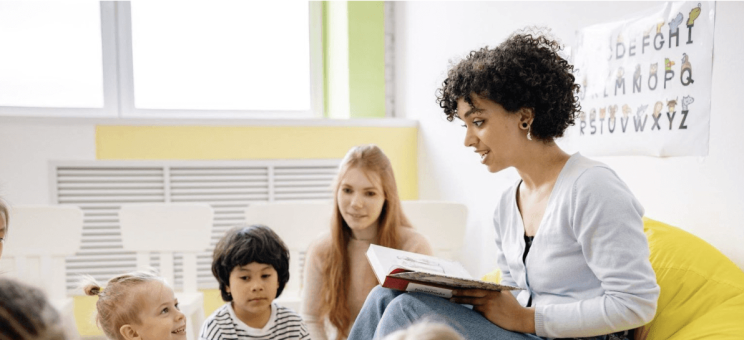
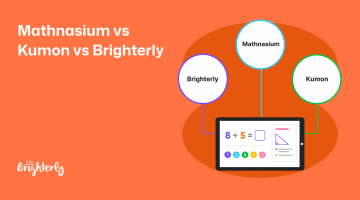
Key Points If you have ever tried to explain any subject to a kid (or a group of kids), you know that keeping their attention can be difficult. They’re looking the other way, distracted by their phones, and losing focus. For any educator (or a parent), basic classroom rules for kids are in order. This guide walks through the best classroom rules and expectations to keep children focused, engaged, and ready to learn, from kindergarten to high school. Good classroom rules are simple rules. They are consistent and ethical, focused on respect, participation, and curiosity. School rules for kids are supposed to guide students to listen, stay on track, and treat classmates and the teacher kindly, but not restrict their creativity or self-expression. Note: Even the best rules work better when they’re supported by positive reinforcement and an encouraging learning environment. Explore Brighterly Learning Experience Learn exactly how Brighterly helps students thrive through expert sessions, online tools, and proven feedback from thousands of satisfied parents When creating classroom rules for kindergarten, you have to use language kids understand, so simple language is a must. These kindergarten classroom rules give young learners a clear, friendly starting point. Note: Having a clear, effective classroom rules list for kindergarten is like setting boundaries of a game. They provide structure that kids can understand and follow, and create an efficient environment for learning, exploring, and managing the class. Now, let’s explore elementary classroom rules examples. Elementary is a step up from preschool, and even though the classroom rule ideas stay almost the same, expectations become higher and stricter as kids grow older and become more conscious. These elementary classroom rules also work well for 1st, 2nd, and 3rd graders, with wording adjusted to each age. Note: Classroom rules for elementary school establish and enforce a stable and predictable atmosphere, allowing students and teachers to focus on teaching. Classroom rules for 1st grade help children build good habits, develop respect for one another, and make the classroom a safe space for everyone. Our society is built on rules. They create order, promote fairness, and help communities function smoothly. Middle school classroom rules and expectations are just as important as those that guide the words outside the classroom. Note: Middle school is when kids should pay special attention to mutual respect — towards their educators and peers. Once kids get to high school, everyone expects them to be more mature, not needing a single classroom rule. But you’d be surprised to learn that you’d need more stringent classroom rules in some cases. Without classroom rules for high school, every day would be a potential minefield of distractions, making it almost impossible to get through a lesson without misbehavior and distractions. Note: What’s most important for high schoolers is collaboration and participation. These learning elements improve their social skills, and teach them to communicate more effectively, expressing their thoughts in a logical way. In a special education classroom, rules work best when they are concrete, visual, and consistent. Since students may have a range of needs, the goal is clarity and predictability rather than a long list. Note: Visual supports and consistent routines help every learner, but they are especially important in a special education setting. Don’t get mistaken that writing classroom rules is an easy task. In fact, compiling your list requires knowing general recommendations, plus accounting for the specificities of your classroom. Creating classroom rules with students also helps, since shared ownership makes them more likely to stick. To achieve the best results, please try to follow these rules. Following rules that are too strict is not pleasant. If you’re an educator, you know that there is such a thing as being too strict when setting basic classroom rules for elementary and beyond. And with kids with behavioral issues, these, plus subtle threads, won’t do much. For example, some classroom rules for elementary and middle school may include punishments. However, some kids simply won’t respond to these. Similarly, with older students in high school, you’ll find that tension in the classroom is something they find funny and amusing. Alternatively, you can’t be too flexible and let anything go in your class. Your job as a teacher is to mold children into decent adults who are able to live in society. One way to do that is to strike a balance between strict rules and flexibility. When you are laying out classroom rules 3rd grade (and any grades), you must ensure that you are using positive language. You are not just a teacher; you are an example to them. So, if you’re giving rules about how they should speak to each other and you’re using negative language, it is almost antithetical. No matter how frustrated you are or how serious you want to sound, you must always maintain a positive tone. When you’re giving out rules for a classroom, there should be no ambiguity for your students. In other words, a lot of things can be lost in translation. Some students may claim they did not understand the rules, even if you laid them out correctly. To make your rules more understandable, use clear English, simple words, and familiar vocabulary. If you have some visuals, add them to convey the message. This way, your students will confidently say, “We stand by our classroom rules.” People, especially children, tend to forget things. The first time you say it, the second time you send it, and maybe even the third time you say it, they can claim they didn’t remember. You can’t force them to change their minds. However, you can keep your positive classroom rules in a place where everybody can access and see them. That way, they can’t claim they didn’t remember; they definitely can’t say they didn’t see it. Place it where, every time they enter the classroom or glance up from their books, it’s a constant fixture. Make it so prevalent that there are no excuses. It can be easy to overcomplicate things when giving examples of classroom rules, but as a teacher, you need to make a conscious effort to simplify your classroom rules down to the minutest detail. When giving classroom rules, use language kids understand. If they ask you more than two times to explain what you’ve said, it might be too complex. Break it down further. The goal is for the kids to understand and adhere to these rules. If the rules are too complex, they won’t adhere to them, causing problems in class. For more strategies on setting expectations and running a focused class, see our guide to classroom management strategies. To create a positive classroom, safety and respect count. One classroom rule says: Respect everyone’s opinion and personal space. When students know what behavior is acceptable and what isn’t, they feel more secure and supported. Believe it or not, clear rules protect students from bullying, disruption, and emotionally unsafe situations. A safe classroom allows students to express themselves without fear of judgment and encourages them to participate, ask questions, and share ideas. When the environment is predictable, children thrive. Classroom rules give kids a sense of order and stability, allowing them to understand what to expect day-to-day. The structure that comes with classroom rules and expectations reduces anxiety, supports concentration, and makes lessons run smoothly. Personal responsibility is one of the most valuable lessons students can learn in school. When they follow agreed-upon guidelines, children realize their choices have consequences, both positive and negative. Once students take ownership, they learn how their behavior affects others. Classrooms without clear rules can become chaotic. This is why educators implement clear rules to set boundaries and minimize distractions, so kids can focus on the subject at hand. Once everyone is on the same page regarding how to behave and what to expect, lessons flow smoothly and time is used more effectively. The best classroom rules don’t just manage behavior. They help shape how the classroom is approaching learning and create a positive atmosphere. Rules emphasize respect, teamwork, and kindness, so that students can internalize these values and express them openly in the world. Clear, positive rules matter just as much in online lessons as in a physical classroom. Brighterly’s math and reading platform works with students in grades 1–9 and brings the same principles of respect, participation, and curiosity into 1:1 online tutoring. Its virtual classrooms follow clear, engaging rules that help kids focus, enjoy learning, and build confidence. Brighterly’s pricing starts at $17.70 per lesson with a 12-month membership and 3+ weekly lessons, compared to the US average of $40–$80. Classroom rules and expectations are an important staple of education. They help create those positive experiences, make the learning effective, internalize the right values, and promote discipline. Both teachers and students benefit from these rules, and it certainly boosts kids’ performance in school. Brighterly follows the same principles in its online math and reading lessons. By setting clear, simple, and effective virtual classroom rules, the platform helps kids focus, build confidence, and improve their skills to succeed in school and beyond. Book free lesson to power up your kid’s learning experience! Love working with kids and know how to keep a class focused? You can put those skills to work from home — become an online tutor with Brighterly and teach math or reading on your own schedule. Learning geometry in 2nd grade becomes easier and more exciting when it’s done through play. Geometry games for 2nd grade help children explore shapes, angles, and symmetry while building logic and creativity. Whether played online, in the classroom, or at home, these fun geometry activities make math feel natural and joyful for every young learner. […] Aug 25, 2023 Based on a Mathnasium vs Kumon vs Brighterly overview, Mathnasium deploys a small-group teaching model to help students make sense of math. Kumon relies on repetition-based drills to build computational skills and speed, while Brighterly uses 1:1 personalized instruction and game-based practice to develop comprehension. Mathnasium vs Kumon vs Brighterly: Comparison *Information verified as of […] Dec 18, 2023
What Are Some Good Classroom Rules?
Rules for Kindergarten Class
Classroom Rules for Elementary Students
Top 10 Classroom Rules for Middle School
Classroom Rules for High School
Special Education Classroom Rules
Classroom Rules Guide: How to Build the Perfect Set
Balancing strictness and flexibility
Using positive language in rules
Making rules understandable and clear
Keeping rules accessible and visible
Avoiding over-complication
Why Are Classroom Rules Important?
They create a safe and respectful environment
They build consistency and structure
They teach responsibility and accountability
They support better learning and engagement
They promote a positive classroom culture
Bring Positive Classroom Rules Into Online Learning
Conclusion



Math & reading from 1st to 12th grade
Looking for homework support for your child?

Choose kid's grade

Math & Reading for Grades 1–12
Build real confidence for your child with a Brighterly math or reading tutor.